
Recovery
Top 9 Best Electrolyte Supplements in 2026 for Hydration, Sport & Daily Health
Proper hydration is essential for performance, recovery, and overall health. Whether you're training for a marathon, working out at the gym, or simply trying to stay hydrated throughout the day, choosing the best electrolyte supplement in 2026 can make a noticeable difference. Electrolytes like sodium, potassium, magnesium, and calcium help regulate fluid balance, support muscle contractions, and maintain nerve function. When you sweat during exercise or lose fluids through heat, these minerals must be replaced to prevent dehydration, fatigue, and muscle cramps. Today’s sports hydration market includes a wide range of products, from zero sugar electrolyte powders for keto diets, to high-performance drink mixes for endurance athletes, to clean daily hydration formulas with natural ingredients. In this guide, we’ve ranked the top electrolyte supplements in 2026, grouped into three key categories: Best Zero Sugar Electrolytes Best Electrolytes for Endurance & Sport Best Electrolytes for Daily Hydration Browse while you read by exploring our Electrolyte Supplement Collection. Quick Picks: Top Electrolytes for Different Needs If you’re looking for the right hydration formula quickly, here are our top picks based on different training goals and hydration needs. Keto and low-carb diets → Nothing Naughty Low Carb Hydration Powder Sugar-free → Elyte Hydration Powder Sachets Heavy sweating and hot climates → Precision Hydration PH 1000 Electrolyte Drink Mix Endurance racing and high-carb fueling → PURE Performance+ Race Fuel Electrolyte Drink Mix General endurance training and racing → SiS Go Electrolyte 1.6kg Convenient hydration tablets → SiS Hydro Tablets Natural electrolyte drink mix → Skratch Labs Hydration Sport Drink Mix Everyday moderate exercise and general electrolyte support → Clean Nutrition Electrolyte Hydration Hydration + other health benefits → Dr Hydrate All-In-One Hydration Formula How Electrolyte Supplements Work Electrolytes: Electrolytes are charged minerals like sodium, potassium, magnesium, calcium, and chloride that regulate fluid balance, nerve signalling, muscle contractions, and heart rhythm. When you sweat during training, you primarily lose sodium and chloride, with smaller losses of potassium and magnesium. If you replace fluid without replacing sodium, hydration efficiency can decline, which may lead to fatigue, reduced performance, and headaches after exercise. Carbohydrates: Many electrolyte hydration formulas include a small amount of carbohydrate, which helps transport sodium and water across the intestinal wall through the sodium–glucose transport mechanism (SGLT1). This improves fluid absorption compared with water or electrolytes alone, which is why many sports hydration drinks combine carbohydrates with electrolytes during longer workouts and races. However, more carbohydrates isn’t necessarily better. Learn more in our guide: The Overlooked Ingredient in Electrolyte Drinks That Changes How Fast You Hydrate Understanding electrolyte balance helps you choose the right hydration strategy based on your training, sweat rate, and environment. For a deeper breakdown of hydration science and how electrolyte formulas differ, read our full guide: Electrolyte Supplements Explained: Benefits, Science & How to Choose the Right Formula. Best Electrolyte Supplements for Endurance & Sport Athletes training for running, cycling, triathlon, or endurance sports often require electrolyte supplements that combine hydration with carbohydrate fueling. These sports drink mixes help maintain energy levels, electrolyte balance, and performance during long workouts or races. PURE Performance+ Race Fuel Electrolyte Drink Mix Best for: High-carb endurance fuelling and gut training Key Stats (Per 450ml Serve)90g Carbs | 651mg Sodium | HASTA tested PURE Performance+ Race Fuel Electrolyte Drink Mix is designed for endurance athletes who need to sustain high carbohydrate intake during long training sessions and races. Unlike most hydration supplements that primarily focus on electrolytes with minimal-to-moderate carbohydrates, Race Fuel delivers a large carbohydrate load alongside electrolytes. This allows it to function as a primary fuel source when gels or solid foods are impractical, helping athletes meet aggressive fuelling targets through fluid alone. Why it stands out Single sachets and large bags available Cluster Dextrin™ for rapid digestion and steady energy High electrolyte content Unflavoured options to reduce flavour fatigue Can be used as a sole source of fuel during long efforts HASTA certified and made in New Zealand Shop PURE Performance+ Race Fuel SiS Go Electrolyte 1.6kg Best for: Balanced hydration and carbohydrate intake during endurance exercise Key Stats (Per 500ml Serve)36g carbs | 500mg Sodium | Informed Sport tested SiS GO Electrolyte uses an isotonic formula that sits between hypotonic hydration drinks and high-carbohydrate fuels. This balance allows athletes to take in a useful amount of carbohydrate while maintaining steady fluid absorption, helping reduce the risk of stomach discomfort that can occur with more concentrated drinks. Its carbohydrate source is primarily maltodextrin, known for quick digestion and steady energy delivery. Why it stands out Easy to drink over long sessions without feeling heavy Primarily maltodextrin-based for fast, easily digested energy High sodium content to support hydration and fluid balance Shop SiS Go Electrolyte 1.6kg Precision Hydration PH 1000 Electrolyte Drink Mix Best for: Heavy sweaters, hot climates, high-sodium hydration Key Stats (Per 500ml Serve)500mg Sodium | 16.5g Carbs | Informed Sport tested Precision Hydration PH 1000 Electrolyte Drink Mix is designed for athletes who lose large amounts of sodium through sweat, particularly during training or racing in hot or humid environments. With 1,000mg of sodium per litre when mixed as directed, it provides a significantly stronger electrolyte concentration than many standard hydration drinks. The formula also includes a light 3% carbohydrate concentration, helping support fluid absorption. Why it stands out Available in sachets for easy mixing during training or racing 1,000mg sodium per litre to replace electrolytes lost through heavy sweating Hypotonic 3% carbohydrate formula supports efficient fluid absorption Designed for athletes training in hot climates or high sweat conditions Mild citrus flavour helps reduce flavour fatigue during long sessions Informed Sport tested for quality and athlete confidence Shop Precision Hydration PH 1000 Electrolyte Drink Mix Best Zero Sugar Electrolyte Supplements Zero sugar electrolyte supplements are ideal for people following keto, low-carb, or fasting diets, or athletes who want higher electrolyte intake without over-doing carbohydrate intake. These electrolyte drink mixes focus on delivering high sodium and mineral content without sugar, making them popular for fasted training, hot weather workouts, and heavy sweating. Elyte Hydration Powder Sachets Best for: Daily hydration, heavy sweating, zero-sugar electrolyte replenishment Key Stats (Per 500-1100ml Serve) 1000mg sodium | 500mg potassium | Zero sugar ELYTE Hydration is a zero-sugar electrolyte drink designed to support hydration and electrolyte balance without added carbohydrates, making it suitable for daily hydration, fasted training, or low-carb nutrition strategies. Why it stands out Convenient single serve sachets Balanced electrolyte blend to support fluid balance and muscle function Helps replenish salts lost through sweat and daily activity Clean ingredient profile with natural flavours and stevia Suitable for low-carb, keto, or fasted training approaches Shop ELYTE Hydration Electrolyte Drink Mix SiS Hydro Tablets Best for: Low-calorie hydration, hot conditions, shorter training sessions Key Stats (Per 500ml Serve) 870mg sodium | <0.5g sugar | Informed Sport tested SiS Hydro Tablets are designed for hydration-first electrolyte support without added carbohydrates, making them useful when electrolyte balance is the priority rather than energy intake. The tablets dissolve easily in water to deliver a light, refreshing electrolyte drink suited to shorter workouts or hot conditions. Why it stands out Effervescent tablet format for convenient on-the-go hydration Formulated with a scientifically proven sodium concentration (30mmol/L) Originally developed for the British Sailing Team to compete at the 2008 Beijing Olympics Optional caffeine flavours Formulated to support fluid retention and sweat replacement Light taste that’s easy to drink during exercise Shop SiS Hydro Tablets Nothing Naughty Low Carb Hydration Best for: Low-carb lifestyles, everyday hydration, light activity Key Stats (Per 200ml Serve) 80mg Sodium | 93mg Potassium | Zero sugar Nothing Naughty Low Carb Hydration Powder is designed for sugar-free hydration with a more potassium-balanced electrolyte profile. Compared with many sports hydration formulas that prioritise high sodium for sweat replacement, this mix provides a potassium-forward balance. This can be particularly useful on low-carb or ketogenic diets, where restricting fruits and starchy vegetables often reduces dietary potassium intake. Why it stands out Potassium-dominant electrolyte profile Naturally sweetened with erythritol and thaumatin Keto-friendly and gluten free Made in New Zealand Shop Nothing Naughty Low Carb Hydration Powder Best Electrolytes for Daily Hydration Not everyone needs high-dose sports hydration formula. Many people simply want a clean electrolyte supplement for everyday hydration. These options are ideal for day-to-day training, general wellness, light workouts, travel hydration, and hot climates. Clean Nutrition Electrolyte Hydration Best for: Everyday hydration, light training, hot climates Key Stats (Per 200ml Serve) 10.8g carbs | 56mg Sodium | 68 mg Potassium Clean Nutrition Electrolyte Hydration Powder is formulated as a hypotonic electrolyte drink, combining a light carbohydrate concentration with key electrolytes to support efficient fluid absorption. While it isn’t as high in electrolytes as some performance-focused hydration formulas, this lighter profile can still support everyday hydration or lighter training, where sweat losses are typically lower. It also provides more potassium than sodium, making it better suited to general electrolyte balance rather than high-sweat endurance replacement. Why it stands out Hypotonic formula designed for faster fluid absorption Supports daily energy levels Electrolytes including sodium, potassium, magnesium, and calcium Naturally flavoured Made in New Zealand Shop Clean Nutrition Electrolyte Hydration Powder Skratch Labs Sport Hydration Mix Best for: Daily training, endurance workouts, light race fueling Key Stats (Per 350-500ml Serve) ~380mg sodium | ~20g carbohydrates | Low-osmolality formula Skratch Labs Sport Hydration Mix is supports consistent hydration during everyday training, with a light carbohydrate and electrolyte balance that’s easy to drink session after session. It uses real fruit flavouring instead of artificial sweeteners, helping keep the drink light and palatable during longer workouts. While gentle enough for daily use, the combination of sodium and simple carbohydrates can also support hydration and steady energy during longer races or endurance efforts. Why it stands out Supports hydration during everyday training and general activity Provides light carbohydrate energy without the heaviness of high-carb drinks Helps replace electrolytes lost through sweat Low-osmolality formula supports fluid absorption and gut comfort Real fruit ingredients help reduce flavour fatigue Shop Skratch Labs Hydration Mix Dr Hydrate All-In-One Hydration Formula Best for: Daily wellness hydration, recovery support, nutrient-rich hydration Key Stats (Per 600-700ml Serve) 2.5g carbs | 210mg sodium | HASTA tested Dr. Hydrate takes a more comprehensive approach to hydration, combining electrolytes with vitamins, minerals, amino acids, and probiotics. This makes it highly suitable as a daily wellness hydration drink, supporting recovery, metabolism, and general health alongside fluid balance. Why it stands out Available in sachets and jar Combines electrolytes with amino acids to support recovery and muscle function Includes B vitamins and trace minerals for metabolic and energy support Contains probiotics to support digestion and nutrient absorption Sugar-free formula, suitable for keto and low carb diets Designed as an all-in-one hydration and wellness supplement Shop Dr. Hydrate Other Electrolyte Supplements Worth Considering While the supplements above are among the best electrolyte powders and drink mixes in 2026, several other hydration products are also worth mentioning depending on your needs. Other highly-rated electrolyte options are: PURE Electrolyte Hydration 500g - Natural, NZ made formula to support endurance Switch Nutrition Hydrate Sugar-Free Electrolytes - Electrolytes + taurine and CoffeeBerry™ for an energy boost Horleys Replace Hydration 1.6kg - Cost effective, reliable endurance formula Each of these products offers a slightly different balance of electrolytes, carbohydrates, and convenience. Conclusion: Choosing the Best Electrolyte Supplement in 2026 The best electrolyte supplement ultimately depends on how you train, how much you sweat, and what your hydration goals are. Endurance athletes training for marathons, triathlons, or long cycling sessions often benefit from hydration formulas that combine electrolytes with carbohydrates to support both fluid absorption and sustained energy. Products like Precision Fuel & Hydration, PURE Race Fuel, and SiS GO Electrolyte are designed for this balance. For those following low-carb or ketogenic diets, or training in a fasted state, zero sugar electrolyte supplements help maintain electrolyte balance without adding carbohydrates. Options like ELYTE Hydration, SiS Hydro Tablets, and Nothing Naughty Low Carb Hydration focus on delivering key minerals without sugar. If your goal is everyday hydration, lighter electrolyte drinks such as Clean Nutrition Electrolyte Hydration, Skratch Labs Sport Hydration Mix, or Dr Hydrate can support fluid balance during regular training, hot weather, or daily activity. Hydration needs can vary widely between individuals. Factors like training duration, sweat rate, climate, and diet all influence how much sodium and other electrolytes you may need. Choosing a formula that matches your training style and hydration needs can help support consistent performance, better recovery, and more effective fluid balance. If you're still unsure which products are right for you, explore our full Electrolyte Supplement Collection, contact us for advice, or read our guide: Electrolyte Supplements Explained: Benefits, Science & How to Choose the Right Formula.Read More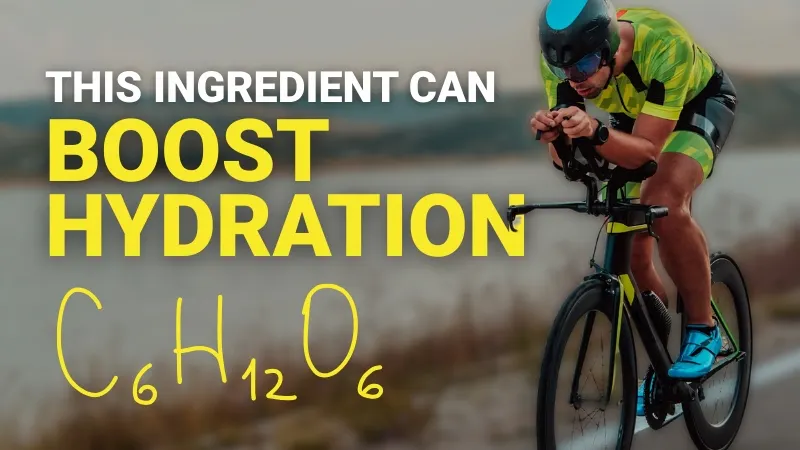
Carbs to Boost Hydration? The Overlooked Ingredient in Electrolyte Drinks That Changes How Fast You Hydrate
Most people assume hydration drinks work because of electrolytes. While sodium, potassium, and magnesium are important, they’re not the whole story. In fact, the speed at which electrolyte drinks hydrate you depends heavily on carbohydrate concentration and how it affects fluid absorption in the gut. A small amount of carbohydrate, at the right concentration, can significantly increase how quickly fluids move from your digestive system into your bloodstream. This principle is so reliable that it’s used in medical oral rehydration therapy in hospitals. But hydration formulas vary widely. For many reasons, some electrolyte drinks contain no carbohydrate at all, others contain too much, and some use specialized carbohydrate sources designed specifically for endurance athletes. Understanding these differences can help you choose the right hydration strategy for your training environment, intensity, and goals. New to electrolytes and want to learn the basics first? Check out our blog: Electrolyte Supplements Explained: Benefits, Science & How to Choose the Right Formula Browse while you read by exploring our Electrolyte Supplement Collection Why Water Alone Doesn’t Always Hydrate Well During Exercise Lets start with water on its own. Water is essential for life, but during exercise it isn’t always the most efficient way to rehydrate. When you sweat, you lose both: Water Electrolytes (especially sodium) If you sweat lots and replace only water, two things can happen: Blood sodium levels become diluted. The body may increase urine production, reducing fluid retention. This is why athletes drinking only water during long sessions often find themselves: Needing to drink large volumes Urinating frequently Still feeling thirsty That’s where electrolytes come in. Electrolytes help retain the fluid you drink, while small amounts of carbohydrate can accelerate absorption. Note that there is a key difference between fluid retention and fluid absorption, more on this later in the blog. Together, electrolytes and carbohydrates combined create a much more efficient hydration system than water alone. This is one reason properly formulated electrolyte drinks can hydrate faster than water during exercise, particularly when they contain the right balance of sodium and carbohydrate. Why Electrolytes Alone Still Help Hydration Before we talk about carbohydrates, it’s important to clarify something: Zero-carb electrolytes can still improve hydration. Electrolytes, especially sodium, help your body retain water. When sodium levels increase in the bloodstream, the body tends to hold onto fluid rather than excreting it quickly through urine. This helps maintain: Blood plasma volume – a decrease in blood plasma volume causes your blood to be thicker and harder to pump around the body, resulting in an increase in heart rate and perceived effort. Fluid balance – when fluid balance drops, you feel thirstier, more fatigued, and your endurance and power output can decline as dehydration begins to affect performance. Thermoregulation during exercise – poor hydration makes it harder for your body to dissipate heat, causing you to overheat faster, feel drained earlier, and struggle to maintain pace or intensity. Muscle and nerve function – inadequate electrolyte levels can disrupt nerve signalling and muscle contractions, increasing the likelihood of cramps, weakness, and reduced coordination during exercise. This is why electrolyte supplements can still improve hydration even without carbohydrates, they still contribute to deterring the negative effects listed above. Zero-carb electrolyte formulas can be useful when: Water retention is the primary goal Exercise intensity is moderate You’re training in hot environments You want to avoid extra calories However, while electrolytes help your body retain fluids, they don’t maximize the speed of absorption. That’s where carbohydrate enters the picture. The Sodium + Glucose Hydration Mechanism Inside the lining of your small intestine is a transport protein called SGLT1 (Sodium-Glucose Linked Transporter 1). Its role is simple: It pulls glucose and sodium into intestinal cells together. When this happens, water follows automatically via osmotic pressure. Think of it like a hydration conveyor belt: Glucose + Sodium → Pulled into intestinal cells → Water follows This mechanism dramatically improves how efficiently fluid moves from your gut into circulation. Without glucose present: Sodium absorption slows Water absorption slows With a small amount of glucose present: Sodium transport increases Water follows faster This is the same physiological principle used in hospital oral rehydration solutions to treat dehydration. The Hydration Sweet Spot: 2–6% Carbohydrate (Hypotonic) While glucose helps hydration, the concentration matters. Research consistently shows the optimal range for fluid absorption is roughly 2–6% carbohydrate. That equals 20–60 grams of carbohydrate per litre of fluid. Carbohydrate Level Carbs per Litre Effect 0% 0g Hydration can improve from electrolytes 2-6% 20-60g Fastest fluid absorption 8-10%+ 80g+ Slower digestion and risk of GI distress Within the 2–6% range, drinks remain light enough to move quickly through the stomach while still activating the glucose-sodium transport system. This combination allows rapid delivery of fluid into circulation. This is why mixing your electrolyte powder with the recommended amount of water matters. It creates the correct carbohydrate concentration for efficient hydration. Many sports hydration drinks are designed within this carbohydrate range, allowing them to hydrate faster than plain water while still supporting performance during exercise. When Carbohydrate Levels Get Too High Some hydration formulas sports drinks contain 8–12% carbohydrate solutions. These are generally intended to be used when carbohydrate intake is the priority, such as doing long-duration high intensity exercise in cool temperatures where carbs are being used, but sweat rates are relatively low. However, when a formula reaches an 8–12% carbohydrate solution, digestion slows. High-carbohydrate drinks can: Slow gastric emptying Increase GI discomfort Cause bloating or stomach sloshing Delay fluid absorption Instead of hydrating efficiently, the body has to process the carbohydrate load first. But this doesn’t mean higher-carb drinks are bad, they simply serve a different purpose: energy delivery. Worth noting is that in very concentrated drinks, the high carbohydrate content can pull water into the small intestine so the body can dilute the mixture before absorbing it. During exercise, this can temporarily slow how much fluid reaches your bloodstream, which may temporarily worsen or delay rehydration. If you use a hydration supplement and often struggle with GI distress and dehydration, check to make sure you’re using the correct powder to water ratio, or try a different powder with slightly less carbohydrates. How Cluster Dextrin Changes the Equation Some modern endurance drink mixes use Cluster Dextrin® (Highly Branched Cyclic Dextrin) as their primary carbohydrate source. Cluster dextrin has a much lower osmolality compared with traditional carbohydrate sources like glucose or maltodextrin. This allows drinks to deliver high amounts of carbohydrate while still emptying from the stomach relatively quickly. For endurance athletes, this can provide several advantages: Faster gastric emptying compared with many traditional high-carb drinks Reduced risk of GI discomfort during long sessions or races More stable energy delivery without large blood sugar spikes The ability to consume higher carbohydrate amounts through fluids This is why some premium race-focused formulas can deliver 60–90g+ of carbohydrates per serving while still remaining tolerable for many athletes. These formulas are often used in: Endurance cycling Marathon running Triathlon Ultra-distance events However, even with improved carbohydrate sources, very high-carbohydrate drinks are still designed primarily for fueling rather than hydration. For everyday training or hydration-focused use, lower carbohydrate electrolyte formulas typically provide faster fluid absorption and better hydration efficiency. What Is an Isotonic Drink? Hydration drinks are often categorized based on tonicity, which describes the concentration of dissolved particles relative to blood. Type Description Carb Level Primary Use Hypotonic Lower concentration than blood 0-6% Fast hydration Isotonic Similar concentration to blood ~6-8% Hydration + energy Hypertonic Higher concentration than blood 8%+ Energy delivery You may also hear the term osmolarity, which refers to the total number of dissolved particles in a solution. In practice, both tonicity and osmolarity influence how quickly fluids move across intestinal membranes. Isotonic drinks sit in the middle of the hydration spectrum. They provide meaningful carbohydrate energy while still delivering fluids relatively efficiently. They are particularly useful when: Exercise lasts longer than 90 minutes Carbohydrate intake becomes important Training occurs in cooler environments Athletes need steady fuel delivery In cooler conditions, sweat loss is often lower, so the priority can shift slightly toward energy supply rather than maximum hydration speed. How Food and Energy Gels Affect the Tonicity of Your Sports Drink One factor often overlooked in hydration planning is what else you consume during exercise. Even if your sports drink is perfectly formulated, adding gels, chews, or solid food changes the concentration of carbohydrates in your stomach. Your digestive system sees one combined mixture, not separate sources of fuel and fluid. For example: Intake Example Result 3-4% carb drink Fast hydration Isotonic drink Balanced hydration + energy Isotonic drink + gel Higher carbohydrate concerntation Isotonic drink + multiple gels Potentially hypertonic mixture, GI distress *Assuming all consumed within a 45-90 min timeframe. Once that mixture becomes too concentrated, gastric emptying slows and hydration efficiency drops. Why Gels Recommend Water Most energy gels suggest: “Consume with water.” This is because gels are extremely concentrated carbohydrate sources, often 20–30g of carbohydrate in a small packet. Drinking water helps dilute the mixture in your stomach, bringing it closer to an isotonic range that your body can process comfortably. Some gels are formulated to be isotonic and don't require additional water aside from what you would regularly consume. Without enough water, athletes may experience: Stomach discomfort Slower digestion Reduced fluid absorption Why Sweat Rate Changes Hydration Needs Hydration needs vary widely between athletes. Sweat rates can range from less than 0.5L to over 1.5L per hour, depending on: Body size Exercise intensity Temperature and humidity Individual physiology Some athletes also lose significantly more sodium in sweat. These individuals often benefit from: Higher electrolyte intake More structured hydration planning Drinking regularly rather than relying on thirst Understanding your sweat rate helps determine whether you need: Basic electrolyte hydration Higher sodium formulas Additional carbohydrate fueling The Hydration Spectrum Hydration and fueling exist on a spectrum. Choosing the right option depends on exercise duration, temperature, and fueling needs. The Main Takeaway Hydration isn’t just about drinking water or adding electrolytes. The real key lies in how fluids move through your digestive system. Key Points Hydration isn’t just about electrolytes. The concentration of carbohydrates in a drink significantly affects how quickly fluids are absorbed. Electrolytes help retain fluid, supporting blood plasma volume, thermoregulation, and muscle function during exercise. Small amounts of carbohydrate (2–6%) accelerate hydration by activating the sodium–glucose transport system (SGLT1) in the intestine. Too much carbohydrate (8–12%+) can slow hydration, increasing the risk of stomach discomfort and delayed fluid absorption. High-carbohydrate drinks are primarily designed for fueling, not maximum hydration speed. Cluster Dextrin® allows higher carbohydrate intake with less GI distress, making it useful for endurance athletes needing large amounts of fuel. Hydration strategy should match your training conditions, including exercise duration, sweat rate, temperature, and fueling needs. Understanding how electrolytes, carbohydrate concentration, and drink formulation interact can help you choose the right hydration strategy for both performance and comfort during training and racing. Need guidance on what electrolyte formula is right for you? Check out our guide: Electrolyte Supplements Explained: Benefits, Science & How to Choose the Right Formula Ready to Optimize Your Hydration? If you want hydration formulas designed around proper electrolyte balance and optimal carbohydrate concentration, explore our Electrolyte Collection to find performance hydration solutions built for real training conditions. Unsure where to start? Check out our blog Top 9 Best Electrolyte Supplements in 2026 for Hydration, Sport & Daily HealthRead More
Electrolyte Supplements Explained: Benefits, Science & How to Choose the Right Formula
If you’ve ever felt drained halfway through a workout, battled headaches after a long run, or struggled with muscle cramps at night, electrolytes might be the missing piece in your nutrition plan. Electrolyte supplements have exploded in popularity, from endurance athletes and gym-goers to office workers trying to stay hydrated. But what actually are electrolytes? Do you really need a supplement? And with so many options on the market, how do you choose the right one without getting swept up in the hype? In this guide, we’ll break down the science in practical terms, explain when supplementation makes sense, and help you choose the right formula for your training. If you're ready to optimise hydration and performance, explore our curated Electrolyte Supplement Collection featuring high-quality hydration formulas designed for real-world performance. What Are Electrolytes? (And Why They Matter More Than You Think) Electrolytes are charged minerals that regulate: Muscle contractions Nerve signalling Fluid balance Blood pressure Heart rhythm The key electrolytes include: When you sweat, you primarily lose sodium and chloride, with smaller losses of potassium and magnesium. If you replace fluid without replacing sodium, plasma sodium concentration can drop, which can lower performance and increase fatigue. Hydration is not just about water. It’s about maintaining electrolyte balance. Why Electrolyte Supplements Are So Popular in 2026 Modern training has changed Higher participation in endurance and hybrid events Growth in high-intensity functional training Increased sauna use Rise in ketogenic and low-carb dieting More people training in fasted states These factors all increase electrolyte demand. For people training 4-6 times per week, hydration strategy directly influences output, recovery, and adaptation. Electrolytes are also important for those who work in hot and humid conditions daily. The Marketing FactorIt’s also fair to recognise that marketing has contributed to the rise in electrolyte products. Hydration is now more visible in mainstream health conversations, and that’s not entirely a bad thing. Greater awareness has helped people think more intentionally about fluid intake, daily mineral balance, and overall wellbeing. That said, electrolyte needs are highly individual. Light activity may not require high-dose formulas Intense training, heat exposure, or low-carb diets often justify them Everyday wellness support can benefit from lower-dose blends The key isn’t whether electrolytes are “necessary” for everyone, it’s matching the right formula to the right lifestyle. Electrolyte Supplements Explained: What Actually Matters? Not all hydration products are equal. Many are underdosed. Others are simply high-sugar drinks with minimal sodium. Here’s what to look for. 1. Sodium Is King Sodium is the primary electrolyte lost in sweat. Moderate training: 300–600mg per session Heavy sweating/endurance: 700–1000mg per hour Electrolyte supplements with 100–150mg of sodium per serve are unlikely to significantly impact performance in serious training contexts, but can be useful for general health support by encouraging fluid intake. What About Potassium? Potassium supports muscle contractions and cellular fluid balance, but sweat losses are relatively small and blood levels are tightly regulated. Including 100–300mg can help maintain balance, but high doses aren’t necessary for typical training sessions. And Magnesium? Magnesium supports ATP (energy) production and muscle relaxation, but depletion is usually long term, not within a single session. You don’t lose large amounts of magnesium in a single workout, and higher intra-workout doses can cause GI discomfort. It’s generally more effective as a daily recovery mineral rather than a session-critical ingredient. 2. A Small Amount of Carbohydrate Improves Fluid Uptake This is one of the most misunderstood areas in sports hydration.A small amount of carbohydrate, more specifically a 2–6% solution (20–60g per litre), can significantly improve fluid absorption in the small intestine. Here’s why:In the intestinal lining, there’s a transport protein called SGLT1 (Sodium-Glucose Linked Transporter 1). This transporter: Pulls glucose and sodium into intestinal cells together Water then follows via osmotic gradient In simple terms: Glucose + Sodium = Faster water absorption Without glucose present, sodium absorption is slower. With a small carbohydrate presence, fluid delivery into circulation improves noticeably. This is the same physiological principle behind medical oral rehydration therapy used in hospitals. However, more carbohydrates does not equal better. If carbohydrate concentration exceeds ~8–10% (80g per litre), gastric emptying slows, which can: Increase GI distress Reduce fluid delivery speed Cause bloating That’s why smart performance formulas include just enough carbohydrate to enhance absorption, and not overwhelm digestion. Learn more about the role of carbohydrates for hydration in our blog: The Overlooked Ingredient in Electrolyte Drinks That Changes How Fast You Hydrate 3. When to Choose Carbs vs Zero-Sugar Choose electrolytes with carbohydrates if: Performing endurance events Training at high intensity Needing intra-workout fuel Training longer than 60–90 minutes Choose zero-sugar electrolytes if: You're a heavy sweater that wants higher electrolyte intake without over-doing carbohydrate intake Following low-carb or keto Training at low intensity for under 60 minutes Using electrolytes primarily for general fluid replacement, not sport performance At Sportsfuel, our Electrolyte Supplement Collection includes both carbohydrate-enhanced performance blends and clean zero-sugar options, allowing you to match hydration to your lifestyle and training demands. Signs You May Need Electrolyte Support You may benefit from electrolyte supplementation if you experience: Frequent muscle cramps Headaches post-training Dizziness in hot conditions Noticeable salt residue on clothing Decline in alertness and performance during longer sessions A common mistake is assuming magnesium alone fixes cramps. During active sweat loss, sodium depletion is often the primary issue. Electrolytes for Different Training Goals Endurance Athletes Prioritise: Higher sodium (500–1000mg per hour) 20–60g carbohydrates per hour Easy-mix powders or sachets Strength & Hypertrophy Focus on: 300–600mg sodium Moderate magnesium Optional low-dose carbohydrates for longer sessions Low-Carb / Keto Athletes Due to increased renal sodium excretion: Daily sodium support is often beneficial Zero-sugar electrolyte blends work well Magnesium can support neuromuscular recovery Pairing electrolytes with adequate protein intake can further support recovery and performance adaptation. We break down the best electrolytes for different goals in our blog: Top 9 Best Electrolyte Supplements in 2026 for Hydration, Sport & Daily Health When Should You Take Electrolytes? Pre-workout:If fasted or training in heat, 20–30 minutes before. For long endurance events, taking electrolytes the day before can help pre-event hydration. Intra-workout:For sessions longer than 60 minutes, or high-intensity training with heavy sweat loss, consume regularly throughout the session. Aim to spread intake evenly to reach: 300–1000mg sodium per hour (based on sweat rate) 20–60g carbohydrate per hour for endurance work Rather than waiting 45–60 minutes and drinking a large amount, take small mouthfuls every 5–15 minutes. This helps maintain plasma volume, supports normal neuromuscular function, and improves gastrointestinal comfort, all of which contribute to more effective hydration during prolonged exercise. Hydration works best when it’s steady and proactive, not reactive and rushed. Post-workout:Use electrolytes if sweat loss was heavy or you experience post-session fatigue. Choosing the Right Electrolyte Supplement at Sportsfuel Inside our Electrolyte Supplement Collection, you’ll find hydration solutions tailored to: Endurance performance Strength training Low-carb lifestyles Everyday hydration Are Electrolytes Found in Food? Yes, electrolytes are naturally present in many whole foods. For example: Sodium: salt, processed meats, many sauces, Potassium: bananas, potatoes, yoghurt, leafy greens Magnesium: nuts, seeds, dark chocolate, legumes Calcium: dairy products, fortified alternatives During heavy training, high sweat loss, or heat exposure, replacing adequate sodium and fluids through food alone can be impractical. This is where electrolyte supplements offer advantages: Precise sodium dosing Faster fluid delivery Convenient use during training Easy adjustment based on sweat rate Whole foods build the foundation. Targeted electrolyte supplements help close the gap when performance demands increase Key Takeaways Electrolytes regulate hydration, muscle function, and performance. Sodium is the most critical electrolyte during sweat loss. Small amounts of carbohydrate enhance fluid absorption via sodium-glucose transport. Too much carbohydrate slows absorption. Balance matters. Your ideal formula depends on training duration, intensity, and diet. Hydration isn’t just about drinking water. It’s about replacing what you lose, intelligently. Ready to Hydrate Smarter? If you want to train harder, reduce fatigue, and support recovery with science-backed hydration, explore our curated range of performance-focused formulas. Find your ideal hydration solution in our Electrolyte Supplement Collection at Sportsfuel and optimise your performance from the inside out. FAQ: Electrolyte Supplements Explained 1. Do electrolytes with carbs hydrate better than zero-sugar versions? In longer or high-intensity sessions, yes. Small amounts of carbohydrate enhance sodium and water absorption via intestinal transport mechanisms. 2. Can I take electrolytes every day? Yes, especially if you sweat heavily, train frequently, or follow a low-carb diet. 3. Are sports drinks the same as electrolyte supplements? Not necessarily. Many commercial sports drinks are under-dosed in sodium and overly high in sugar. Read the label to look for sodium 4. How much sodium do athletes actually need? Most active individuals benefit from 500–1500mg additional sodium during heavy training sessions, depending on sweat rate. 5. Is too much carbohydrate bad for hydration? High concentrations (above ~8–10%) can slow gastric emptying and reduce fluid absorption efficiency. Balance is key.Read More
Top Post Workout Supplements
Proteins Protein helps with building as well as maintaining muscle and is an essential part of your diet, taken post workout it can help speed up recovery by supplying amino acids to the body as well as all the building block the muscle needs to repair and grow.Muscletech- Nitro Tech 100% Whey Gold Lean protein with 24g of protein and only 125 calories per serve Blend includes protein peptides as well as the standard isolate and concetrate, these peptides absorb faster allowing your body to start repairing that much quicker Great taste BSN-Syntha 6/Syntha 6 Edge Higher calorie protein with 200 cal per serve for original and 150 cal per serve for the edge version Higher carbs - it is important to have higher carbs post workout to refuel glycogen to refuel your muscles, higher simple carbs can also increase insulin which allows your body to absorb and store amino acids such as bcaa, creatine and glutamine much more efficiently as well as decreasing your cortisol levels to help your body relax and get ready to repair Multiple digestion speeds - being a blend of different protein sources with varying digestion times means it will supply your body with a steady stream of nutrients and amino acids if you are unable to eat for a while after training Carb powders Carb powders are helpful for restoring glycogen, reducing cortisol and increasing absorption of amino acids as previously stated these are commonly used with creatine to increase your body's ability to absorb it and store it in the muscles. 1-up nutrition tri-carb 25g of carbs per scoop Unflavoured so can mix into your pre workout, bcaa or post workout protein shake without conflicting flavours Multiple high quality trademarked carb sources such as cluster dextrin and carb10 Complex carbohydrates with low insulin impact for people who don’t want to spike insulin Added electrolytes to help with rehydration post workout and replace any lost during training GAT Carbotein 31g of carbs per serve Designed specifically for glycogen replenishment of glycogen loading Great taste Added electrolytes Additional bcaa to assist with recovery Scivation Xtend Scivation xtend is one of my favourite bcaa products, especially if you want to take it post workout it has A high 7g dose of bcaa in the proven 2:1:1 ratio Great flavours Added electrolytes Added glutamine to increase recovery and decrease delayed onset muscle soreness Added L-Citrulline to increase blood flow to allow more nutrients to be delivered to the muscles faster to help with quicker repair Creatine Creatine is a great product for increased strength and performance the ideal time to take it is post workout when your muscles are depleted and taken with simple carbohydrates to increase absorption and allow insulin to shuttle it directly into the muscle the 2 main types of creatine are monohydrate and hydrochloride. Check out our great range of Creatine Supplements here and if you wanna get more info about Creatine and how to use it, our comprehensive Creatine Guide is for you! Monohydrate Has the most scientific data backing its effect and safety Cheapest form of creatine so it does not cost much to use Flavourless so it can mix with anything Hydrochloride (HLC) Better absorption than monohydrate No conversion into waste product meaning no need to cycle on and off it Smaller dose due to superior water solubility and absorption No bloating, water retention or gastric distress that some people may encounter with monohydrate (a very small percentage of people experience these issues) Glutamine Glutamine can help with Increasing recovery Decreasing post workout muscle soreness in the following days Also assists with gut health Wanna find out more about the importance of Glutamine? Then check out our latest article about everything you need to know about Glutamine! Combination post workout products Muscletech Nitro Tech protein original High quality protein Also includes a 3g serve of Creatine per scoop Muscletech Cell Tech Mass building creatine/recovery formula 5g of creatine per serve Added bcaas Contains electrolytes 38g of carbohydrates per serve Has simple carbs as well as complex carbs to spike insulin and allow the creatine, bcaa and additional ingredients or be absorbed and stored rapidly Gaspari Sizeon Another performance creatine/recovery product Contains a daily dose of creatine (amount is not disclosed) Contains 40g of carbs per serve Includes some whey protein hydrolysate, which is the most quickly absorbed form of protein available Added bcaa included a huge 4g dose of leucine, the amino primarily responsible for anabolic response and muscle growth Contains electrolytes Also contains glutamine Refreshing flavoursRead More
BSN AMINOx: Benefits of this Endurance & Recovery Agent
In need of more energy and endurance at the gym? Tired of dealing with the agony and frustration of post-workout soreness?Today we’re checking out the features and benefits of the amino acid product: “AMINOx” courtesy of Illinois supplement company “BSN.” AMINOx is a stimulant-free, BCAA supplement designed to support endurance during your workout and aid in muscle recovery post workout. But before we jump into the benefits and features, lets see what makes this innovative supplement tick: What Are BCAAs And How Can They Help My Performance In The Gym? Amino acids are sometimes referred to as the building blocks of protein and lean muscle. BCAAs (Branched Chain Amino Acids) in particular refer to three specific amino acids: Leucine, Isoleucine and Valine. These amino acids can be used by your muscle cells as an energy source, which helps to fight muscle fatigue during intense exercise and aid with repair after you workout. Many users have found this dramatically decreases the amount of soreness and pain they experience following an intense workout, and as a result BCAAs have become incredibly popular with athletes and bodybuilders alike. BSN’s AMINOx product comes packed with a 10g blend of BCAAs, as well as other essential amino acids including: L-Alanine, Taurine and L-Citrulline. The fact that AMINOx contains 10g of BCAAs per serving is also a point of difference, as most brands will only give you around 5g. The Benefits Of Using AMINOx: Recover faster - no more skipping the gym because you’re still sore after yesterday’s workout. AMINOx will have you feeling surprisingly good following intense exercise.Workout harder - as well as helping with recovery, AMINOx also helps you to perform at your peak - giving your muscles the endurance to push past your limits in the gym.Mixes easy, tastes great - AMINOx mixes with little effort, won’t leave nasty clumps and is available in a range of different flavours to suit your taste.Higher BCAA content - with 10g of amino acid content per serving, AMINOx has nearly twice the BCAA content compared with other competing brands.Great value for money - AMINOx is also great value for money when considering cost per gram of BCAAs. The amount you’re paying is on par with cheaper BCAA supplements and brands. AMINOx Is Also Designed To Support: Protein synthesis / anabolism. Glycogen resynthesis. Insulin sensitivity. Anti-catabolism / muscle sparing. Recovery from training sessions. Muscular endurance. Resistance to muscular fatigue. Who Should Use AMINOx? AMINOx is suitable for just about anyone looking to take their fitness or gym game to the next level. Whether you’re looking for more energy to push through those intense workouts, or a little relief to minimise soreness post workout - AMINOx is a scientifically proven solution that works. With AMINOx in particular, you’re also getting great bang for your buck based on the amount of BCAAs per serving. If you’re interested in getting your hands on AMINOx, or if you simply want to know more about this innovative product, feel free to check out AMINOx and other great Amino Products in the Sportsfuel store.Read More
Pre Workout Nutrition For Performance And Recovery
Pre workout nutrition is often over looked when it comes to getting the best results from training. It’s easy to rock up to the gym and drop a scoop of pre-workout and think you’ve got all the energy you need for your workout. But when did you last eat? And was it food that fuelled your body for peak performance?Read More
Do you need Post Workout Carbs?
To many people, carb is a four-letter word that's completely off-limits in their diets, but the bad reputation that carbohydrates have gained in the world of sports nutrition is rather undeserved. The truth is that carbs can be an important part of any post-workout supplement plan when used properly. Benefits of Carbs After a Workout The primary benefit of getting a healthy dose of post workout carbs is its effects on glycogen, the form that glucose takes when it's stored in your muscles. Glycogen is the primary fuel source that your body uses during workouts, as it can be rapidly broken down to create the ATP needed to produce muscle contractions. When you fail to replace the glycogen that was consumed during a workout, your muscles simply can't fully recover, which can limit muscle growth and stymy your progress toward building mass. Plus, the intake of carbs will quickly re-energise you, so that you can continue with your daily activities without feeling drained. The Kind of Carbs Matters Carbohydrates truly can be beneficial after a workout, but not all carbs are the same. The best carbs for use post-workout are those that can be rapidly digested and absorbed to replenish glycogen at the quickest possible rate. These types of carbs are also known as high-glycemic carbs. Dextrose, a form of pure glucose, can give your body the fastest increase in glucose levels possible. This is because the glucose doesn't have to be digested. It can simply be absorbed right into your bloodstream and put to work. Do Carbs After a Workout Make You Fat? If you're working out to burn body fat and build muscle mass, you may worry that taking in extra carbs will undermine your weight loss benefits. When consumed after a workout, it's highly unlikely that carbs will be converted into fat, as the glucose that they contain is so sorely needed by the muscles. Even if you're limiting your intake of carbs from your other meals, consuming some after your workout is more likely to further your efforts to reduce body fat rather than conflict with them. Experts recommend post-workout carbs to complement all weight-loss diets, except for any in which carbohydrates have been 100 per cent eliminated during the rest of the day. Best Practices for Post Workout Carbs To get the absolute best results from post-workout carbs, follow these tips: The best time to consume post-workout carbohydrates is as soon as you're finished working out. Most experts recommend 20 to 60 grams of dextrose and high glycemic carbs following a workout. If you feel sluggish when you consume only high glycemic carbs after a workout, try splitting the dosage in half with 50 per cent high and 50 per cent low glycemic carbs. Most people should consume roughly 40 grams of protein along with carbs immediately after a workout. If you need assistance selecting the right carbohydrate supplement for use after your workout, we'll be glad to help. Contact one of our Sportsfuel team members for personalised advice.Read More