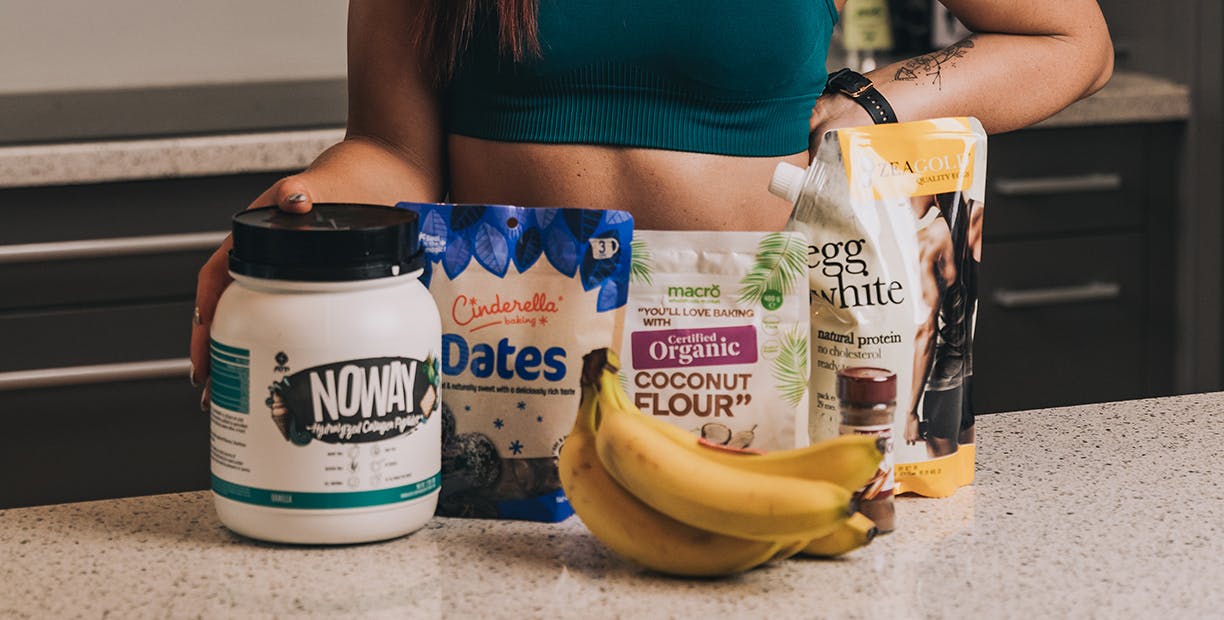
Nutrition
Top 9 Best Electrolyte Supplements in 2026 for Hydration, Sport & Daily Health
Proper hydration is essential for performance, recovery, and overall health. Whether you're training for a marathon, working out at the gym, or simply trying to stay hydrated throughout the day, choosing the best electrolyte supplement in 2026 can make a noticeable difference. Electrolytes like sodium, potassium, magnesium, and calcium help regulate fluid balance, support muscle contractions, and maintain nerve function. When you sweat during exercise or lose fluids through heat, these minerals must be replaced to prevent dehydration, fatigue, and muscle cramps. Today’s sports hydration market includes a wide range of products, from zero sugar electrolyte powders for keto diets, to high-performance drink mixes for endurance athletes, to clean daily hydration formulas with natural ingredients. In this guide, we’ve ranked the top electrolyte supplements in 2026, grouped into three key categories: Best Zero Sugar Electrolytes Best Electrolytes for Endurance & Sport Best Electrolytes for Daily Hydration Browse while you read by exploring our Electrolyte Supplement Collection. Quick Picks: Top Electrolytes for Different Needs If you’re looking for the right hydration formula quickly, here are our top picks based on different training goals and hydration needs. Keto and low-carb diets → Nothing Naughty Low Carb Hydration Powder Sugar-free → Elyte Hydration Powder Sachets Heavy sweating and hot climates → Precision Hydration PH 1000 Electrolyte Drink Mix Endurance racing and high-carb fueling → PURE Performance+ Race Fuel Electrolyte Drink Mix General endurance training and racing → SiS Go Electrolyte 1.6kg Convenient hydration tablets → SiS Hydro Tablets Natural electrolyte drink mix → Skratch Labs Hydration Sport Drink Mix Everyday moderate exercise and general electrolyte support → Clean Nutrition Electrolyte Hydration Hydration + other health benefits → Dr Hydrate All-In-One Hydration Formula How Electrolyte Supplements Work Electrolytes: Electrolytes are charged minerals like sodium, potassium, magnesium, calcium, and chloride that regulate fluid balance, nerve signalling, muscle contractions, and heart rhythm. When you sweat during training, you primarily lose sodium and chloride, with smaller losses of potassium and magnesium. If you replace fluid without replacing sodium, hydration efficiency can decline, which may lead to fatigue, reduced performance, and headaches after exercise. Carbohydrates: Many electrolyte hydration formulas include a small amount of carbohydrate, which helps transport sodium and water across the intestinal wall through the sodium–glucose transport mechanism (SGLT1). This improves fluid absorption compared with water or electrolytes alone, which is why many sports hydration drinks combine carbohydrates with electrolytes during longer workouts and races. However, more carbohydrates isn’t necessarily better. Learn more in our guide: The Overlooked Ingredient in Electrolyte Drinks That Changes How Fast You Hydrate Understanding electrolyte balance helps you choose the right hydration strategy based on your training, sweat rate, and environment. For a deeper breakdown of hydration science and how electrolyte formulas differ, read our full guide: Electrolyte Supplements Explained: Benefits, Science & How to Choose the Right Formula. Best Electrolyte Supplements for Endurance & Sport Athletes training for running, cycling, triathlon, or endurance sports often require electrolyte supplements that combine hydration with carbohydrate fueling. These sports drink mixes help maintain energy levels, electrolyte balance, and performance during long workouts or races. PURE Performance+ Race Fuel Electrolyte Drink Mix Best for: High-carb endurance fuelling and gut training Key Stats (Per 450ml Serve)90g Carbs | 651mg Sodium | HASTA tested PURE Performance+ Race Fuel Electrolyte Drink Mix is designed for endurance athletes who need to sustain high carbohydrate intake during long training sessions and races. Unlike most hydration supplements that primarily focus on electrolytes with minimal-to-moderate carbohydrates, Race Fuel delivers a large carbohydrate load alongside electrolytes. This allows it to function as a primary fuel source when gels or solid foods are impractical, helping athletes meet aggressive fuelling targets through fluid alone. Why it stands out Single sachets and large bags available Cluster Dextrin™ for rapid digestion and steady energy High electrolyte content Unflavoured options to reduce flavour fatigue Can be used as a sole source of fuel during long efforts HASTA certified and made in New Zealand Shop PURE Performance+ Race Fuel SiS Go Electrolyte 1.6kg Best for: Balanced hydration and carbohydrate intake during endurance exercise Key Stats (Per 500ml Serve)36g carbs | 500mg Sodium | Informed Sport tested SiS GO Electrolyte uses an isotonic formula that sits between hypotonic hydration drinks and high-carbohydrate fuels. This balance allows athletes to take in a useful amount of carbohydrate while maintaining steady fluid absorption, helping reduce the risk of stomach discomfort that can occur with more concentrated drinks. Its carbohydrate source is primarily maltodextrin, known for quick digestion and steady energy delivery. Why it stands out Easy to drink over long sessions without feeling heavy Primarily maltodextrin-based for fast, easily digested energy High sodium content to support hydration and fluid balance Shop SiS Go Electrolyte 1.6kg Precision Hydration PH 1000 Electrolyte Drink Mix Best for: Heavy sweaters, hot climates, high-sodium hydration Key Stats (Per 500ml Serve)500mg Sodium | 16.5g Carbs | Informed Sport tested Precision Hydration PH 1000 Electrolyte Drink Mix is designed for athletes who lose large amounts of sodium through sweat, particularly during training or racing in hot or humid environments. With 1,000mg of sodium per litre when mixed as directed, it provides a significantly stronger electrolyte concentration than many standard hydration drinks. The formula also includes a light 3% carbohydrate concentration, helping support fluid absorption. Why it stands out Available in sachets for easy mixing during training or racing 1,000mg sodium per litre to replace electrolytes lost through heavy sweating Hypotonic 3% carbohydrate formula supports efficient fluid absorption Designed for athletes training in hot climates or high sweat conditions Mild citrus flavour helps reduce flavour fatigue during long sessions Informed Sport tested for quality and athlete confidence Shop Precision Hydration PH 1000 Electrolyte Drink Mix Best Zero Sugar Electrolyte Supplements Zero sugar electrolyte supplements are ideal for people following keto, low-carb, or fasting diets, or athletes who want higher electrolyte intake without over-doing carbohydrate intake. These electrolyte drink mixes focus on delivering high sodium and mineral content without sugar, making them popular for fasted training, hot weather workouts, and heavy sweating. Elyte Hydration Powder Sachets Best for: Daily hydration, heavy sweating, zero-sugar electrolyte replenishment Key Stats (Per 500-1100ml Serve) 1000mg sodium | 500mg potassium | Zero sugar ELYTE Hydration is a zero-sugar electrolyte drink designed to support hydration and electrolyte balance without added carbohydrates, making it suitable for daily hydration, fasted training, or low-carb nutrition strategies. Why it stands out Convenient single serve sachets Balanced electrolyte blend to support fluid balance and muscle function Helps replenish salts lost through sweat and daily activity Clean ingredient profile with natural flavours and stevia Suitable for low-carb, keto, or fasted training approaches Shop ELYTE Hydration Electrolyte Drink Mix SiS Hydro Tablets Best for: Low-calorie hydration, hot conditions, shorter training sessions Key Stats (Per 500ml Serve) 870mg sodium | <0.5g sugar | Informed Sport tested SiS Hydro Tablets are designed for hydration-first electrolyte support without added carbohydrates, making them useful when electrolyte balance is the priority rather than energy intake. The tablets dissolve easily in water to deliver a light, refreshing electrolyte drink suited to shorter workouts or hot conditions. Why it stands out Effervescent tablet format for convenient on-the-go hydration Formulated with a scientifically proven sodium concentration (30mmol/L) Originally developed for the British Sailing Team to compete at the 2008 Beijing Olympics Optional caffeine flavours Formulated to support fluid retention and sweat replacement Light taste that’s easy to drink during exercise Shop SiS Hydro Tablets Nothing Naughty Low Carb Hydration Best for: Low-carb lifestyles, everyday hydration, light activity Key Stats (Per 200ml Serve) 80mg Sodium | 93mg Potassium | Zero sugar Nothing Naughty Low Carb Hydration Powder is designed for sugar-free hydration with a more potassium-balanced electrolyte profile. Compared with many sports hydration formulas that prioritise high sodium for sweat replacement, this mix provides a potassium-forward balance. This can be particularly useful on low-carb or ketogenic diets, where restricting fruits and starchy vegetables often reduces dietary potassium intake. Why it stands out Potassium-dominant electrolyte profile Naturally sweetened with erythritol and thaumatin Keto-friendly and gluten free Made in New Zealand Shop Nothing Naughty Low Carb Hydration Powder Best Electrolytes for Daily Hydration Not everyone needs high-dose sports hydration formula. Many people simply want a clean electrolyte supplement for everyday hydration. These options are ideal for day-to-day training, general wellness, light workouts, travel hydration, and hot climates. Clean Nutrition Electrolyte Hydration Best for: Everyday hydration, light training, hot climates Key Stats (Per 200ml Serve) 10.8g carbs | 56mg Sodium | 68 mg Potassium Clean Nutrition Electrolyte Hydration Powder is formulated as a hypotonic electrolyte drink, combining a light carbohydrate concentration with key electrolytes to support efficient fluid absorption. While it isn’t as high in electrolytes as some performance-focused hydration formulas, this lighter profile can still support everyday hydration or lighter training, where sweat losses are typically lower. It also provides more potassium than sodium, making it better suited to general electrolyte balance rather than high-sweat endurance replacement. Why it stands out Hypotonic formula designed for faster fluid absorption Supports daily energy levels Electrolytes including sodium, potassium, magnesium, and calcium Naturally flavoured Made in New Zealand Shop Clean Nutrition Electrolyte Hydration Powder Skratch Labs Sport Hydration Mix Best for: Daily training, endurance workouts, light race fueling Key Stats (Per 350-500ml Serve) ~380mg sodium | ~20g carbohydrates | Low-osmolality formula Skratch Labs Sport Hydration Mix is supports consistent hydration during everyday training, with a light carbohydrate and electrolyte balance that’s easy to drink session after session. It uses real fruit flavouring instead of artificial sweeteners, helping keep the drink light and palatable during longer workouts. While gentle enough for daily use, the combination of sodium and simple carbohydrates can also support hydration and steady energy during longer races or endurance efforts. Why it stands out Supports hydration during everyday training and general activity Provides light carbohydrate energy without the heaviness of high-carb drinks Helps replace electrolytes lost through sweat Low-osmolality formula supports fluid absorption and gut comfort Real fruit ingredients help reduce flavour fatigue Shop Skratch Labs Hydration Mix Dr Hydrate All-In-One Hydration Formula Best for: Daily wellness hydration, recovery support, nutrient-rich hydration Key Stats (Per 600-700ml Serve) 2.5g carbs | 210mg sodium | HASTA tested Dr. Hydrate takes a more comprehensive approach to hydration, combining electrolytes with vitamins, minerals, amino acids, and probiotics. This makes it highly suitable as a daily wellness hydration drink, supporting recovery, metabolism, and general health alongside fluid balance. Why it stands out Available in sachets and jar Combines electrolytes with amino acids to support recovery and muscle function Includes B vitamins and trace minerals for metabolic and energy support Contains probiotics to support digestion and nutrient absorption Sugar-free formula, suitable for keto and low carb diets Designed as an all-in-one hydration and wellness supplement Shop Dr. Hydrate Other Electrolyte Supplements Worth Considering While the supplements above are among the best electrolyte powders and drink mixes in 2026, several other hydration products are also worth mentioning depending on your needs. Other highly-rated electrolyte options are: PURE Electrolyte Hydration 500g - Natural, NZ made formula to support endurance Switch Nutrition Hydrate Sugar-Free Electrolytes - Electrolytes + taurine and CoffeeBerry™ for an energy boost Horleys Replace Hydration 1.6kg - Cost effective, reliable endurance formula Each of these products offers a slightly different balance of electrolytes, carbohydrates, and convenience. Conclusion: Choosing the Best Electrolyte Supplement in 2026 The best electrolyte supplement ultimately depends on how you train, how much you sweat, and what your hydration goals are. Endurance athletes training for marathons, triathlons, or long cycling sessions often benefit from hydration formulas that combine electrolytes with carbohydrates to support both fluid absorption and sustained energy. Products like Precision Fuel & Hydration, PURE Race Fuel, and SiS GO Electrolyte are designed for this balance. For those following low-carb or ketogenic diets, or training in a fasted state, zero sugar electrolyte supplements help maintain electrolyte balance without adding carbohydrates. Options like ELYTE Hydration, SiS Hydro Tablets, and Nothing Naughty Low Carb Hydration focus on delivering key minerals without sugar. If your goal is everyday hydration, lighter electrolyte drinks such as Clean Nutrition Electrolyte Hydration, Skratch Labs Sport Hydration Mix, or Dr Hydrate can support fluid balance during regular training, hot weather, or daily activity. Hydration needs can vary widely between individuals. Factors like training duration, sweat rate, climate, and diet all influence how much sodium and other electrolytes you may need. Choosing a formula that matches your training style and hydration needs can help support consistent performance, better recovery, and more effective fluid balance. If you're still unsure which products are right for you, explore our full Electrolyte Supplement Collection, contact us for advice, or read our guide: Electrolyte Supplements Explained: Benefits, Science & How to Choose the Right Formula.Read More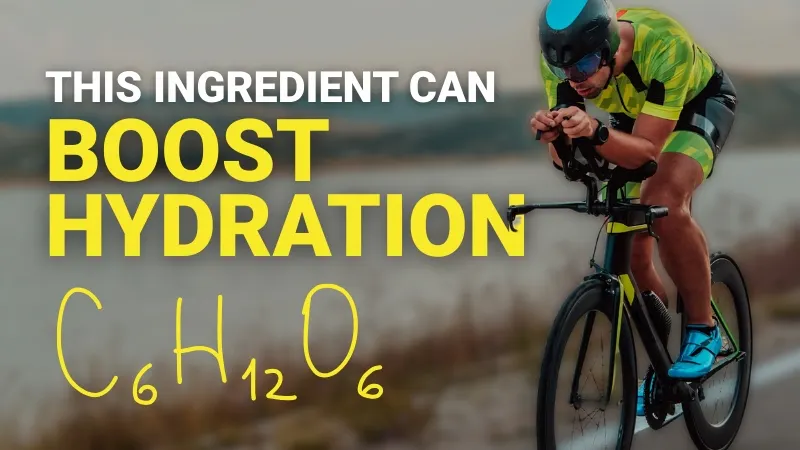
Carbs to Boost Hydration? The Overlooked Ingredient in Electrolyte Drinks That Changes How Fast You Hydrate
Most people assume hydration drinks work because of electrolytes. While sodium, potassium, and magnesium are important, they’re not the whole story. In fact, the speed at which electrolyte drinks hydrate you depends heavily on carbohydrate concentration and how it affects fluid absorption in the gut. A small amount of carbohydrate, at the right concentration, can significantly increase how quickly fluids move from your digestive system into your bloodstream. This principle is so reliable that it’s used in medical oral rehydration therapy in hospitals. But hydration formulas vary widely. For many reasons, some electrolyte drinks contain no carbohydrate at all, others contain too much, and some use specialized carbohydrate sources designed specifically for endurance athletes. Understanding these differences can help you choose the right hydration strategy for your training environment, intensity, and goals. New to electrolytes and want to learn the basics first? Check out our blog: Electrolyte Supplements Explained: Benefits, Science & How to Choose the Right Formula Browse while you read by exploring our Electrolyte Supplement Collection Why Water Alone Doesn’t Always Hydrate Well During Exercise Lets start with water on its own. Water is essential for life, but during exercise it isn’t always the most efficient way to rehydrate. When you sweat, you lose both: Water Electrolytes (especially sodium) If you sweat lots and replace only water, two things can happen: Blood sodium levels become diluted. The body may increase urine production, reducing fluid retention. This is why athletes drinking only water during long sessions often find themselves: Needing to drink large volumes Urinating frequently Still feeling thirsty That’s where electrolytes come in. Electrolytes help retain the fluid you drink, while small amounts of carbohydrate can accelerate absorption. Note that there is a key difference between fluid retention and fluid absorption, more on this later in the blog. Together, electrolytes and carbohydrates combined create a much more efficient hydration system than water alone. This is one reason properly formulated electrolyte drinks can hydrate faster than water during exercise, particularly when they contain the right balance of sodium and carbohydrate. Why Electrolytes Alone Still Help Hydration Before we talk about carbohydrates, it’s important to clarify something: Zero-carb electrolytes can still improve hydration. Electrolytes, especially sodium, help your body retain water. When sodium levels increase in the bloodstream, the body tends to hold onto fluid rather than excreting it quickly through urine. This helps maintain: Blood plasma volume – a decrease in blood plasma volume causes your blood to be thicker and harder to pump around the body, resulting in an increase in heart rate and perceived effort. Fluid balance – when fluid balance drops, you feel thirstier, more fatigued, and your endurance and power output can decline as dehydration begins to affect performance. Thermoregulation during exercise – poor hydration makes it harder for your body to dissipate heat, causing you to overheat faster, feel drained earlier, and struggle to maintain pace or intensity. Muscle and nerve function – inadequate electrolyte levels can disrupt nerve signalling and muscle contractions, increasing the likelihood of cramps, weakness, and reduced coordination during exercise. This is why electrolyte supplements can still improve hydration even without carbohydrates, they still contribute to deterring the negative effects listed above. Zero-carb electrolyte formulas can be useful when: Water retention is the primary goal Exercise intensity is moderate You’re training in hot environments You want to avoid extra calories However, while electrolytes help your body retain fluids, they don’t maximize the speed of absorption. That’s where carbohydrate enters the picture. The Sodium + Glucose Hydration Mechanism Inside the lining of your small intestine is a transport protein called SGLT1 (Sodium-Glucose Linked Transporter 1). Its role is simple: It pulls glucose and sodium into intestinal cells together. When this happens, water follows automatically via osmotic pressure. Think of it like a hydration conveyor belt: Glucose + Sodium → Pulled into intestinal cells → Water follows This mechanism dramatically improves how efficiently fluid moves from your gut into circulation. Without glucose present: Sodium absorption slows Water absorption slows With a small amount of glucose present: Sodium transport increases Water follows faster This is the same physiological principle used in hospital oral rehydration solutions to treat dehydration. The Hydration Sweet Spot: 2–6% Carbohydrate (Hypotonic) While glucose helps hydration, the concentration matters. Research consistently shows the optimal range for fluid absorption is roughly 2–6% carbohydrate. That equals 20–60 grams of carbohydrate per litre of fluid. Carbohydrate Level Carbs per Litre Effect 0% 0g Hydration can improve from electrolytes 2-6% 20-60g Fastest fluid absorption 8-10%+ 80g+ Slower digestion and risk of GI distress Within the 2–6% range, drinks remain light enough to move quickly through the stomach while still activating the glucose-sodium transport system. This combination allows rapid delivery of fluid into circulation. This is why mixing your electrolyte powder with the recommended amount of water matters. It creates the correct carbohydrate concentration for efficient hydration. Many sports hydration drinks are designed within this carbohydrate range, allowing them to hydrate faster than plain water while still supporting performance during exercise. When Carbohydrate Levels Get Too High Some hydration formulas sports drinks contain 8–12% carbohydrate solutions. These are generally intended to be used when carbohydrate intake is the priority, such as doing long-duration high intensity exercise in cool temperatures where carbs are being used, but sweat rates are relatively low. However, when a formula reaches an 8–12% carbohydrate solution, digestion slows. High-carbohydrate drinks can: Slow gastric emptying Increase GI discomfort Cause bloating or stomach sloshing Delay fluid absorption Instead of hydrating efficiently, the body has to process the carbohydrate load first. But this doesn’t mean higher-carb drinks are bad, they simply serve a different purpose: energy delivery. Worth noting is that in very concentrated drinks, the high carbohydrate content can pull water into the small intestine so the body can dilute the mixture before absorbing it. During exercise, this can temporarily slow how much fluid reaches your bloodstream, which may temporarily worsen or delay rehydration. If you use a hydration supplement and often struggle with GI distress and dehydration, check to make sure you’re using the correct powder to water ratio, or try a different powder with slightly less carbohydrates. How Cluster Dextrin Changes the Equation Some modern endurance drink mixes use Cluster Dextrin® (Highly Branched Cyclic Dextrin) as their primary carbohydrate source. Cluster dextrin has a much lower osmolality compared with traditional carbohydrate sources like glucose or maltodextrin. This allows drinks to deliver high amounts of carbohydrate while still emptying from the stomach relatively quickly. For endurance athletes, this can provide several advantages: Faster gastric emptying compared with many traditional high-carb drinks Reduced risk of GI discomfort during long sessions or races More stable energy delivery without large blood sugar spikes The ability to consume higher carbohydrate amounts through fluids This is why some premium race-focused formulas can deliver 60–90g+ of carbohydrates per serving while still remaining tolerable for many athletes. These formulas are often used in: Endurance cycling Marathon running Triathlon Ultra-distance events However, even with improved carbohydrate sources, very high-carbohydrate drinks are still designed primarily for fueling rather than hydration. For everyday training or hydration-focused use, lower carbohydrate electrolyte formulas typically provide faster fluid absorption and better hydration efficiency. What Is an Isotonic Drink? Hydration drinks are often categorized based on tonicity, which describes the concentration of dissolved particles relative to blood. Type Description Carb Level Primary Use Hypotonic Lower concentration than blood 0-6% Fast hydration Isotonic Similar concentration to blood ~6-8% Hydration + energy Hypertonic Higher concentration than blood 8%+ Energy delivery You may also hear the term osmolarity, which refers to the total number of dissolved particles in a solution. In practice, both tonicity and osmolarity influence how quickly fluids move across intestinal membranes. Isotonic drinks sit in the middle of the hydration spectrum. They provide meaningful carbohydrate energy while still delivering fluids relatively efficiently. They are particularly useful when: Exercise lasts longer than 90 minutes Carbohydrate intake becomes important Training occurs in cooler environments Athletes need steady fuel delivery In cooler conditions, sweat loss is often lower, so the priority can shift slightly toward energy supply rather than maximum hydration speed. How Food and Energy Gels Affect the Tonicity of Your Sports Drink One factor often overlooked in hydration planning is what else you consume during exercise. Even if your sports drink is perfectly formulated, adding gels, chews, or solid food changes the concentration of carbohydrates in your stomach. Your digestive system sees one combined mixture, not separate sources of fuel and fluid. For example: Intake Example Result 3-4% carb drink Fast hydration Isotonic drink Balanced hydration + energy Isotonic drink + gel Higher carbohydrate concerntation Isotonic drink + multiple gels Potentially hypertonic mixture, GI distress *Assuming all consumed within a 45-90 min timeframe. Once that mixture becomes too concentrated, gastric emptying slows and hydration efficiency drops. Why Gels Recommend Water Most energy gels suggest: “Consume with water.” This is because gels are extremely concentrated carbohydrate sources, often 20–30g of carbohydrate in a small packet. Drinking water helps dilute the mixture in your stomach, bringing it closer to an isotonic range that your body can process comfortably. Some gels are formulated to be isotonic and don't require additional water aside from what you would regularly consume. Without enough water, athletes may experience: Stomach discomfort Slower digestion Reduced fluid absorption Why Sweat Rate Changes Hydration Needs Hydration needs vary widely between athletes. Sweat rates can range from less than 0.5L to over 1.5L per hour, depending on: Body size Exercise intensity Temperature and humidity Individual physiology Some athletes also lose significantly more sodium in sweat. These individuals often benefit from: Higher electrolyte intake More structured hydration planning Drinking regularly rather than relying on thirst Understanding your sweat rate helps determine whether you need: Basic electrolyte hydration Higher sodium formulas Additional carbohydrate fueling The Hydration Spectrum Hydration and fueling exist on a spectrum. Choosing the right option depends on exercise duration, temperature, and fueling needs. The Main Takeaway Hydration isn’t just about drinking water or adding electrolytes. The real key lies in how fluids move through your digestive system. Key Points Hydration isn’t just about electrolytes. The concentration of carbohydrates in a drink significantly affects how quickly fluids are absorbed. Electrolytes help retain fluid, supporting blood plasma volume, thermoregulation, and muscle function during exercise. Small amounts of carbohydrate (2–6%) accelerate hydration by activating the sodium–glucose transport system (SGLT1) in the intestine. Too much carbohydrate (8–12%+) can slow hydration, increasing the risk of stomach discomfort and delayed fluid absorption. High-carbohydrate drinks are primarily designed for fueling, not maximum hydration speed. Cluster Dextrin® allows higher carbohydrate intake with less GI distress, making it useful for endurance athletes needing large amounts of fuel. Hydration strategy should match your training conditions, including exercise duration, sweat rate, temperature, and fueling needs. Understanding how electrolytes, carbohydrate concentration, and drink formulation interact can help you choose the right hydration strategy for both performance and comfort during training and racing. Need guidance on what electrolyte formula is right for you? Check out our guide: Electrolyte Supplements Explained: Benefits, Science & How to Choose the Right Formula Ready to Optimize Your Hydration? If you want hydration formulas designed around proper electrolyte balance and optimal carbohydrate concentration, explore our Electrolyte Collection to find performance hydration solutions built for real training conditions. Unsure where to start? Check out our blog Top 9 Best Electrolyte Supplements in 2026 for Hydration, Sport & Daily HealthRead More
Top 7 Energy Gels for Running 2026
Hitting the wall mid-race is every runner’s nightmare, and poor fueling is usually to blame. Choosing the best running gels in 2026 can make the difference between fading in the final kilometres and finishing strong. Whether you’re training for your first half marathon, building toward a full marathon, or preparing for an ultra, dialing in your fueling strategy is essential. The right running gel helps you maintain steady energy, improve endurance, and avoid the dreaded mid-run crash. In this guide, we’ve ranked the best running gels available this year, including high-carb options, caffeine-powered formulas, electrolyte-packed blends, and easy-to-digest isotonic gels, so you can confidently choose the right fuel for your training and race-day goals. Top 7 Running Gels in 2026 SiS GO Isotonic Energy Gel PURE Fluid Energy Gels Maurten Gel 160 Precision Fuel PF 90 Gel SiS Beta Fuel + Nootropics Energy Gels GU Energy Gel USN ISO Fuel Energy Liquid Gels Now, let’s take a closer look at each gel and why it earns its place in the 2026 rankings. Browse while you read by exploring our full energy gel collection. SiS GO Isotonic Energy Gel Easiest Energy Gel to Consume If you struggle with thick gels, SiS GO Isotonic is one of the easiest to take mid-run. This is a fantastic option for beginner runners, those who don’t like thick gels, or those prone to stomach discomfort. Shop SiS GO Isotonic Gels here PURE Fluid Energy Gels Most Natural & NZ-Made Option If you prefer a cleaner ingredient profile, PURE Fluid Energy Gels are a fantastic locally trusted choice. Great for runners who want a simpler ingredient list without sacrificing performance. Shop PURE Fluid Energy Gels here Maurten Gel 160 Easiest on the Stomach Used by elite marathoners worldwide, Maurten’s hydrogel technology helps encapsulate carbohydrates for smoother absorption and reduced GI distress. It has a mild citrus flavour profile to minimise flavour-fatigue. The Maurten Gel 160 is particularly powerful for runners training for high-carb strategies (80–100g carbs per hour). Shop Maurten Gel 160 here Precision Fuel PF 90 Gel Highest Carb Energy Gel If you’re pushing your carb intake higher in 2026, Precision Fuel PF 90 Gel is the ultimate high-capacity option. Known as the “jumbo gel,” it delivers a massive 90g of carbohydrate per pouch (equal to three standard gels) in one convenient, resealable format. Ideal for marathoners, ultra runners, and Ironman athletes who want maximum fuel without carrying multiple single-use gels. Shop Precision Fuel PF 90 Gel here SiS Beta Fuel + Nootropics Energy Gels Most Caffeinated Energy Gel If you want maximum mental and physical performance in one gel, the SiS Beta Fuel + Nootropics Energy Gel is the most powerful option in the lineup for 2026. Designed for endurance events lasting 2+ hours, this advanced formula combines high-dose carbohydrates with cognitive enhancers to fuel both body and mind. Ideal for marathoners, Ironman athletes, and ultra runners who need sustained energy plus sharp focus late in the race. Shop SiS Beta Fuel + Nootropics Energy Gels here GU Energy Gel Most Compact & Variety GU Energy Gel has been a reliable staple for years and continues to be a strong option in 2026. Affordable, effective, and easy to find your favourite flavour, making it ideal for long training blocks. Shop GU Energy Gels here USN ISO Fuel Energy Liquid Gels Highest in Electrolytes If hydration and cramp prevention are a priority, USN ISO Fuel Energy Liquid Gels stand out as one of the highest-electrolyte options in 2026. Designed as an isotonic liquid gel, it delivers fast-absorbing carbohydrates alongside a comprehensive electrolyte blend, making it ideal for long, hot race conditions. Ideal for marathoners, ultra runners, and triathletes training or racing in hot conditions where sweat loss is high. Shop USN ISO Fuel Energy Liquid Gels here Conclusion: Which Energy Gel Is Right for You? The best energy gels for running in 2026 depend entirely on your strategy: Want easy digestion with no water needed? → SiS GO Isotonic Prefer natural & NZ-made? → PURE Fluid Energy Gels Need something easy on the stomach for high-carb fueling? → Maurten Gel 160 Want maximum carbs in one serving? → Precision Fuel PF 90 Gel Need serious caffeine + mental focus? → SiS Beta Fuel + Nootropics Want a reliable all-rounder for training? → GU Energy Gel Training or racing in hot conditions? → USN ISO Fuel Energy Liquid Gels The key is testing your gels during long training runs, never on race day for the first time. At Sportsfuel, we’re constantly bringing in new and innovative running gels from leading brands, so there are always more great options to explore beyond the ones featured in this list. Ready to upgrade your fueling? Browse our full range of energy gels and find the perfect match for your next run.Read More
Electrolyte Supplements Explained: Benefits, Science & How to Choose the Right Formula
If you’ve ever felt drained halfway through a workout, battled headaches after a long run, or struggled with muscle cramps at night, electrolytes might be the missing piece in your nutrition plan. Electrolyte supplements have exploded in popularity, from endurance athletes and gym-goers to office workers trying to stay hydrated. But what actually are electrolytes? Do you really need a supplement? And with so many options on the market, how do you choose the right one without getting swept up in the hype? In this guide, we’ll break down the science in practical terms, explain when supplementation makes sense, and help you choose the right formula for your training. If you're ready to optimise hydration and performance, explore our curated Electrolyte Supplement Collection featuring high-quality hydration formulas designed for real-world performance. What Are Electrolytes? (And Why They Matter More Than You Think) Electrolytes are charged minerals that regulate: Muscle contractions Nerve signalling Fluid balance Blood pressure Heart rhythm The key electrolytes include: When you sweat, you primarily lose sodium and chloride, with smaller losses of potassium and magnesium. If you replace fluid without replacing sodium, plasma sodium concentration can drop, which can lower performance and increase fatigue. Hydration is not just about water. It’s about maintaining electrolyte balance. Why Electrolyte Supplements Are So Popular in 2026 Modern training has changed Higher participation in endurance and hybrid events Growth in high-intensity functional training Increased sauna use Rise in ketogenic and low-carb dieting More people training in fasted states These factors all increase electrolyte demand. For people training 4-6 times per week, hydration strategy directly influences output, recovery, and adaptation. Electrolytes are also important for those who work in hot and humid conditions daily. The Marketing FactorIt’s also fair to recognise that marketing has contributed to the rise in electrolyte products. Hydration is now more visible in mainstream health conversations, and that’s not entirely a bad thing. Greater awareness has helped people think more intentionally about fluid intake, daily mineral balance, and overall wellbeing. That said, electrolyte needs are highly individual. Light activity may not require high-dose formulas Intense training, heat exposure, or low-carb diets often justify them Everyday wellness support can benefit from lower-dose blends The key isn’t whether electrolytes are “necessary” for everyone, it’s matching the right formula to the right lifestyle. Electrolyte Supplements Explained: What Actually Matters? Not all hydration products are equal. Many are underdosed. Others are simply high-sugar drinks with minimal sodium. Here’s what to look for. 1. Sodium Is King Sodium is the primary electrolyte lost in sweat. Moderate training: 300–600mg per session Heavy sweating/endurance: 700–1000mg per hour Electrolyte supplements with 100–150mg of sodium per serve are unlikely to significantly impact performance in serious training contexts, but can be useful for general health support by encouraging fluid intake. What About Potassium? Potassium supports muscle contractions and cellular fluid balance, but sweat losses are relatively small and blood levels are tightly regulated. Including 100–300mg can help maintain balance, but high doses aren’t necessary for typical training sessions. And Magnesium? Magnesium supports ATP (energy) production and muscle relaxation, but depletion is usually long term, not within a single session. You don’t lose large amounts of magnesium in a single workout, and higher intra-workout doses can cause GI discomfort. It’s generally more effective as a daily recovery mineral rather than a session-critical ingredient. 2. A Small Amount of Carbohydrate Improves Fluid Uptake This is one of the most misunderstood areas in sports hydration.A small amount of carbohydrate, more specifically a 2–6% solution (20–60g per litre), can significantly improve fluid absorption in the small intestine. Here’s why:In the intestinal lining, there’s a transport protein called SGLT1 (Sodium-Glucose Linked Transporter 1). This transporter: Pulls glucose and sodium into intestinal cells together Water then follows via osmotic gradient In simple terms: Glucose + Sodium = Faster water absorption Without glucose present, sodium absorption is slower. With a small carbohydrate presence, fluid delivery into circulation improves noticeably. This is the same physiological principle behind medical oral rehydration therapy used in hospitals. However, more carbohydrates does not equal better. If carbohydrate concentration exceeds ~8–10% (80g per litre), gastric emptying slows, which can: Increase GI distress Reduce fluid delivery speed Cause bloating That’s why smart performance formulas include just enough carbohydrate to enhance absorption, and not overwhelm digestion. Learn more about the role of carbohydrates for hydration in our blog: The Overlooked Ingredient in Electrolyte Drinks That Changes How Fast You Hydrate 3. When to Choose Carbs vs Zero-Sugar Choose electrolytes with carbohydrates if: Performing endurance events Training at high intensity Needing intra-workout fuel Training longer than 60–90 minutes Choose zero-sugar electrolytes if: You're a heavy sweater that wants higher electrolyte intake without over-doing carbohydrate intake Following low-carb or keto Training at low intensity for under 60 minutes Using electrolytes primarily for general fluid replacement, not sport performance At Sportsfuel, our Electrolyte Supplement Collection includes both carbohydrate-enhanced performance blends and clean zero-sugar options, allowing you to match hydration to your lifestyle and training demands. Signs You May Need Electrolyte Support You may benefit from electrolyte supplementation if you experience: Frequent muscle cramps Headaches post-training Dizziness in hot conditions Noticeable salt residue on clothing Decline in alertness and performance during longer sessions A common mistake is assuming magnesium alone fixes cramps. During active sweat loss, sodium depletion is often the primary issue. Electrolytes for Different Training Goals Endurance Athletes Prioritise: Higher sodium (500–1000mg per hour) 20–60g carbohydrates per hour Easy-mix powders or sachets Strength & Hypertrophy Focus on: 300–600mg sodium Moderate magnesium Optional low-dose carbohydrates for longer sessions Low-Carb / Keto Athletes Due to increased renal sodium excretion: Daily sodium support is often beneficial Zero-sugar electrolyte blends work well Magnesium can support neuromuscular recovery Pairing electrolytes with adequate protein intake can further support recovery and performance adaptation. We break down the best electrolytes for different goals in our blog: Top 9 Best Electrolyte Supplements in 2026 for Hydration, Sport & Daily Health When Should You Take Electrolytes? Pre-workout:If fasted or training in heat, 20–30 minutes before. For long endurance events, taking electrolytes the day before can help pre-event hydration. Intra-workout:For sessions longer than 60 minutes, or high-intensity training with heavy sweat loss, consume regularly throughout the session. Aim to spread intake evenly to reach: 300–1000mg sodium per hour (based on sweat rate) 20–60g carbohydrate per hour for endurance work Rather than waiting 45–60 minutes and drinking a large amount, take small mouthfuls every 5–15 minutes. This helps maintain plasma volume, supports normal neuromuscular function, and improves gastrointestinal comfort, all of which contribute to more effective hydration during prolonged exercise. Hydration works best when it’s steady and proactive, not reactive and rushed. Post-workout:Use electrolytes if sweat loss was heavy or you experience post-session fatigue. Choosing the Right Electrolyte Supplement at Sportsfuel Inside our Electrolyte Supplement Collection, you’ll find hydration solutions tailored to: Endurance performance Strength training Low-carb lifestyles Everyday hydration Are Electrolytes Found in Food? Yes, electrolytes are naturally present in many whole foods. For example: Sodium: salt, processed meats, many sauces, Potassium: bananas, potatoes, yoghurt, leafy greens Magnesium: nuts, seeds, dark chocolate, legumes Calcium: dairy products, fortified alternatives During heavy training, high sweat loss, or heat exposure, replacing adequate sodium and fluids through food alone can be impractical. This is where electrolyte supplements offer advantages: Precise sodium dosing Faster fluid delivery Convenient use during training Easy adjustment based on sweat rate Whole foods build the foundation. Targeted electrolyte supplements help close the gap when performance demands increase Key Takeaways Electrolytes regulate hydration, muscle function, and performance. Sodium is the most critical electrolyte during sweat loss. Small amounts of carbohydrate enhance fluid absorption via sodium-glucose transport. Too much carbohydrate slows absorption. Balance matters. Your ideal formula depends on training duration, intensity, and diet. Hydration isn’t just about drinking water. It’s about replacing what you lose, intelligently. Ready to Hydrate Smarter? If you want to train harder, reduce fatigue, and support recovery with science-backed hydration, explore our curated range of performance-focused formulas. Find your ideal hydration solution in our Electrolyte Supplement Collection at Sportsfuel and optimise your performance from the inside out. FAQ: Electrolyte Supplements Explained 1. Do electrolytes with carbs hydrate better than zero-sugar versions? In longer or high-intensity sessions, yes. Small amounts of carbohydrate enhance sodium and water absorption via intestinal transport mechanisms. 2. Can I take electrolytes every day? Yes, especially if you sweat heavily, train frequently, or follow a low-carb diet. 3. Are sports drinks the same as electrolyte supplements? Not necessarily. Many commercial sports drinks are under-dosed in sodium and overly high in sugar. Read the label to look for sodium 4. How much sodium do athletes actually need? Most active individuals benefit from 500–1500mg additional sodium during heavy training sessions, depending on sweat rate. 5. Is too much carbohydrate bad for hydration? High concentrations (above ~8–10%) can slow gastric emptying and reduce fluid absorption efficiency. Balance is key.Read More
The Best Supplements for Running in 2026
If you run regularly, whether it’s easy kilometers, speed work, or long-distance training, your body takes on real stress. Your heart works harder. Your legs absorb forces equal to 2-3x your body weight with every step. You also burn through energy, fluids, and key nutrients mile after mile. With proper recovery, these demands signal your muscles, tendons, and ligaments to adapt and grow stronger over time while improving how your heart and energy systems perform. If you want to run faster, recover better, and stay injury-free, how you support this process is critical. Smart training is essential, but smart fueling matters just as much. In this guide, we’ll discuss supplements for running, including protein, hydration, carbs, caffeine, and recovery support. Every recommendation here is backed by research and used daily by many of the Sportsfuel team, because we practice what we preach. Browse top energy and endurance supplements here Why Nutrition Is Critical for Runners Running stresses: Muscle tissue Connective tissue (tendons/ligaments) Energy systems Fluid and electrolyte balance Endurance training increases muscle protein turnover and energy demands. Without proper fueling, performance plateaus and injury risk rises. The goal of supplementation is simple: Improve performance Support recovery Reduce fatigue Maintain lean muscle Stay hydrated Provide a convenient and reliable way to support all of the above Let’s break it down by product type. Protein for Runners: What the Latest Research Shows Many runners still think protein is “just for lifters.” That’s outdated. What the Evidence Says Endurance training increases protein needs due to muscle remodeling and repair demands. Position stands from the International Society of Sports Nutrition (ISSN) recommends: 1.4–2.0 g/kg/day for active individuals Protein intake after endurance exercise: Enhances muscle protein synthesis Improves recovery Reduces muscle soreness Enables adaptations, such as greater muscle power and improved aerobic capacity Supports lean mass retention during high training loads. This is especially important if you want to keep your hard-earned muscle while increasing your running mileage. Practical Takeaway Aim for: 20–40 g protein within 1 hour post-run Total daily intake spread across meals Whey protein is especially effective due to its high leucine content and rapid absorption. You can find high-quality protein powders and bars in our protein collection Carbohydrates: Still the Primary Fuel for Running Carbohydrates remain the most evidence-supported performance nutrient for endurance athletes. During Long Runs Consuming 30–60 g of carbohydrates per hour during endurance exercise longer than 60–90 minutes can improve performance. For events over 2.5 hours, intake may increase to: Up to 90 g/hour using multiple transportable carbs (glucose + fructose) More recently, professional athletes have taken to social media reporting that during endurance races, such as triathlon, they can consume up to 120g of carbs per hour by using easy to digest energy gels and electrolyte formulas. The main limitation to high carb intake is digestive discomfort and reduced fluid absorption. By using specifically formulated gels and electrolyte formulas, you get accurate, reliable, consistent dosing that minimizes the risk of digestive discomfort, so you can focus on running without distractions. After Running Carbohydrates help restore glycogen, your body’s stored form of carbohydrate, especially if training again within 24 hours. Glycogen is replaced most quickly in the first 30–60 minutes after exercise. This faster refueling continues for several hours, making the early post-run period especially important for athletes who have another training session later. Explore endurance fueling options in our carbohydrate supplements collection Fueling Table Run Length Recommendation (Evidence-Based) < 60 min Water (+ carbs post run) 60-90 min Electrolytes + carbs 90+ min 30–60 g carbs/hr 2.5+ hrs Up to 90 g carbs/hr Electrolytes: When Do You Need Them? Sweat contains electrolytes: Sodium: ~40–60% of total electrolytes in sweat (the primary electrolyte lost) Chloride: ~30–50% (usually lost in similar amounts to sodium) Potassium: ~5–10% (lost in much smaller amounts) Sodium replacement during prolonged exercise can help maintain fluid balance and may reduce risk of exercise associated hyponatremia. Hyponatremia is a condition that occurs when blood sodium levels become dangerously low, often from excessive water intake without enough sodium replacement. Most runners benefit from: 300–600 mg sodium per hour during long or hot runs. Heavy or “salty” sweaters (those with high sweat rates and high sodium concentration) may indeed require 800–1,200 mg per hour, especially in long, hot conditions. Are you a salty sweater? If you notice white salt stains on your clothes or skin after runs, have sweat that tastes very salty, experience frequent muscle cramps, or feel lightheaded during long, hot workouts despite drinking fluids, you’re likely a salty sweater. Water intake is super important, but plain water alone during very long events can dilute blood sodium levels. Electrolytes matter most if you: Run longer than 60 minutes Sweat heavily Train in heat Find your next electrolyte supplement in our electrolytes collection Caffeine: One of the Most Proven Performance Supplements Caffeine is one of the most studied ergogenic aids in sports science. A large 2021 meta-analysis confirmed caffeine improves: Endurance performance Time-trial outcomes Perceived effort Effective dose: 3–6 mg/kg bodyweight, taken ~60 minutes before exercise Lower doses (1–3 mg/kg) may still provide benefits with fewer side effects. Caffeine is a stimulant that effects individuals differently, so we recommend trialling caffeine intake on a training run, rather than an important race event. Collagen and Tendon Health Emerging research suggests that collagen supplementation combined with vitamin C may support collagen synthesis and tendon health after demanding exercise. These initial findings are promising for runners because of how much repetitive stress gets placed on the tendons and ligaments in the lower body while running. What Type Of Collagen Should Runners Choose? Best Overall: Hydrolyzed Collagen Peptides Type I collagen dominant (most abundant in tendons) Highly bioavailable Convenient for daily use Combining vitamin C with collagen can enhance collagen synthesis. When to use? Take 30-60 minutes before your run, or directly afterwards. Taking collagen before exercise ensures the raw materials are available exactly when your tendons are being stimulated to adapt. The combination of: available building blocks (collagen) + mechanical loading (running), appears to amplify collagen production. Explore collagen products in our Collagen Supplements Collection Omega-3 Fatty Acids and Recovery A 2024 systematic review show omega-3 supplementation may: Reduce muscle soreness Support recovery Improve inflammation balance This may be useful during high training blocks. Find Omega-3 supplements in our Healthy Fats & Oils Collection Putting It All Together: Evidence-Based Supplement Stack for Runners Core (Strongest Evidence) Carbohydrates (during long runs) Protein (daily + post-run) Electrolytes (long/hot sessions) Caffeine (performance boost) Secondary (Situational Support) Collagen Omega-3s You don’t need everything, just what matches your training load, or what you may be lacking in your diet. Conclusion: Train Hard. Fuel Smarter. Modern sports science is clear: Protein supports endurance adaptation Carbohydrates drive performance Electrolytes protect fluid balance Caffeine improves output Recovery nutrition determines progress Running breaks the body down. Nutrition builds it back up. If you want to improve performance, reduce injury risk, and recover faster, start with the fundamentals, and choose supplements supported by strong evidence.Read More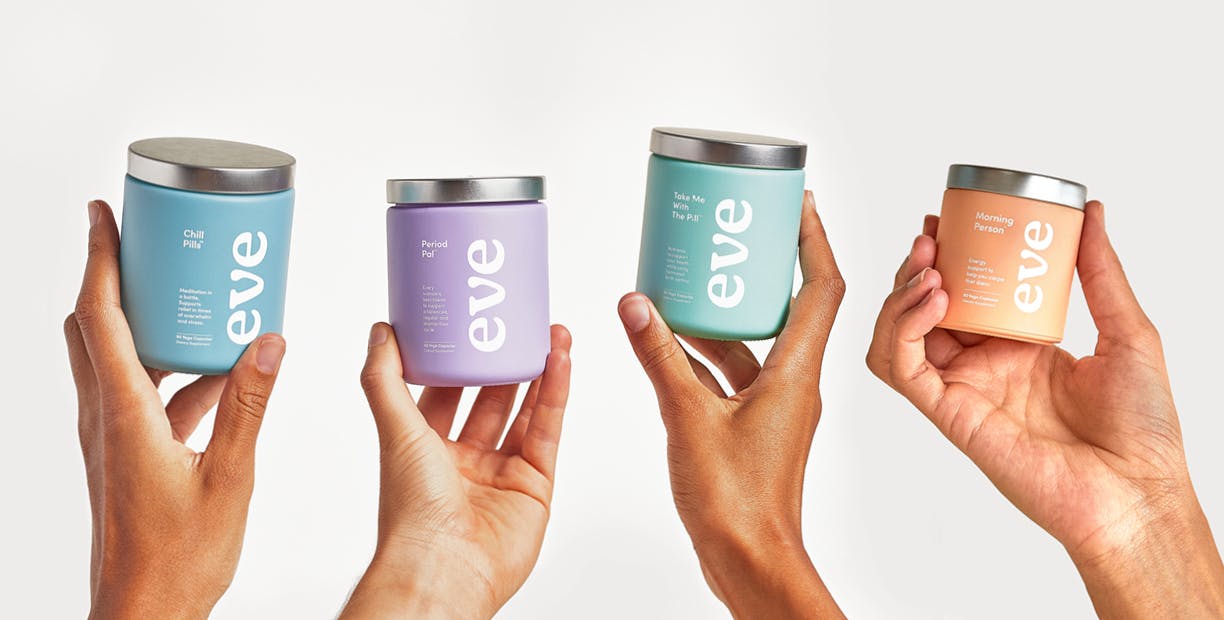
The Women's Wellness Brand Who Are Doing Things Differently
Reader, meet Eve. If you ever needed a friend who you could talk to about anything and everything to do with your health, hormones, and happiness - she’s your gal. In 2018, we conducted a survey of over 14,000 women to better understand their hormones and overall health so we could paint a picture of how women in New Zealand feel in themselves, and what role their bodies play in the determining of moods and wellness. What we found was astonishing and more insightful than we could ever have imagined. We found that there’s a real and present gap in knowledge when it comes to hormone health and the understanding we have with the fluctuations in our hormones and how that leads to changes in our bodies, minds, and emotions. What’s more, a whopping 87% of those surveyed reported experiencing signs of hormone imbalance on a regular basis. This means that most women often don’t feel like themselves and, to us, that’s just not good enough! So, with the backing of scientists and a kick-ass research team, Eve was born to both provide women with insight into our health with at-home testing kits, and help us all address concerns that arise with our new range of nutritional support products. Our hormones are like super powers - we just need to know how to harness them. And once we do, there’s no stopping us. Over the years, our eager audience has turned into a smart, vibrant, and engaged community who learn more about their health from Eve while at the same time giving us real insights into the health of New Zealand women. For people throughout New Zealand and beyond, Eve provides support, knowledge, and our shared learnings to those of us wanting to understand aspects of wellbeing, and how our hormone picture is a cornerstone of our health. We are all unique and once we know how to tune in with our body and know what it’s saying when it’s talking to us, we can address the root of some of the most common concerns that we face today: low energy, menstrual issues, mental health challenges, cramping and pain, weight issues, headaches, low libido, skin concerns, and irregular periods. Too often we are told or expected to accept these experiences as part of owning a uterus but here at Eve, we don’t think you need to live with it - we know you can really live as a woman empowered and in charge. Now, let’s meet our products! Period Pal For anyone who has a period, this daily dose of nutrients including ashwaganda, vitex, and gingko biloba encourages a drama-free, balanced cycle. If you, like 40% of women asked, experience severe PMS, then Period Pal is here to help. Chill Pills Meditation in a bottle. What could be better! Made from 100% Vanuatu Kava, one Chill Pill capsule will support your body and mind to stop racing and find calm. Three capsules take things up a notch and help ease your body to sleep if the worries of the day are hanging around a little too heavy. Morning Person Think of this as coffee but without the side-effects. Clean, happy energy that helps to combat fatigue. Fast-acting B-vitamins help turn food into fuel and Panax Ginseng is an immediate energy and focus booster. While we’re reaping the benefits of that, the adaptogenic herb Rhodiola Rosea is behind the scenes to rebuild better all-round energy levels. Take Me With The Pill Did you know that being on the pill means we need more nutrients than when we’re not? Designed for anyone on hormonal contraception, the antioxidants, vitamins, minerals, and probiotics in Take Me With The Pill get your nutrient stores back to optimal levels so that all the processes in your body that need nutrients to work effectively (so, everything) have enough fuel to do so! All of our supplements are veggie-friendly and if you’re in any doubt about which are for you, we’re always on hand to help. Together with Eve, you can find ways to be at one with your body so you always know what you need, and when you need it. Let’s start living life to the fullest, there’s nothing holding us back.Read More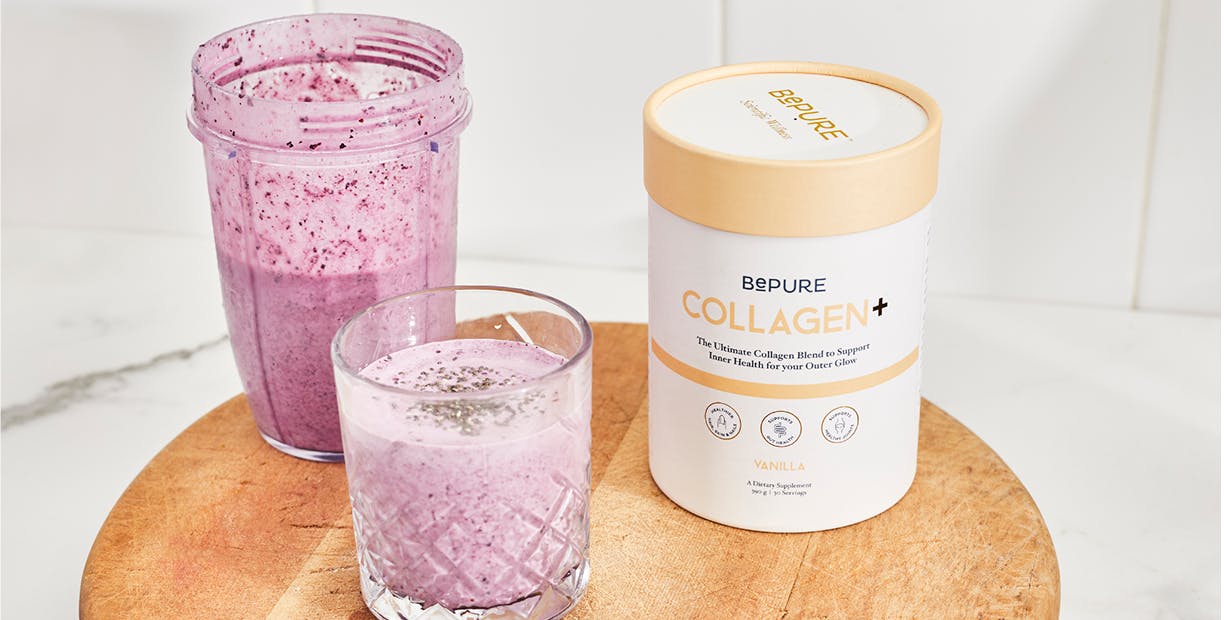
What is collagen and why do we need it?
The term collagen comes from the Greek word κολλα (kolla), meaning “glue” which makes sense because collagen is the glue of our body. It’s strong, springy, fibrous and is found in our body’s tissue. It’s actually the most abundant protein in our body. As we age, we produce less and less of it which is why, on a cosmetic-level, we lose a bit of our skin’s ‘bounce’ the older we get and why our joints need more love. However, when we consume collagen-rich food or supplements, the proteins break down into amino acids (glycine, proline, hydroxyproline, hydroxylysine, and arginine) and form that "glue" that our body needs. And we all want more ‘glue’. But not all sources of collagen are created equal... so let’s look at everything to know about collagen so you can make an informed choice about what’s right for you. What to look for in a quality collagen supplement 1. The Type Of Collagen There are at least 28 different types of collagen but the ones that form the bulk of the collagen in our body are types 1, 2, and 3. They support our body in different ways. Type 1 Collagen is found in marine, bovine, and egg collagen - Type 1 is easily absorbed, the most efficiently absorbed of all types, up to 1.5 x more. Marine collagen is more bioavailable and enters our bloodstream quickly and easily. Type 1 collagen accounts for up to 90% of the collagen in our body and can improve our joints, skin, organs, blood vessels, gastrointestinal tract, and bones. With all of those benefits, it’s no wonder we want to keep our stores high. Type 1 marine collagen is the type of collagen used in BePure Collagen+. And it’s sustainably sourced! Type 2 Collagen is also found in bovine as well as chicken collagen and makes up approximately 10% of the collagen in the body. It’s mainly located in our cartilage so supports the health of our joints. Small amounts of Type 3 Collagen are found in porcine and bovine collagen and is found in our body tissue. This is the type that determines the elasticity of our skin, our lungs, the strength of our intestinal walls, and the walls of our blood vessels. It’s use comes into play for building muscle and healing wounds. 2. The Molecular Weight of the Collagen The size of the collagen (its molecular weight) also matters because the smaller the molecule, the easier it is for our body to absorb it. Unfortunately, there’s no point in taking supplements of any kind if they’re not able to be absorbed so looking for products that are bioavailable should always be at the top of your list. To get into the science for a second, the molecular weight of something is measured by daltons (Da). When it comes to collagen, the ideal Da is <3,000. BePure Collagen+ is 2,000 Da. You might be thinking that if we get collagen from beef, pork, chicken, and fish then why can’t we just eat that instead? While it’s always good to eat healthy proteins like this, when it comes to collagen intake, the Da of collagen in, say, fish skin, is closer to 300,000 so, collagen-wise, isn’t the most efficient or effective route to take. That’s why we would recommend a fish or bone broth as another great source of collagen. 3. The Dose of Collagen per serve In order to see the benefits of collagen in our skin, hair, and nails we want at least 10g of collagen a day for optimal effectiveness. It can help our skin by improving its texture, its elasticity, and reducing inflammation. What’s the plus in Collagen+? In addition to the highly bioavailable marine collagen peptides, BePure’s Collagen+ contains functional keratin, silica, zinc, Polypodium Leucomotos, and vitamin C. Of all of those, the least recognisable is probably Polypodium Leucomotos. This is an antioxidant that works to prevent inflammation, or inflammaging! In addition to supporting the prevention of conditions like eczema, psoriasis, and rosacea, it acts a bit like an internal sunscreen to protect us from UV damage (of course you should always wear sunscreen, too). The vitamin C and bioflavonoids help with absorption so your collagen is working as hard as it can. The bottom line When looking for a collagen supplement, we want to make sure it’s: Bioavailable so we can absorb it effectively and efficiently The right type! Types 1, 2, and 3 are best for skin and joints The right molecular weight: So we can break it down and absorb it The right dose: We need 10g a day to see improvement in our skin, nails, and hair Added antioxidants: Anti-ageing from the inside out and added inflammatory properties BePure’s Collagen+ comes in two delicious, natural flavours: chai and vanilla. And, for a limited time until 19th September 2021 you can save 15%! With 30 servings per container, that’s just over $3 a serve! Mix into cold drinks or smoothies, or even just with water. We think you’ll love it.Read More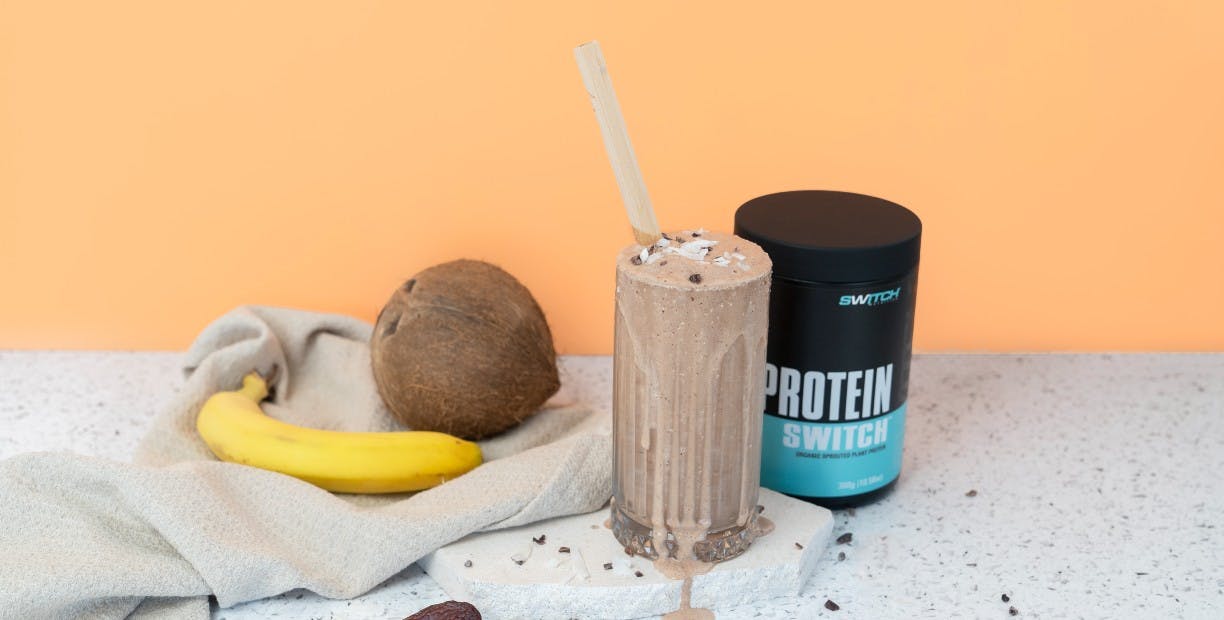
Choc Coconut Bounty Smoothie
Ingredients 1 serve Switch Nutrition Protein Switch 1 frozen banana 1 Medjool date 1 cup coconut milk 1 Tbsp cashew butter 1 tsp desiccated coconut 1 tsp cacao nibs ½ cup water Ice Method Blend all ingredients in a blender until smooth. Pour smoothie into a glass and top with coconut flakes and cacao nibs (optional).Read More
The no BS way to build muscle
If you are a newbie to the gym, building muscle may seem easy. However, it’s not going to be a linear growth curve throughout your training career. To achieve best results, you will need to learn how to train both smarter and harder - not just one or the other. You will need to understand the need to fuel your body with the right nutrients, at the right time, with structured nutrition and scientific supplementing. But don’t fret, this isn’t as scary as it sounds! There is a difference between strength training and hypertrophy training (training with the intent to increase muscle size); although doing one will generally help achieve the other. In both cases, training should occur 3 – 4 times per week and should last for no more than 1 hour. Exercises should also consist of a combination of compound (multi-joint movements eg: squats) and isolation (single-joint movements eg: leg extensions). 4 key tips to build muscle 1. Train using overloading training principles A good strategy to build muscle is to implement different strategies of progressive overload like the ones below. But remember you should always start lighter and get used to the movements. Train with a partner where possible for motivation and safety, and consult a personal trainer or professional if you have any questions. Drop sets: where you start with a heavy weight and complete reps until failure. Then drop the weight down and do more reps until failure etc. Super sets: where you do one movement heavy until failure and then do a different exercise working the same muscle group lighter with higher reps. Start-stops: where you complete reps to failure. Stop for 5 – 10 seconds and then go again and repeat. Pyramids: where your first set is heavy, but the next working set is heavier and the last working set is the heaviest. Some people like to do this in reverse. This is called reverse pyramid. Forced reps: where you push to failure and have a spotter help you get some forced reps. Negatives: where you do full the range of motion until failure and then get a spotter to help lift the concentric (upward) part of the lift and you lower it on your own slowly then repeat 2-3 more times. Partials: where you do full reps until failure and then attempt partial reps until failure. Tempo: where you vary the tempo up, pause and down. Eg: 3 seconds up, 3 second squeeze and 6 seconds down. This tempo can be changed to put more or less tension and overload on the working muscles. 2. Journal Athletes who keep a training journal are 300% more likely to reach their goals. Writing down how you feel before you start, energy, motivation etc can be helpful. Write down what you ate (if at all) before training and what supplements you took (if any). Write down your reps, sets, weight for each exercise and review your previous workout before you start so you can reassess your lifting goals. #YOUVSYOU 3. Use food as fuel Protein To build muscle you must fuel the machine. Getting adequate protein, but not too much that it slows MPS (Muscle Protein Synthesis), is critical to ensure you get amino acid at the right time to take advantage of anabolic muscle building growth phases. You should aim for 1.8 – 2.2g of protein per kg of lean body weight per day. You should try to get most of your protein from food throughout the day and only use supplements if there isn’t enough protein coming in from your food. Carbohydrates You may need to consider increasing your carbohydrate intake as carbs fuel muscle energy and stimulate insulin, which is a highly anabolic muscle-building hormone. Supplementing with carbs around training for muscle growth is not uncommon. A supplement like Switch Nutrition Essentials Carbs, which is a combination of two fast-acting carbs for rapid recovery and insulin release, may help. Fats Getting adequate fats is important for the production of cholesterol, which is the backbone of anabolic hormones like testosterone. You should focus on a combination of saturated, monounsaturated and polyunsaturated fats. Getting sufficient sunlight to activate vitamin D from cholesterol is also critical. Vitamin D has been shown to boost testosterone by 42% in men with low testosterone. 4. Supplement with key supplements Protein As discussed above, trying to get most of your protein from food is ideal. However, getting to the levels needed to support muscle hypertrophy (growth) can be difficult through your diet alone. Using a protein supplement such as Protein Switch™ may be required to help you to reach your daily goals. This is the most effective way to ensure you get a return on your training investment. Amino acids Amino acids are the simplest but most potent form of protein. It’s what you end up with once you digest protein down. Once absorbed amino acids are what make up the building blocks of all human tissue including muscle. Amino Switch™ consists of all 9 Essential Amino Acids (EAA’s) in the perfect muscle tissue ratio. 1 serve of Amino Switch™ is equivalent to 30g of WPI and absorbed 5x faster. It is also 200% better than BCAA’s alone. You can use Amino Switch™ during or after training instead of BCAA’s or WPI. Creatine Still one of the most clinically-proven muscle-building ingredients on the planet, creatine monohydrate has been clinically proven to boost strength, speed, performance and muscle size. We recommend you use 5 – 10g daily. Switch Nutrition Essentials Creatine is the highest quality HPLC tested 200 mesh micronised creatine available. Testosterone boosters There are several well-researched ingredients that have been clinically-shown to boost testosterone. You will find a combination of these vitamins, minerals and herbs in Alpha Switch™ at proven effective levels that will support energy, strength, blood flow and muscle growth along with libido. Beta Alanine Another great ingredient for increasing training load and performance is Beta Alanine. However, Beta Alanine needs to be consumed at 3.2 – 6.4g daily for no less than 21 days straight to see any real benefit in strength and training volume. Results for muscle gain are achieved after 6 – 8 weeks of supplementation so don’t rely on your pre-workout to supply what you need. Use a 100% Pure Beta Alanine like the HPLC tested version from Switch Nutrition. Pre-workout Pre-workouts will ideally have you training harder and lifting heavier with greater pumps! What you should look for is one that has natural, clean stimulants that your body can use effectively, and not build a tolerance to. Always look for an open label so you can see exactly what you are getting. We would recommend one that contains natural caffeine plus EnXtra®. EnXtra® is a patented compound found in Alpina Galanga. This compound can boost focus and alertness while amplifying caffeine by 30 – 50%. Also look for a pre-workout that contains VASO6®. This is an eNOS activator that helps convert citrulline and arginine into nitric oxide. This is the limiting factor and outperforms citrulline or arginine alone. Power Switch™ contains all these ingredients and much more. It’s also one of the more affordable and better tasting pre-workouts. Carbs Although not essential to supplement, carbs can help restore energy rapidly which may reduce muscle breakdown. They also boost insulin which is a powerfully anabolic (muscle building) hormone that can help shuttle amino acids into your cells to build muscle faster. We would recommend using a fast acting carbohydrate powder during or after your training with Amino Switch™. Carbs by Switch Nutrition is a combination of two rapidly absorbed carb sources and has zero fillers, flavours or colours. To summarise... Focus on the low hanging fruit… get into a calorie surplus. To add muscle tissue, you need to feed the body the nutrients to achieve this. Make sure you are looking closely at your macronutrients and micronutrients. Increase your training volume, but get adequate rest between sessions. Rest is how you grow. This means a lot of the growth you experience is immediately after training and during quality sleep. If you aren’t getting deep, REM sleep then consider Adrenal Switch™ before bed to lower cortisol and boost testosterone & growth hormone while getting a deep restorative sleep. Stay hydrated. Muscle cells grow more if there is adequate hydration. A 2% dehydration results in a 20% drop in performance and growth. Change!! Continue to periodically change your training time, structure and volume. This will get your body adapting to the new stimulus in a positive way. Enjoy the journey. If you don’t enjoy the training, the food and the supplements you will have difficulty sustaining and maintaining the results. Disclaimer: The above article is merely a guide and is in no way a recommendation or a treatment protocol for any health conditions or diseases. You should always consult with a qualified health care provider before changing your supplement, training, or nutritional strategy. Formulated Supplementary Sports Foods must not be used by pregnant or breastfeeding women, anyone consuming prescription medication or children under the age of 15 unless advised by a qualified health care provider.Read More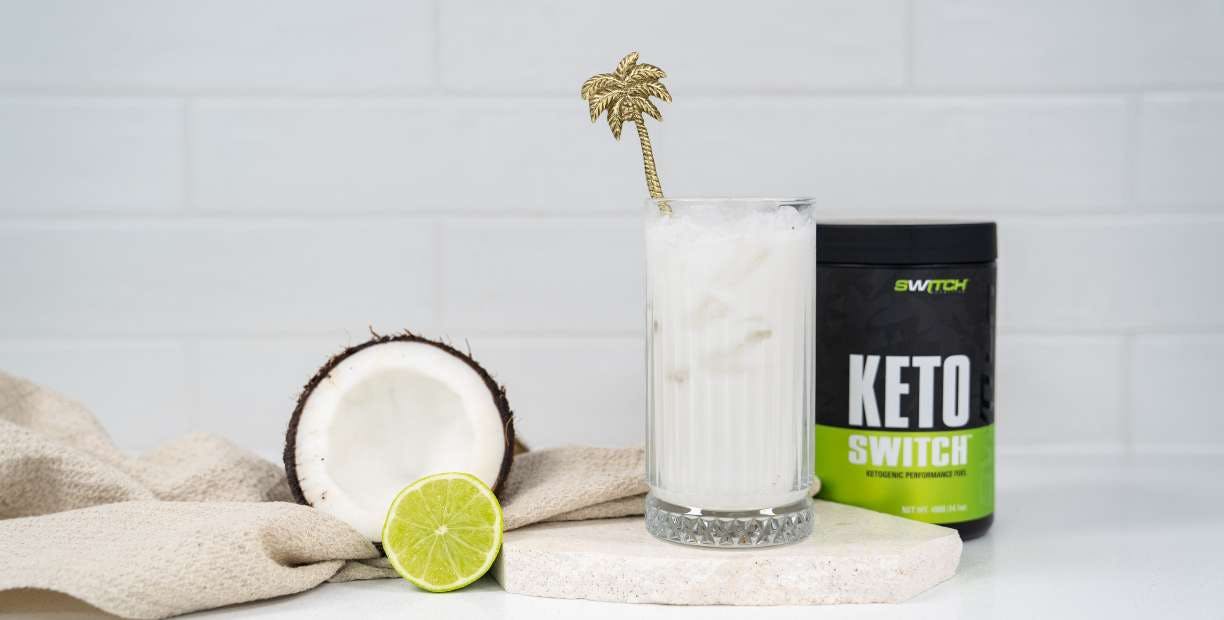
Pine Lime Splice Smoothie
Ingredients 1 cup coconut cream Squeeze of fresh lime 1 serve Keto Switch - Pineapple Lime 1 cup water Ice Method Combine Keto Switch, coconut cream, fresh lime, and water in a shaker and shake well. Pour over a glass full of ice to enjoy.Read More
Top 10 fat burning foods
Top 10 fat burning foods The quickest way to burn fat is to reduce calorie intake and boost your metabolic rate. There are some effective supplements on the market that achieve this, like ketones. However, here are also a few foods that can help too: 1. Coffee 2. Coconut Oil 3. Fatty Fish 4. Eggs 5. Protein 6. Green Tea Extract 7. Probiotics 8. Apple Cider Vinegar 9. Turmeric 10. Chocolate In this article we will further discuss these top 10 fat burning foods and how you can incorporate them in your diet. 1. Coffee Arguably not a food but a beverage, coffee is regularly added to a lot of foods and supplements today. Coffee is the most consumed drink on the planet, surpassing tea. It is a source of many polyphenols, flavonoids and caffeine which have been shown to boost mood, energy, focus, alertness and physical performance. In one study, the group who consumed caffeine burned 2x more fat and were able to exercise 17% longer than the non-caffeine drinkers. Caffeine can also increase your metabolic rate between 3 – 13% depending on the amount of caffeine consumed. In another study where lean and obese individuals were given 100mg of caffeine every 2 hours for 12 hours, participants saw an increase in 150 calories burned compared to placebo. Beyond the caffeine in coffee, there are also other compounds (especially in green coffee bean of whole coffee fruit extract) that may support fat burning. One of these compounds is known as Chlorogenic acid. Chlorogenic acid exerts many benefits. However, the most effective mechanism of action is the inhibition of the enzyme alpha-glucosidase. This enzyme is responsible for the breakdown and metabolism of carbohydrates. Therefore, inhibition of this enzyme may result in less energy absorbed from carbs eaten. Chlorogenic acid also increases PPAR-α which is responsible for thermogenesis and increasing heat production through the burning of body fat. Several studies support the fat burning benefits of caffeine and chlorogenic acid found in coffee. To get concentrated levels of these compounds together, try swapping out your standard coffee for Coffee Switch™, which contains single origin arabica coffee plus whole coffee fruit extract. 2. Coconut Oil Coconut oil has many different benefits. It is anti-viral, anti-fungal, anti-microbial and immune-boosting. Coconut oil consists of a very unique form of fats called MCT’s (Medium Chain Triglycerides). MCT’s are fast-burning, appetite-suppressing, brain-boosting, metabolism-increasing fats that may support fat loss. In your body, MCT's convert into ketones and many of the benefits may come from these signalling metabolites. In one study, men who added 2 Tbsp of coconut oil to their diet daily without any other changes in food or exercise saw a 1-inch decrease is waist circumference over 4 weeks. In another study individuals who consumed 15 – 30g of MCT's per day saw an increase in metabolic rate of 5% over 24 hours. That is equivalent to burning an extra 120 kcal per day. In addition, MCT’s may reduce muscle loss, increase metabolism and control hunger. All of these benefits combined are likely to significantly improve body composition. We would recommend using 1 – 2 Tbsp of coconut oil per day to replace other fats in your diet and consume MCT's where possible. You will find MCT's in Switch Nutrition products Keto Switch™, Coffee Switch™ or MCT Oil Powder, which can be added to coffee, shakes, smoothies, greens, baking, oats and much more. PRO TIP: Consider using Keto Switch™ between meals or during fasting for hunger control, brain boost and stimulant-free energy. It’s arguably one of the most effective appetite suppressants and by this action one of the most effective fat burners. 3. Fatty fish Who knew that adding fats (Coconut, MCT's & Fatty Fish) could burn fat?! Here’s the thing… consumption of fats stimulates the lipase enzyme which is a potent enzyme that breaks down body fat. Plus, fats are more filling so may reduce calorie intake. Additionally, fats do NOT increase insulin, so don’t shut off beta oxidation (fat burning) as quickly or easily. Fatty fish is loaded with omega 3 which is incredibly good for you. Omega 3 has been clinically proven to improve heart health, reduce cortisol, boost brain health, lower inflammation and support fat burning. In one study over 6 weeks, individuals who consumed 4g of fish oil saw an average weight loss of 0.5kg in fat mass, while they also increased their lean muscle mass. The supplemental group also saw a decrease in cortisol. Fatty fish can often be difficult to eat regularly so fish oil supplements are recommended. Make sure the fish oil supplements you choose are mercury tested and free of any additives, like the ones we sell here. 4. Eggs Eggs are among one of the most nutritious foods on the planet. They are a virtual powerhouse when it comes to health, weight loss and muscle recovery. Studies have repeatedly shown eggs to have greater satiation than other foods, meaning they should leave you feeling fuller for longer. Some of these benefits may be due to the protein, some due to the fats and some due to the vitamins, minerals and antioxidants naturally occurring in eggs. Whatever the reason, staying satiated is sure to reduce your calorie intake which may help to maintain your body composition goals. In one study where they compared eggs in the diet matched in calories to other foods, the egg group lost 65% more fat than the placebo group over 8 weeks. We recommend eating 3 – 4 eggs a day, 3 – 5 days a week to support health and fat burning. Try to buy free range pastured eggs where possible and don’t throw away the yolk - half the protein is in there and 90% of the nourishment. 5. Protein Some of the fat burning benefits of eggs and fatty fish come from their protein content. This is because protein is more satiating than other foods and increases your resting metabolic rate by 25% more than other foods. Protein stimulates satiation hormones like PYY and GLP-1, which may result in you eating less due to hunger control. However, studies have also shown that high protein diets lead to more weight loss than low protein diets even when calories are controlled. When overweight adults increased their protein intake from 15% to 30% of their daily calories, they saw an average 5kg of weight loss in 12 weeks. Choosing the right protein for the right time may prove to be critical. Studies have shown plant proteins are more satiating because they take longer to digest and use more energy in digestion. This difference in calories in and calories burned may result in considerable fat loss. We recommend getting as much of your protein through the day from food. However, if a meal is low in protein use a diverse plant protein like Protein Switch™ as your daytime option if weight loss is your goal. After exercising you would think Whey Protein would be the best option due to its fast digestion. However, free form amino acids (which require zero digestion) could be superior. For this purpose, we recommend Amino Switch™ after exercise for complete muscle recovery. 6. Green Tea Extract Again, not generally thought of as a food, green tea extract is often added to supplements and foods. In addition to providing a small amount of caffeine, green tea is rich in a catechin called Epigallocatchin gallate (EGCG). This compound is responsible for promoting fat burning and a reduction in belly fat. In a study of cyclists who consumed GTE (Green Tea Extract) before or a placebo, the cyclists increased fat oxidation (burning) by 17% more than placebo and saw a decrease in insulin by 13%. This means you GTE is not only capable of burning fat but supporting carbohydrate metabolism, which may reduce weight gain in the first place or the regaining of body fat. GTE also has some pretty powerful health benefits and has been shown to reduce oxidation and support heart health. For these reasons and more you will find GTE in Thermal Switch™ and Vitality Switch™. We recommend consuming Thermal Switch™ prior to exercise or whenever you need a boost and Vitality Switch™ once a day with food to enhance your daily nourishment. 7. Probiotics Probiotics are live microorganisms that have psychological and physiological benefits in your body when consumed. You will find probiotics naturally occurring in fermented foods like yoghurt, sauerkraut, kimchi, kefir etc. Our gut contains over 100 trillion microorganisms. Some are helpful and others are harmful. Some help get the calories out of your food and some get the micronutrients out of your food. There are two main types of good bacteria in the gut: bacteroidetes and firmicutes. Body weight seems to be connected to the balance of these two families of bacteria. Because firmicutes are responsible for breaking down and absorbing the calories from the food you eat they may contribute to weight gain and obesity. Overweight people tend to have less diverse gut microbiome. Your gut microbiome becomes less diverse if you eat a less diverse range of fruits and vegetables. Too much processed food or sugar can also decrease diversity as the bugs that love sugar over run the ones that don’t. Then as they become overpopulated, they demand more sugar and this is how the cravings start. We recommend cutting back on sugar to keep it around 5% of your total calories per day. Increase the diversity of wholefoods, fruits, vegetables and leafy greens. Also add in 1 serve daily of Vitality Switch™ which provides 33 different botanicals and 3 carefully selected probiotics that can support a balanced gut microbiome. 8. Apple Cider Vinegar Apple Cider Vinegar (ACV) can reduce appetite and lower blood sugar levels and insulin in type 2 diabetics. In one 12 week study where 144 subjects added 2 Tbsp of ACV per day they lost around 1.7kg of weight. ACV contains acetic acid and good bacteria that can kill pathogenic bacteria and may also help balance the gut microbiome to support better weight management. We recommend starting with 1-2 Tsp of ACV per day and increasing slowly to 2 Tbsp over 4-6 weeks. 9. Turmeric Turmeric is a powerful anti-inflammatory spice used in Asian and Indian cuisine. It has a long history of use in Ayurvedic medicine. Most of turmeric’s medicinal and fat burning properties are due to a naturally occurring compound called curcumin. Recent studies suggest that curcumin may be beneficial in fat loss. In fact, curcumin may help promote weight loss, reduce fat tissue growth, curb weight regain, and enhance your sensitivity to insulin. Furthermore, one study found that supplementing with curcumin for 30 days assisted individuals to lose body fat who were previously unable to lose weight. You will find C3® curcumin in Estro Switch™ and HydroCurc® in Coffee Switch™ to help support your brain function, health, wellbeing and fat loss. 10. Chocolate This might sound counterintuitive because people think eating chocolate is what makes them fat. It’s not the cacao in chocolate contributing to weight gain. It is most likely the combination of fats and sugar. However, if you could get the theobromine from the Theobroma cacao (cocoa bean) then you would see a very different result. Theobromine which is naturally found in chocolate, is a neurostimulator, appetite suppressor and vasodilator. It has similar structure to caffeine, so it’s no surprise that it will help with weight management and energy. Theobromine works by reducing cravings and enhancing beta oxidation (breakdown of fats for fuel). You will find theobromine naturally occurring in cacao nibs, dark chocolate (70%+), Thermal Switch™, Power Switch™ & Coffee Switch™. Summary There are many foods that can contribute to weight gain but there are some that can prevent or even reverse weight gain. It is important to focus on the right foods, supplements and nutrients. Get plenty of fibre in your diet (30g daily) from leafy greens, cruciferous vegetables and colourful fruits with the peels on where possible. Try to by spray free or wash your fruits and veges thoroughly. The pesticide found on the food you eat can kill the gut bugs resulting in dysbiosis (gut microbiome imbalance). This dysbiosis can contribute to weight gain or an inability to lose weight. In fact, Sucralose (commonly used artificial sweetener) was developed as a pesticide and kills off the good microbes in the gut. This means even the artificially sweetened fat burner you are using could be making things worse long term. Therefore, we recommend buying supplements that are naturally sweetened with stevia or monk fruit like Switch Nutrition. Use Coffee Switch™ in the morning as a coffee replacement. Try Thermal Switch™ before exercise and Keto Switch™ between meals. Consider 4000mg a day of fish oil and 1-2 Tlbs a day of ACV. Make sure you eat more protein and less carbs while consuming good quality fat from coconut, grass fed butter, avocado, and olive oil. If you can’t meet your protein needs of 30% of your daily calories or 1.5g per kg of body weight, then consider supplementing with Protein Switch™ to keep you satiated and boost your metabolism. Remember, healthy choices lead to healthy results and make sure any changes you implement are enjoyable as that will ensure sustainability.Read More
Stress Fat - Is Stress Causing Your Belly Fat And Tiredness?
Have you ever asked one of the following questions… “how do I just shift fat off my belly?” or, “I can’t lose weight no matter what I do” or “I lose weight and it comes straight back!!!”. Did you know STRESS could be the major culprit? Being in a calorie deficit is important and so is monitoring your macro’s, however your hormones and looking after the glands that produce them are equally important. In fact, your thyroid controls your metabolic rate. It regulates how many calories you burn and store. STRESS is a major contributor to thyroid or metabolic dysfunction. So, what is the major stress hormone that is a problem? Cortisol: This life sustaining stress hormone released by your adrenal glands has many benefits acutely to get you out of danger and improve your response to stress. However, chronically may lead to many health concerns including… Weight Gain Inability To Lose Weight Muscle Loss Slow Thyroid Function Estrogen Dominance Blood Sugar Issues (Type 2 Diabetes) Leaky Gut Lowered Sex Drive Skin Breakouts Hair Loss Low Energy Anxiety Constipation or Diarrhea Loss Of Happiness Lack Of Motivation How does stress (cortisol) effect thyroid function and result in weight gain? Cortisol works on a negative feedback loop with the hypothalamus and pituitary gland in the brain. The hypothalamus signals the pituitary to tell the adrenals (HPA Axis) to release cortisol. So, when cortisol is in the blood the body tells the hypothalamus to slow down. The problem is the Hypothalamus also controls the thyroid gland and as it slows so does your thyroid. This makes sense because in a state of stress (cortisol) your body wants to conserve energy, so slowing your thyroid function which slows your metabolism, achieves this survival mechanism. You have two major types of thyroid hormones… T4 (Inactive) and T3 (Active). Your thyroid produces exclusively T4 and then your body converts it to the active T3. However, elevated cortisol reduces the enzymes responsible for this conversion. So even when your levels of TSH (Thyroid Stimulating Hormone) and T4 are normal (within range), you may still have low T3 and a slow metabolism resulting in weight gain, tiredness and an inability to lose weight. Reverse T3 (RT3) is the antagonist (opposite) to T3. The best way to think about this relationship is T3 is an accelerator for your metabolism and RT3 is the brakes. RT3 binds to the same thyroid receptors on the surface of cells preventing T3 attaching. Stress increases the production of RT3 keeping the brakes on your metabolism and fat burning. With stress comes inflammation, insulin resistance, tiredness and a lack of motivation. This can reduce your desire to exercise and your body’s ability to use carbohydrates effectively. This leads to carbs storing as body fat. Inflammation also causes the release of cytokines which reduces thyroid receptor sensitivity so any circulating free T3 can’t fully activate your metabolism. Chronic release of cortisol also leads to Estrogen dominance. Excess estrogen increases the number of fat cells in your body. The accumulation of this fat is generally around the belly, hips butt and thigh. Excess estrogen also increases Thyroid Binding Globulin (TBG). TBG is a protein that helps thyroid hormone travel through your body, but when T4 is bound to too much TBG it is inactive and can’t convert to Free T3. Stress can affect gut permeability causing leaky gut. Leaky gut has been linked as a cause of auto immune disease which may manifest as Hashimoto’s otherwise known as ‘thyroid auto immune disease’. When your immune system starts attacking your thyroid gland you are sure to experience negative effects to your metabolism, sleep, mood, skin, hair, weight gain and overall energy and health. Think of stress (cortisol) as the starting domino that knocks over the others. STRESS -> Thyroid Dysfunction -> Estrogen Dominance -> Weight Gain -> Tiredness Here are 12 steps to reduce cortisol, boost your metabolism, reduce belly fat and get your energy back. 1. Sleep Getting adequate amounts of sleep is critical for hormone balance. 7.5 hours unbroken sleep is preferential. However, taking naps away from your main sleep cycle to catch up is a good idea if you cannot get 7.5 hours. If you have difficulty switching off, try Adrenal Switch™ after dinner. It’s a delicious treat that will curb your sugar cravings and support a restful and restorative night’s sleep. You will have more energy the next day and feel motivated to achieve. 2. Selenium Make sure you are getting enough of this micromineral. The enzyme that converts T4 into the active T3 is selenium dependent. You will find selenium in Estro Switch™ which combines with a number of all-natural herbal and nutritive ingredients to support your metabolism, manage stress, balance hormones, support energy and improve hair, skin and nails. 3. Meditate, Yoga, Breath Work or Mindfulness Having time to yourself away from the daily grind and constant stimulation can be the most important thing you can do for your health and metabolism. Reducing anxiety with breath work and slowing your breathing can quickly reduce your stress. 4. Greens Eat them, drink them… just make sure you get them. Leafy greens are a great source of phytonutrients that are precursors to thyroid hormones and other critical hormones and enzymes. They also help chelate toxins out of the body for improved metabolic health. Vitality Switch™ is an award winning, great tasting source of polyphenols, antioxidants, vitamins and minerals. In fact, 1 serve is equivalent to 8 serves of veges. This is a daily non-negotiable. 5. Zinc More than 75% of the population is Zinc insufficient. This mineral is responsible for over 300 biochemical reactions in your body including the conversion of T4 to T3 like selenium. Zinc is also critical in balancing sex hormones and improves insulin sensitivity. It can be found in Adrenal Switch™, Alpha Switch™ & Estro Switch™. 6. Tyrosine This non-essential amino acid makes up the backbone of thyroid hormones. The ‘T’ in T4 stands for Tyrosine and the 4 is the amount of iodine attached. You will find Tyrosine in the natural thermogenic Thermal Switch™ or Keto Switch™ for this reason, and to help boost your metabolism, focus and energy. 7. Avoid Fluoride This compound is a halide that displaces or competes with Iodine and may prevent sufficient iodine being available to make your thyroid hormones. 8. Salt and Sun in the Morning Pink salt or Himalayan salt in your water first thing in the morning helps kickstart your adrenals and enhances the production of cortisol. This is a good thing as this is the time when cortisol should be at its highest. Bright sunlight on your skin and eyeballs (don’t look directly into the sun) can also help as an early morning ritual to manage stress & weight. 9. Coffee The most consumed beverage on the planet is loaded with antioxidants and metabolic boosting compounds. However, having a coffee too close to bed can disrupt your sleep. You can now get coffee (like Coffee Switch™) that is loaded with adaptogens and nutrients to help provide more focus, alertness and mood elevation that may result in a lowered stress response and greater weight loss. 10. Alcohol Although alcohol seems like a sedative and a relaxant, it often contains extra calories and can disrupt your deep (delta) sleep. This is the sleep that is restorative, fat burning and muscle building. This is also the sleep that reduces responsive stress. Therefore, minimising belly fat and increasing energy the next day. 11. Music Listening to nostalgic music that makes you happy and gets you singing is scientifically proven to boost your mood and lower your cortisol (stress hormones). If you want to burn some extra calories… dance! As you can see there is a very real relationship between stress and a lowered metabolism (thyroid function), leading to body fat accumulation (especially around the belly) or an inability to burn fat no matter how hard you try. In fact, if you continue to exercise vigorously in this state of dysfunction you may cause further damage and extend recovery time. Controlling cortisol by implementing these strategies may help increase your energy, fat burning, boost mood, focus and general health while reducing your stress and hormone imbalances. PRO TIP: Having Adrenal Switch™ as a dessert by mixing 1 serve into coconut or Greek yoghurt is not only delicious but helps reduce sugar cravings and supports better quality regenerative sleep where you wake up feeling amazing. Disclaimer: The above article is merely a guide and is in no way a recommendation or a treatment protocol for any health conditions or diseases. You should always consult with a qualified health care provider before changing your supplement, training, or nutritional strategy. Supplementation should not be attempted by pregnant or breastfeeding women, anyone on prescription medication or children under the age of 15 unless advised by your qualified health care provider.Read More
Choc Vitality Bircher Muesli
Ingredients 1 serve Vitality Switch - Chocolate 1 Cup Rolled Oats ¼ Cup Shredded Coconut 1 Tbsp Hemp Seeds 1 Tbsp Pepitas 1 Cup Milk (Almond or Coconut) Method Combine all dry ingredients in a bowl. Stir through milk, cover and refrigerate overnight. Serve topped with yoghurt, fresh fruit and extra seeds.Read More
5 surefire ways to increase energy all day
5 SUREFIRE WAYS TO INCREASE ENERGY ALL DAY In a world where being highly motivated, focussed and energised are daily requirements to succeed, we need all the help we can get…and some days coffee alone just doesn’t cut it! In this article we will look at the top 5 ways to increase energy all day. 1. Sleep Sleep – This might sound strange but sleep duration and quality is the most effective predictor of energy the next day. If you are feeling lethargic, tired or irritable, sleep should be your priority. Simply achieving 7.5 hours of unbroken quality sleep can be life changing for daily energy and motivation. Here are some quick tips to get the best sleep. Sleep before midnight is 2x more beneficial than after midnight. Plan to be in bed 8 hours before you need to wake up. 30 mins to doze off and get settled. Use Magnesium which has been shown to improve sleep quality and increase energy through the day. Read a book to wind down. Don’t rely on digital games, social media or watching TV. Don’t eat within 2 hours of bedtime. The digestion and blood sugar fluctuations can prevent getting to sleep and staying asleep. Don’t drink too much water before bed. Getting up to go to the toilet can disrupt quality sleep. Reduce alcohol. Even though it is a sedative it can reduce deep sleep where recovery happens. Reduce caffeine and stimulants after 2pm. Caffeine will still be in your system 6-8 hours after consumption. Use Ashwagandha. This Ayurvedic herb has been shown to reduce cortisol and promote better sleep quality. Pro Tip: Switch Nutrition Adrenal Switch™ is your go to product containing Ashwagandha and Magnesium to reduce stress, improve sleep and increase energy the next day! 2. Caffeine Still KING for energy… however, you can get too much of a good thing and certain forms are better than others. Yes, caffeine boosts energy, alertness, focus, motivation, and performance. However, too much caffeine can cause a crash, tiredness, diarrhoea and an increasing dependence or addiction. It is not uncommon for people to start with 100mg (1 cup of coffee) and before long need 300mg (triple shot) to get the same benefit. This is called adrenal resistance. Your body is producing adrenaline in response to the caffeine, but you are not responding to it as well. This can be unhealthy as your adrenals are working overtime to call up the energy, but your brain and muscles are not picking up the phone. Natural caffeine provides all the benefits of synthetic caffeine anhydrous but has a smoother, longer lasting feeling without the crash or chemical residues of synthetic caffeine. You will find natural caffeine in Switch Nutrition Coffee Switch™ (for your coffee lovers), Power Switch™ (Pre-Workout) and Thermal Switch™ (for the fat burning energy chaser). 3. Move Regular exercise is far more effective at boosting energy than a remaining sedentary and conserving energy. Moving at regular intervals helps boost blood flow and improve insulin sensitivity which results in more energy being utilised by your working muscles and your brain. In fact, one study found that sedentary people with persistent tiredness and fatigue reduced their tiredness by 65% with regular exercise. In another study just 10 minutes of walking increased energy more than a sugary snack. So, get away from your desk for 10 minutes each hour and go for a walk or do some movement that increases your heart rate and improves your blood flow. 4. Nootropics There is a new class of botanical compounds that help enhance focus and mental energy while reducing fatigue. They are called Nootropics! Nootropic is the term given to a compound that boosts cognitive function. Some nootropics are gabanergic (calming) and others are adrenergic (excitatory). Some boost mood, focus, mind-muscle connection, and others enhance learning or memory recall. EnXtra® EnXtra® - Alpina Galanga is the source of this NEW patented natural compound that amplifies the benefit of caffeine by 30% for up to 5 hours without jitters or a crash. It is thought to act as an adaptogen allowing your body and brain to respond positively to stimulants and stress. EnXtra® boosts dopamine receptors and down regulates adenosine. This means it may enhance motivation, happiness, satisfaction and focus while reducing fatigue and tiredness. EnXtra® has been shown to increase alertness with or without caffeine by 100% over placebo. In 2019 it won the prestigious Nutraingredients Best New Ingredient Award. You should make sure this ingredient is in your next pre-workout or focus supplement. Hordenine Hordenine – Found in Hordeum vulgare, this neuro stimulant works by inhibiting MAO (MonoAmine Oxidase). This inhibition reduces the metabolism and breakdown of catecholamines (adrenaline, dopamine etc). Simply put, Hordenine keeps you focused and motivated for longer. In a 2009 study hordenine showed to peak energy at 60 – 90 minutes after consumption and significantly increase energy burned over placebo. You will find hordenine in Thermal Switch™ & Power Switch™. Theobromine Theobromine – Found in Theobroma cacao (chocolate), this unique stimulant also possesses vasodilating benefits. This means it may boost your energy and focus while enhancing blood flow for greater muscle performance and recovery. In addition to this, Theobromine has bronchodilation benefits that may support better respiratory performance. Theobromine can be found in the following big hitting energy formulas… Coffee Switch™, Thermal Switch™ & Power Switch™. NeuroFactor® NeuroFactor® - Coffea Arabica Fruit Extract is the source of this highly researched ingredient. It has been shown in clinical trials to boost BDNF (Brain Derived Neurotropic Factor) by 143%. BDNF is a protein peptide that helps improve the architecture of the brain to boost its processing speed and memory recall. In fact, as we age, lowered levels of BDNF is thought to result in lowered mental performance and potential onset of age-related cognitive decline and a decrease in mental energy. Neurofactor® may be more helpful for learning and memory. However, it does help support focus and energy so it’s a nice addition to your pre-workout (Power Switch™), thermogenic (Thermal Switch™) or nootropic coffee supplement (Coffee Switch™). Ketones Exogenous Ketones are a recent supplement super star. They entered the market in 2017 and have continued to show promise in study after study. They work by essentially putting your body into a temporary state of ketosis even if you aren’t following a ketogenic diet. Once the ketones are circulating in your body they not only provide energy to your cells but they signal certain processes to occur. Up Regulate Mitochondrial Biogenesis – Ketones signal your body to produce more new healthy mitochondria. The mitochondria are the powerhouse of your cells. This is where your energy gets converted from fats and some carbs. Down Regulate Ghrelin – Ghrelin is a hunger hormone. Ketones have the ability to reduce ghrelin which can significantly reduce cravings and hunger. This may stop you looking for that quick fix snack. Increase BDNF – Like NeuroFactor®, ketones can boost brain function, and like MCT oil, they pass through the blood brain barrier providing energy to your brain to boost alertness and focus without stimulation of your central nervous system and without an increase in blood pressure or heart rate. You will find Ketones in Keto Switch™ or a precursor to ketones in MCT Oil Powder. They both help boost mood, focus, energy and productivity. 5. Eat Wholefoods Nutritious healthy balanced meals can make all the difference to your daily energy needs. When you eat rubbish, you will feel rubbish. What goes up must come down. What I mean by this is too many simple carbs or sugary foods can temporarily boost energy and will increase blood sugar. However, once insulin comes in and disperses the sugar into storage (sometimes fat cells), your blood sugars crash, your mood crashes, your energy crashes and you become grumpy, tired and less productive. Eating meals high in quality protein (30% total calories), good fats (30% total calories) and a moderate amount of complex carbohydrates (40% of total calories) with around 5 – 10g of fibre (per meal) and loads of colourful veges and some fruit, will set you up for consistently good energy all day. If you can’t get enough greens or plant diversity in your diet, then consider supplementing with a great energy superfood formula Vitality Switch™. The name says it all… VITALITY!! All day energy and exuberance for life. It’s also worth mentioning certain artificial colours and preservatives have been linked to fatigue, tiredness, loss of performance and overall health decline. Be sure to minimise the bright colour artificially sweetened drinks in favour of natural options where possible. Pro Tip: Do not consume caffeine or a combination of caffeine and other nootropics too close to bed as they can disrupt your sleep. Quality sleep leads to quality brain function, less sugar cravings, better cortisol rhythm and greater energy. 😊 Disclaimer: The above article is merely a guide and is in no way a recommendation or a treatment protocol for any health conditions or diseases. You should always consult with a qualified health care provider before changing your supplement, training, or nutritional strategy. Formulated Supplementary Sports Foods must not be used by pregnant or breastfeeding women, anyone consuming prescription medication or children under the age of 15 unless advised by a qualified health care provider.Read More
Fudgy Mocha Brownies
Fudgy Mocha Brownies INGREDIENTS ¼ cup Greek yoghurt 1 sachet Coffee Switch – Cafe Mocha ¾ cup whole wheat flour ¾ cup cocoa powder ¼ tsp baking powder ¼ tsp salt 2 Tbsp butter or coconut oil (cooled slightly) 2 eggs at room temp 1 tsp vanilla extract ½ cup maple syrup Drizzle 5 tsp confectioners-style stevia 1 sachet Coffee Switch – Cafe Mocha METHOD Preheat oven to 150 degrees and lightly coat an 8” square baking tray. Stir the Greek yoghurt and instant coffee in a small bowl until smooth. In a medium bowl whisk together the flour, cocoa powder, baking powder and salt. In a separate bowl whisk together the butter, eggs and vanilla. Mix the Greek yogurt mixture into the egg mixture until no large lumps remain. Stir in the maple syrup. Mix in the flour mixture, stirring just until incorporated and smearing out any clumps of cocoa powder alongside the bowl. Spread the batter into the prepared pan. Bake at 150 degrees for 15-19 minutes. Cool completely to room temperature in the pan and let the brownies sit for at least 3 hours at room temp for the fudgiest brownies before serving. To prepare the drizzle stir the stevia and coffee in a small bowl and drizzle on top of the individual brownies just before serving.Read More
The Ultimate Guide To Protein
Protein. It’s been a buzzword in the fitness industry for a long time. Speak to any gym junkie about what supplements they take, and you’re almost guaranteed to hear protein powder at the top of the list. But, there’s so much conflicting information about health and fitness supplements. Why do we need protein and when should we take it? Why are there so many types of protein powders and what are they for? It’s overwhelming - and trust us, we get it. That’s why we’ve put together the ultimate guide to protein. If you’re starting a fitness journey or if you’re keen to learn more about what protein can do for your progress in the gym - keep reading, ‘cause we’ve got you covered. What is protein? Okay, let’s get down to the basics. Protein is a macronutrient, just like fats and carbohydrates. This means the body needs to consume large quantities of protein throughout the day, in order to function effectively and efficiently. Proteins are commonly described as the ‘building blocks of the body because they’re a part of everything. From our hair, skin and nails, to our muscles, bones and cartilage - we’d be a big blob of goo without them! Our bodies have trillions of cells, and each cell has thousands of proteins inside it, telling the cell what to do and making sure it does a good job of it, too. Did you know? Proteins aren’t just inside human beings. They’re in all living things, from viruses and bacteria to insects and plants - we’re all made of proteins. What is a protein made of? Now, you might be wondering, if we’re all made of proteins - what are proteins made of? - (We hope you’re comfy, ‘cause this is where we start getting into the real science stuff). Proteins are made up of amino acids. There are 20 amino acids in total and these little guys are made of carbon, hydrogen, nitrogen, oxygen or sulphur. Amino acids can be split up into 9 essential amino acids (amino that can’t be produced naturally and must be absorbed from food) and 11 non-essential amino acids (amino that is made by the body naturally). Amino acids are powerful, organic compounds that work together to keep you fit, healthy and strong. They’re involved in regulating all sorts of biological functions and processes, like your mood, sleep, energy, muscle repair, muscle growth and immunity. We’ve put together a little breakdown of all the amino acids in the human body and their specific functions. Essential amino acids Histidine - immunity, digestion, sexual function and sleep cycles Isoleucine - metabolism, immunity and energy Leucine - muscle repair, muscle growth, wound-healing and blood sugar levels Valine - muscle growth and energy Lysine - hormone regulation, immunity, energy and elasticity of the skin Methionine - metabolism and detoxification Phenylalanine - involved in the production of dopamine and other amino acids Threonine - metabolism, immunity and elasticity of the skin Tryptophan - involved in the production of serotonin which regulates, appetite, mood and sleep. Non-essential amino acids Alanine - immunity and energy Arginine - blood flow and circulation Asparagine - used in protein synthesis Aspartic Acidhormone regulation, muscle growth and energy Cysteine - immunity, energy and detoxification Glutamic Acid - learning and memory Glutamine - intestinal health and tissue repair Glycine - muscle growth and hormone regulation Proline - wound-healing, immunity and detoxification Serine - involved in the production of other amino acids Tyrosine - attention, energy, focus and mood. How much protein should you consume daily? Our macronutrient requirements differ from person to person depending on all sorts of factors, such as our height, age, gender, general health, and how active we are throughout the day. However, the average recommended daily intake of protein for women in New Zealand is 46g and about 64g for men. Alternatively, it can be calculated by body weight - anywhere between 0.5 and 1g of protein per kilogram of body weight, will do the trick. But, there are exceptions to the rule. Protein requirements are usually higher for professional athletes, pregnant women, growing teenagers and people recovering from injury and illness such as cancer, as the body is working a lot harder to repair and grow. What are the benefits of protein? We simply can’t stress enough how important it is to get plenty of protein in your diet, to feel, look and perform to the best of your ability, day-in and day-out. And if you’re physically active, trying to lose fat or build muscle, it’s even more important that you get plenty of protein in your diet - but, we’ll get into that later. Just in case you’re still not convinced, we’ve put together a few reasons why protein is incredibly beneficial to the body - let’s take a look! Increased muscle mass and strength Do you know that feeling the day after an intense workout when your muscles seem to scream in pain with every movement? Yeah, those nasty aches are a sign of muscle protein synthesis. During training, your muscle fibres break down and become temporarily damaged from the physical stress your body is put through, whilst exercising and weight-training - this is called catabolism. Now, that might sound scary, but in fact, it’s completely necessary for your muscles to get any bigger than they were before. So, fuelling your body with protein after a workout, helps your body to replenish its protein levels, back to where they should be. When this happens, your muscles use the protein to repair and regenerate, resulting in muscle gain and this is called anabolism. Makes sense, right? Research shows that as long as you consume a protein-rich meal immediately after a workout, your muscles will grow in strength and size a little bit more, every time you workout. On the flip side, if you don’t consume enough protein in the following 24 hours after a workout, your muscles will struggle to heal and repair and they may begin to deteriorate. This means a slower time to recover, risk of losing muscle and potentially suffering from an injury - yikes. Reduced appetite, hunger and cravings Protein keeps you satiated. That means it’ll keep you satisfied after a big meal and feeling fuller for longer, compared to most other food sources. According to research, increasing your intake of protein to 25% of your daily calorie intake can reduce cravings by a whopping 60%. This is great for anyone who struggles with late-night snacking or sugar cravings throughout the day - try replacing some of the carbs and fats on your plate with extra protein, and feel the difference. Improved muscle retention If you’re trying to lose weight and in a calorie deficit (consuming fewer calories than you’re expending as energy) or involved in a lot of cardio training, believe it or not, you’re at risk of losing muscle, too. However, studies have found that consuming enough protein each day will ensure your muscles stay preserved, whilst you work hard to shed those few extra kilos - woo-hoo! Boosted metabolism and fat-loss High-protein foods are known for having thermogenic properties. Food is considered thermogenic, when the body burns more calories digesting it, than the number of calories within the food itself. You know how people say that eating a stick of celery burns off more calories than what’s in it? Well, it’s true. Thermogenic foods have negative calories because they generate heat during digestion and help to burn off fatty cells in the body - crazy right!? Research shows that eating more protein may encourage fat loss by boosting your metabolism and helping your body become more efficient at using food for fuel, in the long term. Speedier recovery after injury Like we keep reminding you, the primary role of protein in the body is to rebuild and repair muscle, bone and organ tissue. So, it makes sense that research tells us to up our protein intake after an injury, whilst we’re in rest mode. Plus, protein also helps to strengthen the immune system, so no matter what’s holding you back - protein will give you the helping hand you need to step-up your game. Good for your bones Studies have shown that as people age, our bones become fragile, thin, and prone to breaking. Protein works to strengthen the bones and improve overall bone density, which may reduce the risk of osteoporosis. Low blood pressure Research also proves that protein works to reduce insulin levels in the body, and over time, can lower blood pressure and cholesterol levels. That means protein consumption may reduce your risk of heart attacks, diabetes, stroke and kidney disease, pretty impressive, huh? What foods are high in protein? No matter what your dietary requirements are - if you’re vegan, a flexitarian, on a ketogenic diet, or if you enjoy intermittent fasting, protein is needed by everyone. But, you’re probably thinking - if it’s so important to eat protein, then what foods should I be including in my diet? Well, don’t worry, there are heaps of protein-packed foods that’ll help you bump-up your protein intake throughout the day - just keep reading. What animal-based foods are high in protein? Animal products are particularlyhigh in protein. This makes them more appealing to athletes, as you can consume less of them, to get the same nutritional value as plant-based foods. However, if you’re vegan or vegetarian, this isn’t an option for you - so, feel free to skip this part and head to the plant-based section, instead. We recommend opting for organic, grass-fed and pasteurised meat and dairy products, to avoid any of the nasties that can be found in animal products. Processed meats such as deli meats (ham, salami and pepperoni), beef jerky, bacon and sausages can be high in protein, but research has proven they’re also full of trans fats, additives, artificial flavours, growth hormones and harsh chemicals - and we don’t want that. White meats / 24g of protein per serving such as chicken and turkey breast, however, avoid the dark cuts of meat like wings, drumsticks and skin as they’re high in fat Fish / 23g of protein per serving such as salmon and tuna are also high in healthy fats like omega-3 for improved heart health Shrimp and prawns / 25g of protein per serving are low in fat, we recommend buying frozen for better value Lean beef / 22 g of protein per serving - also high in b-vitamins and zinc Lean pork / 21g of protein per serving remember to trim off any fat before cooking and grill or broil to reduce your calorie intake Egg whites / 26g of protein per cup are a low-calorie alternative to using whole eggs in cooking and baking, plus you can buy chilled egg whites from the supermarket to save on waste Low-fat cottage cheese / 14g of protein per serving also a great low-calorie snack, filled with probiotics Low-fat Greek yoghurt / 23g of protein per serving is much higher in protein compared to regular yoghurt Low-fat milk / 8g of protein per cup - also high in protein. What plant-based foods are high in protein? There's a common myth that plant-based diets are low in protein. This was especially thought of in the fitness industry - for many years, animal products were deemed the best and only source of protein. But, this simply, isn’t true. When eliminating an entire food group from your diet, there’s no doubt about it, your body will have limited access to the nutrients it needs. However, research has proven that plant-based diets are just as effective at providing athletes with the nutritional support needed to repair, build and strengthen their muscles when undergoing rigorous training, so long as you’re consuming enough high-protein, plant-based foods, of course. Take a look at some of our favourite plant-based, high-protein foods: Tofu and edamame beans / 12g of protein per serving are sourced from soya beans and are popular substitutes for meat products - they’re also high in calcium and iron Peanuts / 26g of protein per serving - also high in healthy fats for improved heart health Almonds / 6g of protein per serving - also high in vitamin E for protection from free radicals Spirulina/ 8g of protein per tablespoon is made from algae and is also rich in vitamins and minerals - usually comes in a powdered form and can be added to smoothies or sprinkled over food Quinoa / 8g of protein per cup - also filled with iron and fibre Hummus/ 12g of protein per cup - also a great source of fibre to support regular bowel movements Hempseed / 6g of protein per serving comes from the cannabis plant and is also full of omega 3 and 6 fatty acids and minerals such as magnesium, calcium and iron - best sprinkled on smoothies, muesli and salads Oats / 6g of protein per cup are perfect for breakfast or can be added into baking for an extra boost of protein Nutritional yeast / 9g of protein per serving has a cheesy, nutty flavour and can be sprinkled on top of mashed potatoes, pasta or popcorn - also super-high in b vitamins Most green vegetables such as broccoli, spinach, asparagus, peas and kale also contain protein. What’s the difference between animal-based protein and plant-based protein? Now, remember when we told you that protein is made of amino acids and amino acids are in charge of all sorts of important functions in the body? Well, we’re going to dive a little bit deeper, so that you can understand the real difference between animal and plant proteins. Like we mentioned earlier, animal products have a much higher protein content compared to plant products, but not only that, they also have what’s called, a complete profile of amino acids. Studies show that animal products contain all 9 of the essential amino acids your body needs to extract from food - remember, the ones the body can’t produce naturally. Plant products, on the other hand, contain different variations of amino acids, however, they usually lack one or two essential amino acids and therefore - plant protein is considered incomplete. According to research, this doesn’t mean plant protein isn’t effective, you just need to eat a variety of plant foods to get the right nutrients you need. There are loads of supplementary proteins (plant proteins which, when eaten together, create a complete amino acid profile) such as rice and black beans, hummus and pita bread or whole-wheat bread and peanut butter. So, as long as you’re pairing up the right plant-based foods, you’ll be able to achieve the same results as somebody with a diet consisting of meat and dairy products. And, the same principle is applied when making plant-based protein supplements. Manufacturers combine protein from different plant-based sources to provide you with a perfect blend of all 9 essential amino acids - but, hold that thought. We’re about to get into the nitty-gritty of protein supplements - so, make sure you stick around. What are protein supplements? Protein shakes are fast, easy and super-tasty plus, they can be pretty affordable, too. Protein supplements usually contain about 20-25 grams of protein per serving and they’re a great way to hit your macronutrient requirements, without having to consume large amounts of food throughout the day. Protein supplements usually come in a powdered form and can be added to smoothies or made into a shake by simply adding water or milk. Perfect for anybody on a weight-loss journey - you can have a protein shake as a complete meal replacement with added ingredients such as spinach, fruit, chia seeds and honey. Protein shakes are also ideal for athletes who are trying to bulk up and want to add in extra sources of protein throughout the day. Throw in some healthy, calorie-dense ingredients like nut butter, avocado, low-fat greek yoghurt, oats and flax-seed oil for added mass gain. You can also add protein powder into homemade bliss balls, sprinkle it on baked fruit, or into pancakes and cake mixture, for a delicious and creative way to get your protein intake up. Protein powders come in typical ‘milkshake’ flavours such as chocolate, vanilla and strawberry but most brands these days, come out with all sorts of unique-tasting flavours like cake batter, cereal milk, s’mores, mocha and cookies ‘n cream - um, yum!? You can also get protein bars, which are super-convenient for throwing in your gym bag, car or office desk for a protein-hit on-the-go. Protein bars come in all sorts of mouth-watering flavours, that are guaranteed to satisfy your sweet tooth. Who should take protein supplements? Protein supplements are ideal for all active individuals - no matter what exercise you’re involved in, whether it be weight-lifting or endurance activities such as sprinting, cycling, swimming and circuit training. Sports scientists have found that people who exercise for at least 30 minutes four times per week, may need to eat up to 2 grams of protein per kilogram of bodyweight - that’s double the average NZ recommended daily intake. If you’re looking for more ways to get protein into your diet, we highly recommend that you check out incorporating a protein supplement into your diet. When should I take protein supplements? According to research, there are different reasons for taking protein supplements at different times of the day. As mentioned earlier, protein is needed immediately after exercising to help with recovery. So, it’s usually best to have a shake within 30 minutes of a workout - this is called the anabolic window. It’s also super-important that you consume protein when you first wake up in the morning, as the speed of muscle protein breakdown increases overnight. So, to reduce the risk of losing muscle, you need to have a decent serving of protein with breakfast. And, you can also consume protein shakes anytime throughout the day as a high-protein, nutritious snack. We recommend spreading your protein consumption throughout the day and having a serving of protein with each meal, or every three hours. Why might you ask? Well, if the body gets too much of anything, it’ll start to process the unwanted nutrients as waste. So, if you’re consuming too much protein in one sitting, the body will simply pass those extra amino acids through your urine, clever, huh? On the other hand, studies have also found that the body may choose to store excess protein as fat, which isn’t helpful at all, especially if you’re trying to lose weight. In a nutshell, it’s best to stick to your recommended daily intake of protein - it isn’t necessary to consume massive amounts of protein, because your body will only use what it needs, anyway. What protein powder is right for me? Most protein powders on the market are made from milk - as a by-product of the cheese-making process, it’s relatively cheap and easy to make. The protein content in milk is approximately made up of 20% whey protein and 80% casein protein. Whilst the milk is heated, enzymes are added to the milk, causing the casein to thicken and separate from the whey. Both are then dried up, turned into powder and sold to supplement companies to turn into marketable products. Pretty simple, huh? Now, if you’re an expert, you’re likely to know the differences and benefits of whey protein and casein protein. But, for anyone feeling a little bit confused, keep reading - ‘cause we’re about to break them down, just for you. Whey protein You know that watery layer that sometimes sits on top of yoghurt if it’s been left a while? Yeah, that stuff is called whey. There are so many benefits to whey, which is why it’s a global best-seller in the supplement industry. But, what we like the most, is that whey protein has high bioavailability, compared to most protein powders. That means it's easily and quickly absorbed by the intestines - making it the perfect pairing for post-workout consumption to enable recovery. Whey protein comes in three forms: Whey protein concentrate usually contains about 80% protein, it also contains lactose and fat, which makes it the best-tasting form of whey protein Whey protein isolate has a much higher concentration of protein (around 90%), however, be mindful, as it can be pricey Whey protein hydrolysateis a pre-digested protein, which makes it ideal for people with sensitive stomachs or conditions such as IBS (irritable bowel syndrome). Casein protein Casein is the primary form of protein found in milk. However, it’s much slower to digest, compared to whey (it can sometimes take up to 6 hours to fully digest in the body!) - this is known as a time-release protein. Casein’s also much higher in calcium. We recommend having casein protein right before bed, as the amino acids are released slowly whilst you sleep. It’ll also help to fuel your body as you go without food for so long overnight - bonus! Plant-based protein Plant-Based Protein Powders such as pea protein, soy protein and rice protein are an excellent option for vegans, vegetarians or anyone with an allergy to dairy products. The only downside to plant-based protein powders is that they’re renowned for having a slightly grittier texture, compared to milk-based proteins. We’re not sure why this is, but we can only assume it’s because they’re made from plants. And, plants aren’t exactly known for being smooth and creamy, are they? However, sports supplement brands are working constantly to come up with new-and-improved formulas - and trust us, plant-based protein has come a long way from what it used to be, that’s for sure. We’re finding that more and more people are opting for plant-based protein to help fuel their workouts and recovery - and we think that’s great! As we all know, the dairy industry can be pretty destructive to the environment, and making a conscious effort to reduce your intake of dairy products is a big help to save our planet. Egg white protein Egg white protein is a great alternative to dairy-based protein powder, plus, it’s also super high in protein. Egg whites are naturally low in calories and are perfect for vegetarians, anyone with lactose intolerance or on a paleo diet. Conclusion So, we hope this article has helped you learn a thing or two about protein. We’re not saying load-up on a ridiculous amount of protein so that you’re only eating chicken breasts and egg whites for breakfast, lunch and dinner - but making sure you’re getting a serving of protein with each meal, will go a long way in helping you recover properly and bounce-back after a tough workout. It’s pretty easy to slack off with nutrition, but that’s our job - to remind you how important it is to take care of yourself, from the inside out, to see effective results in the gym. We recommend trialling different protein powders to figure out which one is best for you and your specific health and fitness goals, or simply contact us - we’d be more than happy to give you some advice. Key takeaways Protein is a macronutrient, which means we need to consume lots of it to survive Proteins are the ‘building blocks of muscle, bone, cartilage, hair, skin and nails They’re made of amino acids, which are responsible for many critical functions in the body such as immunity, muscle repair, energy and metabolism Men have higher protein requirements than women Protein consumption has many benefits, such as increased muscle mass, strength, muscle retention, reduced appetite and cravings, boosted metabolism, fat loss, speedier recovery after injury, reduced risk of osteoporosis and low blood pressure It’s best to stick to eating organic, grass-fed, pasteurised animal products as a source of protein (to avoid the added nasty stuff!) Plant proteins aren’t complete - which means, if you’re vegan or vegetarian, you need to consume the right foods to get the same results as somebody on a meat-eating diet Protein supplements are a convenient, low-cost and tasty way to up your intake. We’d love to hear from you. What are your favourite high-protein meals and recipes? Share them below, so that we can give them a go!Read More
Nutrition & Supplements: How to fit the pieces together
A healthy, nutritious diet should be one that provides your body with the correct amount of protein, carbs, fats, calories, micro and macro nutrients along with vitamins and minerals for the purpose of optimal health and function. To achieve this, the bulk of your nutritional needs should be met through a variety of whole foods, always choosing the least processed and most natural forms of food. But what about supplements? How do these fit into the equation? Are they good or bad? Better or worse for me? The word 'supplement' is exactly that; to supplement your daily diet, which should be made of the above listed whole foods. Then, if some of your needs are met through supplementation, that’s a great way to “top up” your nutritional needs. Needs for each individual will vary - the mum of 2 will not need as many raw materials (carbs, proteins, fats, calories) to recover from her 3 classes per week compared to the elite level athlete who will be expending and recovering at a much higher rate needing more raw materials to recover so make sure you understand your goals first or talk to someone who can help you understand this first. A great initial supplement most people can benefit from is Protein Powder. Whether you’re a vegan and need a plant based protein, or can use regular whey protein concentrate or isolate protein powders, this supplement can make meeting your protein needs much easier, cheaper on your food bill and a sweet alternative to a mostly savoury macro. Protein powder can be used in many different ways: As part of a meal, such as adding a scoop with your morning oats or cereal To assist recovery by adding in after a training session. As a snack for a low carb replacement, a protein shake is great For a more balanced meal you could have with a piece of fruit that will assist getting in some vital vitamins and minerals. Proteins are the “building blocks” of all tissue and are needed to repair and recover muscle, skin, hair and nails. They also will keep you the fullest in terms of satiation of all the macros. Another great addition is to use a Greens Powder if you're not getting in a lot of greens and fruit. Loaded with nutrients, these will assist in hitting all your vital nutrients and aid immunity - keeping your health on form. Protein Bars are great for a sweet treat, to use as a snack or to replace a chocolate bar when cravings hit. A much better choice than energy dense and nutrient deficient chocolate bars, protein bars will hit the spot and assist your body with some vital protein and nutrients. Lastly, if performance is your goal, supplements really can give you an edge. Recovering from a training session is the key to building muscle, and keeping performance high across the training week. Protein powder to maximise the amount of protein you're getting is number 1. To take it a step further I would also add in 1 serve of a BCAA EAA blend powder providing all the amino acids to stop muscle breakdown and increase muscle protein turn over (recovery). Taken during or right after a training session can lead to greater recovery and overall performance. If strength is your goal, give a micronised Creatine Monohydrate a go. This helps to increase stored creatine in the muscle, allowing for more available cell energy (ATP) leading to more strength, more volume of work to be performed and better recovery. It is also one of the most studied supplements that has great results and safety around the product. Always ensure you get the majority of your nutrition from good whole foods, eat a balanced diet and plug in these key supplements as needed based on your goals and budget. Jake Campus is the Director at Jake Campus Nutrition, a nutritionist and professional athlete. With over 10 years experience in the industry, he manages a team of qualified nutritionists to help people all over the world get results and maintain them.Read More
Boosting your daily hydration
Staying hydrated is one of the key aspects to living a healthy lifestyle. Use these tips and tricks to amplify the way to consume liquids and feel great!Read More
Top 10 Nutrition Tips to Lose Weight
We all want our body to be in great shape. It gives us confidence, and it boosts our self-esteem. As we grow old, however, our body will undergo many changes. Our metabolism slows down, which makes it extremely hard for many to lose weight. It is essential to note that losing weight is not just about cutting off unhealthy foods from our diet. It always follows a balanced diet which should be matched with regular exercise. Discipline and determination are two of the things you need to make your diet plan successful. Listed below are ten of the most influential and ideal nutrition tips you can use to lose weight. 1. Plan Ahead The first thing you should do to make your diet more effective is to plan everything. You must pick the diet plan you want to establish and focus on. It would be ideal to come up with a weekly diet plan and list down a comprehensive meal plan so you can buy all the foods you need before you start a new week. 2. Do Not Skip Meals Contrary to what others believe, an effective diet doesn’t work by skipping meals. You are highly encouraged to eat frequently. Of course, you should never skip breakfast as it is the most important meal of the day. In addition to that, eating smaller meals 5 to 6 times a day allows your body to function more efficiently throughout the day. Eating frequently dramatically boost your metabolism stabilises blood sugar, and will enable you to burn more fats. 3. Avoid Processed Foods Processed foods are everywhere. They are easy to prepare, and sometimes they are even ready to eat. Despite the convenience that these foods bring, you are only putting yourself on an unhealthy diet. Processed foods often contain an excessive amount of sodium, fats and sugar, which only makes you gain more weight rather than losing it. Go for natural and fresh foods and, better yet, prepare and cook them personally. 4.Go For Healthy Fats I’m sure you have heard of healthy fats and how they can be beneficial to our body. When buying products on the market, make sure to check on the labels to determine the amount and type of fats you intake. Unhealthy or bad fats like saturated fats and trans fat will raise harmful cholesterol levels in your body. In contrast, healthy fats like monounsaturated and polyunsaturated fats will reverse the effect and lower down your dangerous cholesterol levels. Avocadoes are a great source of healthy fats, as are cheese, nuts, and many more. 5. Look for Protein-Rich Foods Protein plays a huge role in our body, and we need a significant amount of these nutrients in our body daily. Some of its special function includes repairing damaged cells, building bones, muscles and also help us recover quickly from heavy workout routines. Some amino acids also promote weight loss. Whey, Casein, Egg White and also Nuts are excellent sources of complete protein. You can also take advantage of protein supplements such as protein powders and protein bars. 6. Watch Out For Calories If you aim for muscle gain, you are most likely required to increase your caloric intake, but if you are seeking to lose weight, you must watch your calorie consumption. Eating calories more than you burn will only lead to weight gain. Drinks like soft drinks and other beverages are high in calorie, and you might consider avoiding them at all cost. The best choice for fluid is water. Black coffee and unsweetened tea are also innovative options. 7. Drink Water Before Meals Speaking of fluids, it is vital to hydrate our body. Some also suggest that you must drink water before a meal. Drinking water before a meal can boost your metabolism by up to 30% over 1-2 hours, which helps you burn off few more calories. Studies even claim that those who drink half a litre of water an hour before meals helped dieters eat fewer calories and lose up to 44% more weight than those who didn’t drink the water. 8. Consider Intermittent Fasting If you’re active on the Internet and social media, then you’ve probably come across this diet method known as intermittent fasting. In this form of diet, you will attempt to reduce your caloric intake by fasting or eating nothing in a period within a day. This diet is also a viable strategy to reduce body weight, body fat mass and improve insulin sensitivity. It is, however, important to consult an expert to determine if this form of diet suits you and your health condition. 9. Avoid Sweets I guess this rule is pretty much self-explanatory. Today, most products often contain added sugar, which is the culprit behind the high risk of obesity, diabetes, and heart diseases. If you really want to lose weight, you better cut back on added sugar and refrain from eating too many sweets. It will only ruin your diet. 10. Use Smaller Plates Here’s another strange yet surprisingly effective tip. When preparing your meal, try to use smaller plates. The smaller the plate size, the smaller the servings you get. The smaller the servings, the lower calorie and fat intakes you make. It is still a mind over matter, though, so if you are really determined to pursue an effective diet and learn how to restrict yourself and start establishing a healthy lifestyle.Read More
Do you need Post Workout Carbs?
To many people, carb is a four-letter word that's completely off-limits in their diets, but the bad reputation that carbohydrates have gained in the world of sports nutrition is rather undeserved. The truth is that carbs can be an important part of any post-workout supplement plan when used properly. Benefits of Carbs After a Workout The primary benefit of getting a healthy dose of post workout carbs is its effects on glycogen, the form that glucose takes when it's stored in your muscles. Glycogen is the primary fuel source that your body uses during workouts, as it can be rapidly broken down to create the ATP needed to produce muscle contractions. When you fail to replace the glycogen that was consumed during a workout, your muscles simply can't fully recover, which can limit muscle growth and stymy your progress toward building mass. Plus, the intake of carbs will quickly re-energise you, so that you can continue with your daily activities without feeling drained. The Kind of Carbs Matters Carbohydrates truly can be beneficial after a workout, but not all carbs are the same. The best carbs for use post-workout are those that can be rapidly digested and absorbed to replenish glycogen at the quickest possible rate. These types of carbs are also known as high-glycemic carbs. Dextrose, a form of pure glucose, can give your body the fastest increase in glucose levels possible. This is because the glucose doesn't have to be digested. It can simply be absorbed right into your bloodstream and put to work. Do Carbs After a Workout Make You Fat? If you're working out to burn body fat and build muscle mass, you may worry that taking in extra carbs will undermine your weight loss benefits. When consumed after a workout, it's highly unlikely that carbs will be converted into fat, as the glucose that they contain is so sorely needed by the muscles. Even if you're limiting your intake of carbs from your other meals, consuming some after your workout is more likely to further your efforts to reduce body fat rather than conflict with them. Experts recommend post-workout carbs to complement all weight-loss diets, except for any in which carbohydrates have been 100 per cent eliminated during the rest of the day. Best Practices for Post Workout Carbs To get the absolute best results from post-workout carbs, follow these tips: The best time to consume post-workout carbohydrates is as soon as you're finished working out. Most experts recommend 20 to 60 grams of dextrose and high glycemic carbs following a workout. If you feel sluggish when you consume only high glycemic carbs after a workout, try splitting the dosage in half with 50 per cent high and 50 per cent low glycemic carbs. Most people should consume roughly 40 grams of protein along with carbs immediately after a workout. If you need assistance selecting the right carbohydrate supplement for use after your workout, we'll be glad to help. Contact one of our Sportsfuel team members for personalised advice.Read More