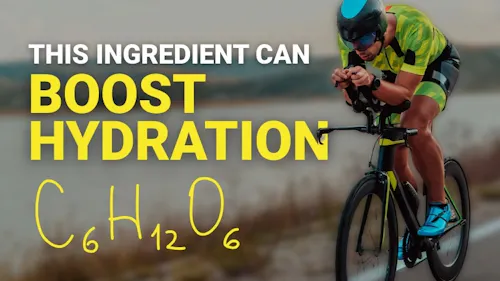
Most people assume hydration drinks work because of electrolytes. While sodium, potassium, and magnesium are important, they’re not the whole story. In fact, the speed at which electrolyte drinks hydrate you depends heavily on carbohydrate concentration and how it affects fluid absorption in the gut.
A small amount of carbohydrate, at the right concentration, can significantly increase how quickly fluids move from your digestive system into your bloodstream. This principle is so reliable that it’s used in medical oral rehydration therapy in hospitals.
But hydration formulas vary widely. For many reasons, some electrolyte drinks contain no carbohydrate at all, others contain too much, and some use specialized carbohydrate sources designed specifically for endurance athletes.
Understanding these differences can help you choose the right hydration strategy for your training environment, intensity, and goals.
New to electrolytes and want to learn the basics first? Check out our blog: Electrolyte Supplements Explained: Benefits, Science & How to Choose the Right Formula
Browse while you read by exploring our Electrolyte Supplement Collection
Why Water Alone Doesn’t Always Hydrate Well During Exercise
Lets start with water on its own. Water is essential for life, but during exercise it isn’t always the most efficient way to rehydrate.
When you sweat, you lose both:
- Water
- Electrolytes (especially sodium)
If you sweat lots and replace only water, two things can happen:
- Blood sodium levels become diluted.
- The body may increase urine production, reducing fluid retention.
This is why athletes drinking only water during long sessions often find themselves:
- Needing to drink large volumes
- Urinating frequently
- Still feeling thirsty
That’s where electrolytes come in. Electrolytes help retain the fluid you drink, while small amounts of carbohydrate can accelerate absorption.
Note that there is a key difference between fluid retention and fluid absorption, more on this later in the blog.
Together, electrolytes and carbohydrates combined create a much more efficient hydration system than water alone. This is one reason properly formulated electrolyte drinks can hydrate faster than water during exercise, particularly when they contain the right balance of sodium and carbohydrate.
Why Electrolytes Alone Still Help Hydration
Before we talk about carbohydrates, it’s important to clarify something:
Zero-carb electrolytes can still improve hydration. Electrolytes, especially sodium, help your body retain water. When sodium levels increase in the bloodstream, the body tends to hold onto fluid rather than excreting it quickly through urine.
This helps maintain:
- Blood plasma volume – a decrease in blood plasma volume causes your blood to be thicker and harder to pump around the body, resulting in an increase in heart rate and perceived effort.
- Fluid balance – when fluid balance drops, you feel thirstier, more fatigued, and your endurance and power output can decline as dehydration begins to affect performance.
- Thermoregulation during exercise – poor hydration makes it harder for your body to dissipate heat, causing you to overheat faster, feel drained earlier, and struggle to maintain pace or intensity.
- Muscle and nerve function – inadequate electrolyte levels can disrupt nerve signalling and muscle contractions, increasing the likelihood of cramps, weakness, and reduced coordination during exercise.
This is why electrolyte supplements can still improve hydration even without carbohydrates, they still contribute to deterring the negative effects listed above.
Zero-carb electrolyte formulas can be useful when:
- Water retention is the primary goal
- Exercise intensity is moderate
- You’re training in hot environments
- You want to avoid extra calories
However, while electrolytes help your body retain fluids, they don’t maximize the speed of absorption.
That’s where carbohydrate enters the picture.
The Sodium + Glucose Hydration Mechanism
Inside the lining of your small intestine is a transport protein called SGLT1 (Sodium-Glucose Linked Transporter 1).
Its role is simple: It pulls glucose and sodium into intestinal cells together. When this happens, water follows automatically via osmotic pressure.
Think of it like a hydration conveyor belt:
Glucose + Sodium → Pulled into intestinal cells → Water follows
This mechanism dramatically improves how efficiently fluid moves from your gut into circulation.
Without glucose present:
- Sodium absorption slows
- Water absorption slows
With a small amount of glucose present:
- Sodium transport increases
- Water follows faster
This is the same physiological principle used in hospital oral rehydration solutions to treat dehydration.
The Hydration Sweet Spot: 2–6% Carbohydrate (Hypotonic)
While glucose helps hydration, the concentration matters.
Research consistently shows the optimal range for fluid absorption is roughly 2–6% carbohydrate.
That equals 20–60 grams of carbohydrate per litre of fluid.
| Carbohydrate Level | Carbs per Litre | Effect |
| 0% | 0g | Hydration can improve from electrolytes |
| 2-6% | 20-60g | Fastest fluid absorption |
| 8-10%+ | 80g+ | Slower digestion and risk of GI distress |
Within the 2–6% range, drinks remain light enough to move quickly through the stomach while still activating the glucose-sodium transport system.
This combination allows rapid delivery of fluid into circulation.
This is why mixing your electrolyte powder with the recommended amount of water matters. It creates the correct carbohydrate concentration for efficient hydration. Many sports hydration drinks are designed within this carbohydrate range, allowing them to hydrate faster than plain water while still supporting performance during exercise.

When Carbohydrate Levels Get Too High
Some hydration formulas sports drinks contain 8–12% carbohydrate solutions. These are generally intended to be used when carbohydrate intake is the priority, such as doing long-duration high intensity exercise in cool temperatures where carbs are being used, but sweat rates are relatively low.
However, when a formula reaches an 8–12% carbohydrate solution, digestion slows.
High-carbohydrate drinks can:
- Slow gastric emptying
- Increase GI discomfort
- Cause bloating or stomach sloshing
- Delay fluid absorption
Instead of hydrating efficiently, the body has to process the carbohydrate load first. But this doesn’t mean higher-carb drinks are bad, they simply serve a different purpose: energy delivery.
Worth noting is that in very concentrated drinks, the high carbohydrate content can pull water into the small intestine so the body can dilute the mixture before absorbing it. During exercise, this can temporarily slow how much fluid reaches your bloodstream, which may temporarily worsen or delay rehydration. If you use a hydration supplement and often struggle with GI distress and dehydration, check to make sure you’re using the correct powder to water ratio, or try a different powder with slightly less carbohydrates.
How Cluster Dextrin Changes the Equation
Some modern endurance drink mixes use Cluster Dextrin® (Highly Branched Cyclic Dextrin) as their primary carbohydrate source.
Cluster dextrin has a much lower osmolality compared with traditional carbohydrate sources like glucose or maltodextrin. This allows drinks to deliver high amounts of carbohydrate while still emptying from the stomach relatively quickly.
For endurance athletes, this can provide several advantages:
- Faster gastric emptying compared with many traditional high-carb drinks
- Reduced risk of GI discomfort during long sessions or races
- More stable energy delivery without large blood sugar spikes
- The ability to consume higher carbohydrate amounts through fluids
This is why some premium race-focused formulas can deliver 60–90g+ of carbohydrates per serving while still remaining tolerable for many athletes.
These formulas are often used in:
- Endurance cycling
- Marathon running
- Triathlon
- Ultra-distance events
However, even with improved carbohydrate sources, very high-carbohydrate drinks are still designed primarily for fueling rather than hydration.
For everyday training or hydration-focused use, lower carbohydrate electrolyte formulas typically provide faster fluid absorption and better hydration efficiency.
What Is an Isotonic Drink?
Hydration drinks are often categorized based on tonicity, which describes the concentration of dissolved particles relative to blood.
| Type | Description | Carb Level | Primary Use |
| Hypotonic | Lower concentration than blood | 0-6% | Fast hydration |
| Isotonic | Similar concentration to blood | ~6-8% | Hydration + energy |
| Hypertonic | Higher concentration than blood | 8%+ | Energy delivery |
You may also hear the term osmolarity, which refers to the total number of dissolved particles in a solution. In practice, both tonicity and osmolarity influence how quickly fluids move across intestinal membranes.
Isotonic drinks sit in the middle of the hydration spectrum. They provide meaningful carbohydrate energy while still delivering fluids relatively efficiently.
They are particularly useful when:
- Exercise lasts longer than 90 minutes
- Carbohydrate intake becomes important
- Training occurs in cooler environments
- Athletes need steady fuel delivery
In cooler conditions, sweat loss is often lower, so the priority can shift slightly toward energy supply rather than maximum hydration speed.
How Food and Energy Gels Affect the Tonicity of Your Sports Drink
One factor often overlooked in hydration planning is what else you consume during exercise. Even if your sports drink is perfectly formulated, adding gels, chews, or solid food changes the concentration of carbohydrates in your stomach. Your digestive system sees one combined mixture, not separate sources of fuel and fluid.
For example:
| Intake Example | Result |
| 3-4% carb drink | Fast hydration |
| Isotonic drink | Balanced hydration + energy |
| Isotonic drink + gel | Higher carbohydrate concerntation |
| Isotonic drink + multiple gels | Potentially hypertonic mixture, GI distress |
*Assuming all consumed within a 45-90 min timeframe.
Once that mixture becomes too concentrated, gastric emptying slows and hydration efficiency drops.
Why Gels Recommend Water
Most energy gels suggest: “Consume with water.”
This is because gels are extremely concentrated carbohydrate sources, often 20–30g of carbohydrate in a small packet. Drinking water helps dilute the mixture in your stomach, bringing it closer to an isotonic range that your body can process comfortably. Some gels are formulated to be isotonic and don't require additional water aside from what you would regularly consume.
Without enough water, athletes may experience:
- Stomach discomfort
- Slower digestion
- Reduced fluid absorption
Why Sweat Rate Changes Hydration Needs
Hydration needs vary widely between athletes.
Sweat rates can range from less than 0.5L to over 1.5L per hour, depending on:
- Body size
- Exercise intensity
- Temperature and humidity
- Individual physiology
Some athletes also lose significantly more sodium in sweat.
These individuals often benefit from:
- Higher electrolyte intake
- More structured hydration planning
- Drinking regularly rather than relying on thirst
Understanding your sweat rate helps determine whether you need:
- Basic electrolyte hydration
- Higher sodium formulas
- Additional carbohydrate fueling
The Hydration Spectrum
Hydration and fueling exist on a spectrum.

Choosing the right option depends on exercise duration, temperature, and fueling needs.
The Main Takeaway
Hydration isn’t just about drinking water or adding electrolytes. The real key lies in how fluids move through your digestive system.
Key Points
- Hydration isn’t just about electrolytes. The concentration of carbohydrates in a drink significantly affects how quickly fluids are absorbed.
- Electrolytes help retain fluid, supporting blood plasma volume, thermoregulation, and muscle function during exercise.
- Small amounts of carbohydrate (2–6%) accelerate hydration by activating the sodium–glucose transport system (SGLT1) in the intestine.
- Too much carbohydrate (8–12%+) can slow hydration, increasing the risk of stomach discomfort and delayed fluid absorption.
- High-carbohydrate drinks are primarily designed for fueling, not maximum hydration speed.
- Cluster Dextrin® allows higher carbohydrate intake with less GI distress, making it useful for endurance athletes needing large amounts of fuel.
- Hydration strategy should match your training conditions, including exercise duration, sweat rate, temperature, and fueling needs.
Understanding how electrolytes, carbohydrate concentration, and drink formulation interact can help you choose the right hydration strategy for both performance and comfort during training and racing.
Need guidance on what electrolyte formula is right for you? Check out our guide: Electrolyte Supplements Explained: Benefits, Science & How to Choose the Right Formula
Ready to Optimize Your Hydration?
If you want hydration formulas designed around proper electrolyte balance and optimal carbohydrate concentration, explore our Electrolyte Collection to find performance hydration solutions built for real training conditions.
Unsure where to start? Check out our blog Top 9 Best Electrolyte Supplements in 2026 for Hydration, Sport & Daily Health