Everything You Need To Know About Energy Gels & Bars
Written by Steph Hofer, 24 May 2019
The right endurance supplement can be the secret weapon you need to run those extra miles or finally hit that PB you’ve been aiming for.
Energy gels and Energy bars are especially effective for endurance activities like marathons, triathlons or hiking. Being that they’re convenient sources of energy that can easily be taken on the go. Although energy gels and bars appear similar on the surface, they’re both very different in their chemical makeup and the benefits they provide.
In this article, we look at the science behind both of these energy boosting supplements and how they help give you more endurance. Here’s everything you need to know about energy gels and bars:
What Are Energy Gels?
Energy gels bridge the gap between food and liquid endurance supplements. These products have also become increasingly popular with athletes due to the fact they supply you with a convenient source of energy. When it comes to their chemical makeup, standard energy gel supplements contain simple carbohydrates along with added electrolytes and caffeine.
How Do Energy Gels Work?
From the moment an energy gel enters your mouth, your body starts breaking it down. This is thanks to the enzyme “salivary amylase,” which initiates the breakdown of starch into sugars. From here the gel travels down into your digestive system.
Once in your digestive tract, the carbohydrate content of the gel is broken down into simple sugars (glucose) which can then be absorbed into your bloodstream. As your sugar levels rise, your body automatically releases the hormone insulin. This allows your cells to use the sugar in your bloodstream immediately for energy, or to store it as glycogen for use at a later stage. This process happens fairly quickly and you’ll typically feel the effects in as little as 15 minutes. It’s also a good idea to wash your energy gel down with water. This will aid with digestion and help your mouth feel less dry.
What Are Energy Bars?
Like energy gels, energy bars give you a concentrated source of energy designed to fuel your muscles before or during exercise. Their chemical makeup includes complex carbohydrates, as well as small doses of protein and caffeine.
How Do Energy Bars Work?
Energy bars follow the same absorption process as energy gels. Your body breaks down the carbs of the energy bar, turning them into sugars which can then be used as immediate energy or stored for use later on. The big difference is that energy bars release energy much slower than gels or drinks because they take longer for your body to break down. As a result energy bars are often better to eat before intense exercise rather than during.
Although they don’t process as fast as gels, they’re still a great way to keep your glycogen stores topped up prior to exercise or competition. They also have a long shelf life and are a dense source of carbohydrates.
Which Endurance Supplement Should You Choose?
The energy supplement you choose largely depends on what you’re doing, how long you’re doing it for and how big of a role convenience plays. If you can take breaks during your exercise (activities like hiking or skiing), then energy bars are a great choice, as your body has more time for the absorption process to occur.
Energy gels, on the other hand, are more effective for non-stop events like marathons, cycling, or triathlons. These activities allow little time for breaks, therefore it’s far more beneficial to consume a fast-absorbing energy source that can be taken on the go. In general, it’s fine to use a combination of both bars and gels. Just be sure to drink plenty of water to keep yourself hydrated and help avoid issues like stomach cramps.
For more information about these convenient and powerful endurance products, be sure to check out our range of energy gels and energy bars in the Sportsfuel store today.
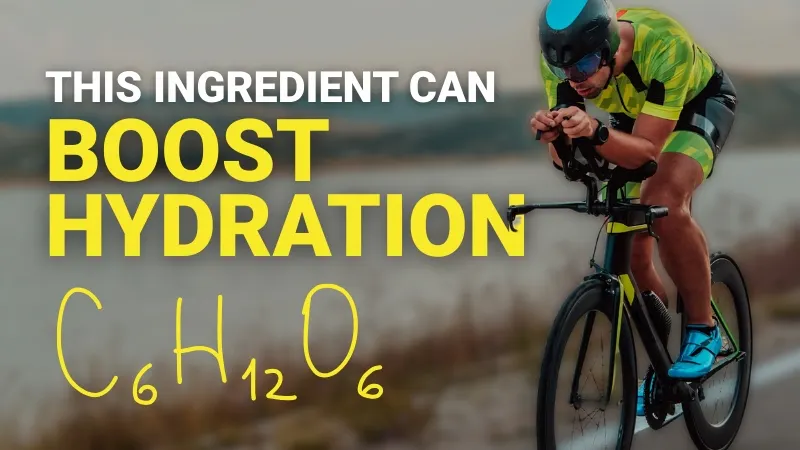
Most people assume hydration drinks work because of electrolytes. While sodium, potassium, and magnesium are important, they’re not the whole story. In fact, the speed at which electrolyte drinks hydrate you depends heavily on carbohydrate concentration and how it affects fluid absorption in the gut.
A small amount of carbohydrate, at the right concentration, can significantly increase how quickly fluids move from your digestive system into your bloodstream. This principle is so reliable that it’s used in medical oral rehydration therapy in hospitals.
But hydration formulas vary widely. For many reasons, some electrolyte drinks contain no carbohydrate at all, others contain too much, and some use specialized carbohydrate sources designed specifically for endurance athletes.
Understanding these differences can help you choose the right hydration strategy for your training environment, intensity, and goals.
New to electrolytes and want to learn the basics first? Check out our blog: Electrolyte Supplements Explained: Benefits, Science & How to Choose the Right Formula
Browse while you read by exploring our Electrolyte Supplement Collection
Why Water Alone Doesn’t Always Hydrate Well During Exercise
Lets start with water on its own. Water is essential for life, but during exercise it isn’t always the most efficient way to rehydrate.
When you sweat, you lose both:
Water
Electrolytes (especially sodium)
If you sweat lots and replace only water, two things can happen:
Blood sodium levels become diluted.
The body may increase urine production, reducing fluid retention.
This is why athletes drinking only water during long sessions often find themselves:
Needing to drink large volumes
Urinating frequently
Still feeling thirsty
That’s where electrolytes come in. Electrolytes help retain the fluid you drink, while small amounts of carbohydrate can accelerate absorption.
Note that there is a key difference between fluid retention and fluid absorption, more on this later in the blog.
Together, electrolytes and carbohydrates combined create a much more efficient hydration system than water alone. This is one reason properly formulated electrolyte drinks can hydrate faster than water during exercise, particularly when they contain the right balance of sodium and carbohydrate.
Why Electrolytes Alone Still Help Hydration
Before we talk about carbohydrates, it’s important to clarify something:
Zero-carb electrolytes can still improve hydration. Electrolytes, especially sodium, help your body retain water. When sodium levels increase in the bloodstream, the body tends to hold onto fluid rather than excreting it quickly through urine.
This helps maintain:
Blood plasma volume – a decrease in blood plasma volume causes your blood to be thicker and harder to pump around the body, resulting in an increase in heart rate and perceived effort.
Fluid balance – when fluid balance drops, you feel thirstier, more fatigued, and your endurance and power output can decline as dehydration begins to affect performance.
Thermoregulation during exercise – poor hydration makes it harder for your body to dissipate heat, causing you to overheat faster, feel drained earlier, and struggle to maintain pace or intensity.
Muscle and nerve function – inadequate electrolyte levels can disrupt nerve signalling and muscle contractions, increasing the likelihood of cramps, weakness, and reduced coordination during exercise.
This is why electrolyte supplements can still improve hydration even without carbohydrates, they still contribute to deterring the negative effects listed above.
Zero-carb electrolyte formulas can be useful when:
Water retention is the primary goal
Exercise intensity is moderate
You’re training in hot environments
You want to avoid extra calories
However, while electrolytes help your body retain fluids, they don’t maximize the speed of absorption.
That’s where carbohydrate enters the picture.
The Sodium + Glucose Hydration Mechanism
Inside the lining of your small intestine is a transport protein called SGLT1 (Sodium-Glucose Linked Transporter 1).
Its role is simple: It pulls glucose and sodium into intestinal cells together. When this happens, water follows automatically via osmotic pressure.
Think of it like a hydration conveyor belt:
Glucose + Sodium → Pulled into intestinal cells → Water follows
This mechanism dramatically improves how efficiently fluid moves from your gut into circulation.
Without glucose present:
Sodium absorption slows
Water absorption slows
With a small amount of glucose present:
Sodium transport increases
Water follows faster
This is the same physiological principle used in hospital oral rehydration solutions to treat dehydration.
The Hydration Sweet Spot: 2–6% Carbohydrate (Hypotonic)
While glucose helps hydration, the concentration matters.
Research consistently shows the optimal range for fluid absorption is roughly 2–6% carbohydrate.
That equals 20–60 grams of carbohydrate per litre of fluid.
Carbohydrate Level
Carbs per Litre
Effect
0%
0g
Hydration can improve from electrolytes
2-6%
20-60g
Fastest fluid absorption
8-10%+
80g+
Slower digestion and risk of GI distress
Within the 2–6% range, drinks remain light enough to move quickly through the stomach while still activating the glucose-sodium transport system.
This combination allows rapid delivery of fluid into circulation.
This is why mixing your electrolyte powder with the recommended amount of water matters. It creates the correct carbohydrate concentration for efficient hydration. Many sports hydration drinks are designed within this carbohydrate range, allowing them to hydrate faster than plain water while still supporting performance during exercise.
When Carbohydrate Levels Get Too High
Some hydration formulas sports drinks contain 8–12% carbohydrate solutions. These are generally intended to be used when carbohydrate intake is the priority, such as doing long-duration high intensity exercise in cool temperatures where carbs are being used, but sweat rates are relatively low.
However, when a formula reaches an 8–12% carbohydrate solution, digestion slows.
High-carbohydrate drinks can:
Slow gastric emptying
Increase GI discomfort
Cause bloating or stomach sloshing
Delay fluid absorption
Instead of hydrating efficiently, the body has to process the carbohydrate load first. But this doesn’t mean higher-carb drinks are bad, they simply serve a different purpose: energy delivery.
Worth noting is that in very concentrated drinks, the high carbohydrate content can pull water into the small intestine so the body can dilute the mixture before absorbing it. During exercise, this can temporarily slow how much fluid reaches your bloodstream, which may temporarily worsen or delay rehydration. If you use a hydration supplement and often struggle with GI distress and dehydration, check to make sure you’re using the correct powder to water ratio, or try a different powder with slightly less carbohydrates.
How Cluster Dextrin Changes the Equation
Some modern endurance drink mixes use Cluster Dextrin® (Highly Branched Cyclic Dextrin) as their primary carbohydrate source.
Cluster dextrin has a much lower osmolality compared with traditional carbohydrate sources like glucose or maltodextrin. This allows drinks to deliver high amounts of carbohydrate while still emptying from the stomach relatively quickly.
For endurance athletes, this can provide several advantages:
Faster gastric emptying compared with many traditional high-carb drinks
Reduced risk of GI discomfort during long sessions or races
More stable energy delivery without large blood sugar spikes
The ability to consume higher carbohydrate amounts through fluids
This is why some premium race-focused formulas can deliver 60–90g+ of carbohydrates per serving while still remaining tolerable for many athletes.
These formulas are often used in:
Endurance cycling
Marathon running
Triathlon
Ultra-distance events
However, even with improved carbohydrate sources, very high-carbohydrate drinks are still designed primarily for fueling rather than hydration.
For everyday training or hydration-focused use, lower carbohydrate electrolyte formulas typically provide faster fluid absorption and better hydration efficiency.
What Is an Isotonic Drink?
Hydration drinks are often categorized based on tonicity, which describes the concentration of dissolved particles relative to blood.
Type
Description
Carb Level
Primary Use
Hypotonic
Lower concentration than blood
0-6%
Fast hydration
Isotonic
Similar concentration to blood
~6-8%
Hydration + energy
Hypertonic
Higher concentration than blood
8%+
Energy delivery
You may also hear the term osmolarity, which refers to the total number of dissolved particles in a solution. In practice, both tonicity and osmolarity influence how quickly fluids move across intestinal membranes.
Isotonic drinks sit in the middle of the hydration spectrum. They provide meaningful carbohydrate energy while still delivering fluids relatively efficiently.
They are particularly useful when:
Exercise lasts longer than 90 minutes
Carbohydrate intake becomes important
Training occurs in cooler environments
Athletes need steady fuel delivery
In cooler conditions, sweat loss is often lower, so the priority can shift slightly toward energy supply rather than maximum hydration speed.
How Food and Energy Gels Affect the Tonicity of Your Sports Drink
One factor often overlooked in hydration planning is what else you consume during exercise. Even if your sports drink is perfectly formulated, adding gels, chews, or solid food changes the concentration of carbohydrates in your stomach. Your digestive system sees one combined mixture, not separate sources of fuel and fluid.
For example:
Intake Example
Result
3-4% carb drink
Fast hydration
Isotonic drink
Balanced hydration + energy
Isotonic drink + gel
Higher carbohydrate concerntation
Isotonic drink + multiple gels
Potentially hypertonic mixture, GI distress
*Assuming all consumed within a 45-90 min timeframe.
Once that mixture becomes too concentrated, gastric emptying slows and hydration efficiency drops.
Why Gels Recommend Water
Most energy gels suggest: “Consume with water.”
This is because gels are extremely concentrated carbohydrate sources, often 20–30g of carbohydrate in a small packet. Drinking water helps dilute the mixture in your stomach, bringing it closer to an isotonic range that your body can process comfortably. Some gels are formulated to be isotonic and don't require additional water aside from what you would regularly consume.
Without enough water, athletes may experience:
Stomach discomfort
Slower digestion
Reduced fluid absorption
Why Sweat Rate Changes Hydration Needs
Hydration needs vary widely between athletes.
Sweat rates can range from less than 0.5L to over 1.5L per hour, depending on:
Body size
Exercise intensity
Temperature and humidity
Individual physiology
Some athletes also lose significantly more sodium in sweat.
These individuals often benefit from:
Higher electrolyte intake
More structured hydration planning
Drinking regularly rather than relying on thirst
Understanding your sweat rate helps determine whether you need:
Basic electrolyte hydration
Higher sodium formulas
Additional carbohydrate fueling
The Hydration Spectrum
Hydration and fueling exist on a spectrum.
Choosing the right option depends on exercise duration, temperature, and fueling needs.
The Main Takeaway
Hydration isn’t just about drinking water or adding electrolytes. The real key lies in how fluids move through your digestive system.
Key Points
Hydration isn’t just about electrolytes. The concentration of carbohydrates in a drink significantly affects how quickly fluids are absorbed.
Electrolytes help retain fluid, supporting blood plasma volume, thermoregulation, and muscle function during exercise.
Small amounts of carbohydrate (2–6%) accelerate hydration by activating the sodium–glucose transport system (SGLT1) in the intestine.
Too much carbohydrate (8–12%+) can slow hydration, increasing the risk of stomach discomfort and delayed fluid absorption.
High-carbohydrate drinks are primarily designed for fueling, not maximum hydration speed.
Cluster Dextrin® allows higher carbohydrate intake with less GI distress, making it useful for endurance athletes needing large amounts of fuel.
Hydration strategy should match your training conditions, including exercise duration, sweat rate, temperature, and fueling needs.
Understanding how electrolytes, carbohydrate concentration, and drink formulation interact can help you choose the right hydration strategy for both performance and comfort during training and racing.
Need guidance on what electrolyte formula is right for you? Check out our guide: Electrolyte Supplements Explained: Benefits, Science & How to Choose the Right Formula
Ready to Optimize Your Hydration?
If you want hydration formulas designed around proper electrolyte balance and optimal carbohydrate concentration, explore our Electrolyte Collection to find performance hydration solutions built for real training conditions.
Unsure where to start? Check out our blog Top 9 Best Electrolyte Supplements in 2026 for Hydration, Sport & Daily Health
If you’ve ever felt drained halfway through a workout, battled headaches after a long run, or struggled with muscle cramps at night, electrolytes might be the missing piece in your nutrition plan.
Electrolyte supplements have exploded in popularity, from endurance athletes and gym-goers to office workers trying to stay hydrated. But what actually are electrolytes? Do you really need a supplement? And with so many options on the market, how do you choose the right one without getting swept up in the hype?
In this guide, we’ll break down the science in practical terms, explain when supplementation makes sense, and help you choose the right formula for your training. If you're ready to optimise hydration and performance, explore our curated Electrolyte Supplement Collection featuring high-quality hydration formulas designed for real-world performance.
What Are Electrolytes? (And Why They Matter More Than You Think)
Electrolytes are charged minerals that regulate:
Muscle contractions
Nerve signalling
Fluid balance
Blood pressure
Heart rhythm
The key electrolytes include:
When you sweat, you primarily lose sodium and chloride, with smaller losses of potassium and magnesium. If you replace fluid without replacing sodium, plasma sodium concentration can drop, which can lower performance and increase fatigue.
Hydration is not just about water. It’s about maintaining electrolyte balance.
Why Electrolyte Supplements Are So Popular in 2026
Modern training has changed
Higher participation in endurance and hybrid events
Growth in high-intensity functional training
Increased sauna use
Rise in ketogenic and low-carb dieting
More people training in fasted states
These factors all increase electrolyte demand.
For people training 4-6 times per week, hydration strategy directly influences output, recovery, and adaptation. Electrolytes are also important for those who work in hot and humid conditions daily.
The Marketing FactorIt’s also fair to recognise that marketing has contributed to the rise in electrolyte products. Hydration is now more visible in mainstream health conversations, and that’s not entirely a bad thing. Greater awareness has helped people think more intentionally about fluid intake, daily mineral balance, and overall wellbeing.
That said, electrolyte needs are highly individual.
Light activity may not require high-dose formulas
Intense training, heat exposure, or low-carb diets often justify them
Everyday wellness support can benefit from lower-dose blends
The key isn’t whether electrolytes are “necessary” for everyone, it’s matching the right formula to the right lifestyle.
Electrolyte Supplements Explained: What Actually Matters?
Not all hydration products are equal. Many are underdosed. Others are simply high-sugar drinks with minimal sodium.
Here’s what to look for.
1. Sodium Is King
Sodium is the primary electrolyte lost in sweat.
Moderate training: 300–600mg per session
Heavy sweating/endurance: 700–1000mg per hour
Electrolyte supplements with 100–150mg of sodium per serve are unlikely to significantly impact performance in serious training contexts, but can be useful for general health support by encouraging fluid intake.
What About Potassium?
Potassium supports muscle contractions and cellular fluid balance, but sweat losses are relatively small and blood levels are tightly regulated.
Including 100–300mg can help maintain balance, but high doses aren’t necessary for typical training sessions.
And Magnesium?
Magnesium supports ATP (energy) production and muscle relaxation, but depletion is usually long term, not within a single session.
You don’t lose large amounts of magnesium in a single workout, and higher intra-workout doses can cause GI discomfort. It’s generally more effective as a daily recovery mineral rather than a session-critical ingredient.
2. A Small Amount of Carbohydrate Improves Fluid Uptake
This is one of the most misunderstood areas in sports hydration.A small amount of carbohydrate, more specifically a 2–6% solution (20–60g per litre), can significantly improve fluid absorption in the small intestine.
Here’s why:In the intestinal lining, there’s a transport protein called SGLT1 (Sodium-Glucose Linked Transporter 1). This transporter:
Pulls glucose and sodium into intestinal cells together
Water then follows via osmotic gradient
In simple terms: Glucose + Sodium = Faster water absorption
Without glucose present, sodium absorption is slower. With a small carbohydrate presence, fluid delivery into circulation improves noticeably. This is the same physiological principle behind medical oral rehydration therapy used in hospitals. However, more carbohydrates does not equal better.
If carbohydrate concentration exceeds ~8–10% (80g per litre), gastric emptying slows, which can:
Increase GI distress
Reduce fluid delivery speed
Cause bloating
That’s why smart performance formulas include just enough carbohydrate to enhance absorption, and not overwhelm digestion.
Learn more about the role of carbohydrates for hydration in our blog: The Overlooked Ingredient in Electrolyte Drinks That Changes How Fast You Hydrate
3. When to Choose Carbs vs Zero-Sugar
Choose electrolytes with carbohydrates if:
Performing endurance events
Training at high intensity
Needing intra-workout fuel
Training longer than 60–90 minutes
Choose zero-sugar electrolytes if:
You're a heavy sweater that wants higher electrolyte intake without over-doing carbohydrate intake
Following low-carb or keto
Training at low intensity for under 60 minutes
Using electrolytes primarily for general fluid replacement, not sport performance
At Sportsfuel, our Electrolyte Supplement Collection includes both carbohydrate-enhanced performance blends and clean zero-sugar options, allowing you to match hydration to your lifestyle and training demands.
Signs You May Need Electrolyte Support
You may benefit from electrolyte supplementation if you experience:
Frequent muscle cramps
Headaches post-training
Dizziness in hot conditions
Noticeable salt residue on clothing
Decline in alertness and performance during longer sessions
A common mistake is assuming magnesium alone fixes cramps. During active sweat loss, sodium depletion is often the primary issue.
Electrolytes for Different Training Goals
Endurance Athletes
Prioritise:
Higher sodium (500–1000mg per hour)
20–60g carbohydrates per hour
Easy-mix powders or sachets
Strength & Hypertrophy
Focus on:
300–600mg sodium
Moderate magnesium
Optional low-dose carbohydrates for longer sessions
Low-Carb / Keto Athletes
Due to increased renal sodium excretion:
Daily sodium support is often beneficial
Zero-sugar electrolyte blends work well
Magnesium can support neuromuscular recovery
Pairing electrolytes with adequate protein intake can further support recovery and performance adaptation.
We break down the best electrolytes for different goals in our blog: Top 9 Best Electrolyte Supplements in 2026 for Hydration, Sport & Daily Health
When Should You Take Electrolytes?
Pre-workout:If fasted or training in heat, 20–30 minutes before. For long endurance events, taking electrolytes the day before can help pre-event hydration.
Intra-workout:For sessions longer than 60 minutes, or high-intensity training with heavy sweat loss, consume regularly throughout the session.
Aim to spread intake evenly to reach:
300–1000mg sodium per hour (based on sweat rate)
20–60g carbohydrate per hour for endurance work
Rather than waiting 45–60 minutes and drinking a large amount, take small mouthfuls every 5–15 minutes.
This helps maintain plasma volume, supports normal neuromuscular function, and improves gastrointestinal comfort, all of which contribute to more effective hydration during prolonged exercise. Hydration works best when it’s steady and proactive, not reactive and rushed.
Post-workout:Use electrolytes if sweat loss was heavy or you experience post-session fatigue.
Choosing the Right Electrolyte Supplement at Sportsfuel
Inside our Electrolyte Supplement Collection, you’ll find hydration solutions tailored to:
Endurance performance
Strength training
Low-carb lifestyles
Everyday hydration
Are Electrolytes Found in Food?
Yes, electrolytes are naturally present in many whole foods.
For example:
Sodium: salt, processed meats, many sauces,
Potassium: bananas, potatoes, yoghurt, leafy greens
Magnesium: nuts, seeds, dark chocolate, legumes
Calcium: dairy products, fortified alternatives
During heavy training, high sweat loss, or heat exposure, replacing adequate sodium and fluids through food alone can be impractical. This is where electrolyte supplements offer advantages:
Precise sodium dosing
Faster fluid delivery
Convenient use during training
Easy adjustment based on sweat rate
Whole foods build the foundation. Targeted electrolyte supplements help close the gap when performance demands increase
Key Takeaways
Electrolytes regulate hydration, muscle function, and performance.
Sodium is the most critical electrolyte during sweat loss.
Small amounts of carbohydrate enhance fluid absorption via sodium-glucose transport.
Too much carbohydrate slows absorption. Balance matters.
Your ideal formula depends on training duration, intensity, and diet.
Hydration isn’t just about drinking water. It’s about replacing what you lose, intelligently.
Ready to Hydrate Smarter?
If you want to train harder, reduce fatigue, and support recovery with science-backed hydration, explore our curated range of performance-focused formulas.
Find your ideal hydration solution in our Electrolyte Supplement Collection at Sportsfuel and optimise your performance from the inside out.
FAQ: Electrolyte Supplements Explained
1. Do electrolytes with carbs hydrate better than zero-sugar versions?
In longer or high-intensity sessions, yes. Small amounts of carbohydrate enhance sodium and water absorption via intestinal transport mechanisms.
2. Can I take electrolytes every day?
Yes, especially if you sweat heavily, train frequently, or follow a low-carb diet.
3. Are sports drinks the same as electrolyte supplements?
Not necessarily. Many commercial sports drinks are under-dosed in sodium and overly high in sugar. Read the label to look for sodium
4. How much sodium do athletes actually need?
Most active individuals benefit from 500–1500mg additional sodium during heavy training sessions, depending on sweat rate.
5. Is too much carbohydrate bad for hydration?
High concentrations (above ~8–10%) can slow gastric emptying and reduce fluid absorption efficiency. Balance is key.
12 WAYS TO COMBAT STRESS, SLEEP BETTER & FEEL AMAZING EVERYDAY
Stress affects us all. Some days it's worse than others, and over time, it takes its toll on how we look, feel and perform.
Over 90% of adults say they experience stress or anxiety daily, and 74% say it's so great they feel unable to cope1. Add to this physical stress of training, injury, infection, or environmental toxins. Even certain foods can create stress on our bodily systems.
Some acute stress is helpful. However, chronic stress can be very harmful - even deadly!!
Here are ten things stress can cause and 12 ways to effectively combat stress:
Reduced Thyroid Function
Weight Gain
Muscle Loss
Gut Issues
Lowered Sex Drive
Skin Breakouts
Hair Loss
Low Energy
Irritability & Loss of Empathy
Sleep Disturbances
How do we fix this?
1) EXERCISE:
Exercise is more effective in reducing stress, anxiety, and depression than the top 5 antidepressant medications 2.
It might sound counterintuitive, but regular acute physical stress can significantly combat chronic mental stress. People who exercise regularly are less likely to experience anxiety and depression3.
Exercise releases endorphins and gives you confidence which may help reduce your stress. During or immediately after training, be sure to use essential amino acids like AMINO SWITCH™ to accelerate recovery. AMINO SWITCH™ also contains the adaptogen Schisandra, which has been shown to increase energy and reduce stress.
2) LAUGH:
You've probably heard the term 'LAUGHTER IS THE BEST MEDICINE. Well, when it comes to stress, that is entirely true.
When you have fun and laugh, it's hard to feel stressed. Laughing has a natural lowering effect on cortisol (stress hormones) and increases serotonin (happy hormone). It also activates the Vagus nerve, which helps transport the serotonin from your gut to your brain.
One study showed laughing could help healing by activating the immune system, which could further reduce the effects of physical and emotional stress4. When we are stressed, it lowers our immunity which can result in increased inflammation and reduced recovery.
Try watching comedies or hanging out with people who make you laugh and enjoy life. Once you start, it can become infectious. 😊
3) SING:
Like laughter, singing also boosts serotonin and activates the Vagus nerve. This has a relaxing effect and has been shown to reduce tension, stress, and anxiety.
In one study, the music you enjoyed, because it brought back happy nostalgic memories, was the most effective at reducing stress markers.
So next time you're in the car on your way to or from work, belt out a tune you love at the top of your voice and watch your stress levels drop.
4) SPEND TIME WITH FRIENDS:
People who live the longest, healthiest lives have two things in common: Purpose and community. Supporting friends and hanging out with friends and family can be stress-reducing.
One study showed men and women with the least social connections had the most significant levels of anxiety and depression.
However, pick your friends carefully and hang around people who support your goals and are genuinely fun to be around.
5) SUPPLEMENT:
Many natural ingredients can reduce stress. Here is a list of the top 7 and the supplements you can find them in -
· Magnesium – ADRENAL SWITCH™ & ALPHA SWITCH™
This super important mineral is involved in over 600 bodily processes per day. It is critical for energy metabolism, nervous system relaxation, muscle recovery, energy, and so much more.
Nearly 75% of the population is not getting enough magnesium for their daily needs. Simply supplementing with magnesium citrate after exercise or before bed will profoundly benefit your recovery and lower your cortisol (stress).
· Ashwagandha – ADRENAL SWITCH™ & ALPHA SWITCH™
Known as the king of herbs. This Ayurvedic medicinal root has been used for centuries to help combat fatigue, reduce stress, and support energy. It is an adaptogen class of compounds that aid our mind and body adapt to stress.
Ashwagandha contains a natural compound called Withanolides that have been shown to lower cortisol (stress) and support natural hormone balance.
· Schisandra – AMINO SWITCH™ & ESTRO SWITCH™
This traditional Chinese medicinal berry supports qi (energy & life force). It elicits some of its benefits through liver detoxification. It is also an effective adaptogen (like ashwagandha) and improves how your body responds to caffeine by reducing jitters, improving energy levels and preventing an energy crash.
Schisandra needs to provide high levels of Schisandrin A like that found in AMINO SWITCH™ & ESTRO SWITCH™.
· Alpina galanga – COFFEE SWITCH™, THERMAL SWITCH™ & POWER SWITCH™
This unique alpine grown galangal extract has been shown to improve your tolerance to stress. It was voted 2019 innovative ingredient of the year and outperforms caffeine in focus and alertness scores without activating the central nervous system (without producing adrenaline or cortisol).
Alpina galanga will often be found in combination with caffeine or coffee, as it has been shown to amplify your body's response to caffeine by 30 – 50% and make it feel cleaner & longer lasting.
Alpina may also reduce adenosine in the brain. Therefore, preventing mental fatigue, tiredness and procrastination. It also boosts D2 dopamine receptor sensitivity, which helps combat stress by boosting mood.
The feeling of Alpina and Caffeine together is one of happiness, alertness and profound focus.
· Glycine – ADRENAL SWITCH™ & COLLAGEN SWITCH™
This non-essential amino acid has many benefits, including its tonifying effect on the nervous system. Glycine also helps support connective tissue recovery, immune response, and energy by supporting endogenous (internal) creatine production.
Like GABA, it has a calming effect if used after exercise or before bed. However, Glycine can be consumed before training, where it can help improve energy.
· L-Theanine – ADRENAL SWITCH™
L-Theanine is another non-essential amino acid with the ability to calm your body and brain. L-Theanine is found in green tea and has been shown to take the edge off caffeine (reduce jitters or anxiety) while promoting focus and elevating mood.
· Medicinal Mushrooms – VITALITY SWITCH™ & COFFEE SWITCH™
Medicinal mushrooms have been used in traditional Chinese medicine and Ayurvedic medicine systems for centuries. They are adaptogens that help support your body's response to stress. They're also great at lowering inflammation which could be causing chronic physical stress. Medicinal mushrooms like Shitake, Maitake, Turkey Tail, King Trumpet and Cordyceps support energy and immunity while fighting pathogens like viruses, bacteria, fungus etc.
6) GET YOUR MACROS & MICROS RIGHT:
Undereating or eating calorie-dense but micronutrient depleted food can profoundly affect your mental health, stress, and body fat levels.
Keep in mind 'FOOD CAN CHANGE YOUR MOOD'. Eating food that spikes and then drops your blood sugar levels can leave you exhausted, tired, grumpy, and hungry.
Being in a chronic calorie deficit can increase cortisol (stress hormone), slow fat loss, increase muscle loss, and increase inflammation and stress. Make your diet cyclical and have higher calorie days mixed in with your calorie deficit. Using KETO SWITCH™ between meals or during fasting on your calorie deficit days can reduce muscle loss, support brain function, and reduce hunger.
7) MEDITATION & MINDFULNESS:
We all know meditation and mindfulness are helpful ways of reducing stress. However, some people have difficulty clearing their minds when attempting meditation. Apps like 'Head Space' and others can teach you or guide you through meditation, which can be life-changing.
8) CUDDLE:
Cuddling, hugging, kissing, and sex can relieve stress by promoting the release of oxytocin and serotonin. These practices have been shown to lower blood pressure, heart rate and other emotional and physical symptoms of stress.
Chimpanzees also cuddle friends and family who are stressed, and it has the same hormonal response in our closest primate relatives.
9) YOGA & STRETCHING
Yoga is an ancient Ayurvedic practice that has been shown to lower stress and anxiety for centuries. Studies looking at Yoga's overall effects have shown it to boost mood and lower stress. It may be as effective at treating depression as some medications.
10) BREATHE:
Slowing your breathing helps to activate the parasympathetic (rest, digest, relax & recover) nervous system. It is the opposite of the fight or flight sympathetic nervous system, which is activated by shallow quick breaths.
If you get into anxiety or panic, try 'Box Breathing'.
· Breathe in through your nose for 4 seconds.
· Hold your breath for 4 seconds.
· Exhale through your mouth for 4 seconds.
· Hold the exhale for 4 seconds.
· Repeat 4 times.
11) GET A PET:
Pets are like cuddling. They help us release oxytocin and serotonin. However, sometimes pets are even better because they generally provide unconditional love in return, and the relationships are not as complicated as human ones.
Having a pet may also keep you active as you must exercise them daily, which is stress-relieving.
12) GET OUT IN NATURE:
Being in nature, surrounded by trees, mountains, lakes, streams or even on the beach, listening to the crashing waves is therapeutic and stress relieving. Part of the stress-relieving effect is due to our connection to the planet, and part of it is the disconnection from emails, social media and more which can increase stress.
Another part is the sunlight on our skin boosts Vitamin D, endorphins and oxytocin, which have immune-boosting, hormone-regulating and stress relieving benefits. Disconnect at least once a week and exercise in nature (not just in the gym or around the block). Breathe in the fresh air and take in the calming effects being away from the city provides.
SUMMARY:
There are so many stressors in our lives and multiple ways to help manage or destress. You need to consider what is stressing you the most and make efforts to remove these stressors from your life.
If you practice all the above techniques but continue to expose yourself to a stressful job or relationship, it is like trying to put out a forest fire with a garden hose. It will help but may not prevent all the adverse effects of stress.
Switch Nutrition aim to help people live healthier, more active lifestyles providing your body with all it needs to get the most out of each day with their wide range of products. Check out their range of products here.
One of the most apparent symptoms of stress is a lack of energy or enthusiasm. Getting a good night's sleep by having ADRENAL SWITCH™ before bed will be the number one place to start.
And when you wake up, try replacing your daily brew with COFFEE SWITCH™ for longer-lasting healthier energy!!
Disclaimer: The above article is merely a guide and is in no way a recommendation or a treatment protocol for any health conditions or diseases. You should always consult with a qualified healthcare provider before changing your supplement, training, or nutritional strategy. Formulated Supplementary Sports Foods must not be used by pregnant or breastfeeding women, anyone consuming prescription medication or children under the age of 15 unless advised by a qualified healthcare provider.
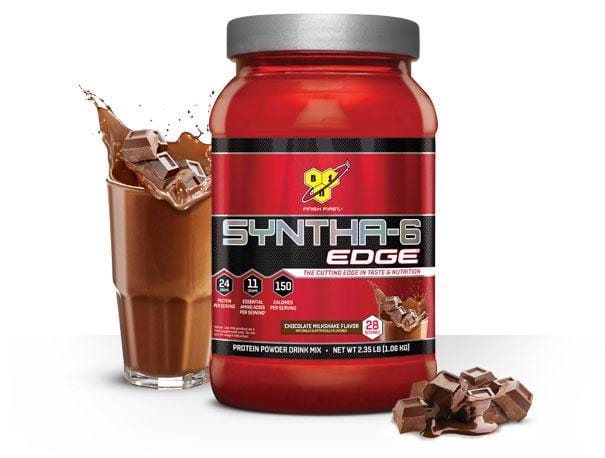
BSN Syntha-6 Edge is BSN’s leaner version of Syntha-6 for those athletes and bodybuilders who are looking for the same great taste but with leaner macros. With a lower carbohydrate and fat content, and less calories, it’s amazing that it still tastes just as good!